
Published: 2026-10-26 | Last Updated: 2026-10-26
Mounting style gets treated as a detail to finalize after the core cylinder specification is locked — bore size, stroke length, pressure rating. That sequencing is backwards for a meaningful share of designs, because mounting style actually constrains how the cylinder experiences load, and getting it wrong after the rest of the design is set is expensive to fix.
What Each Mounting Style Actually Does Mechanically
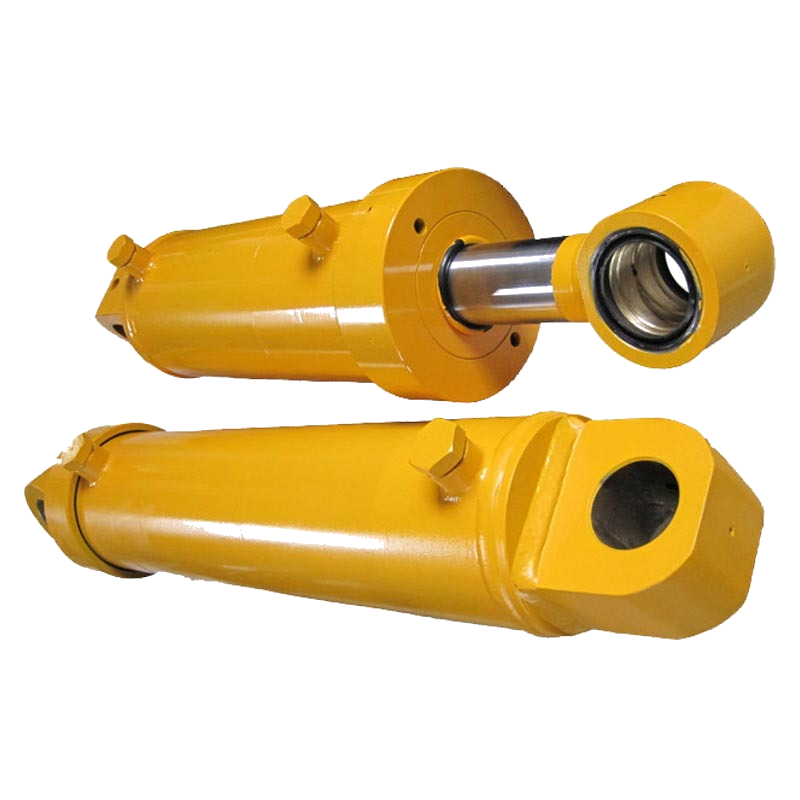
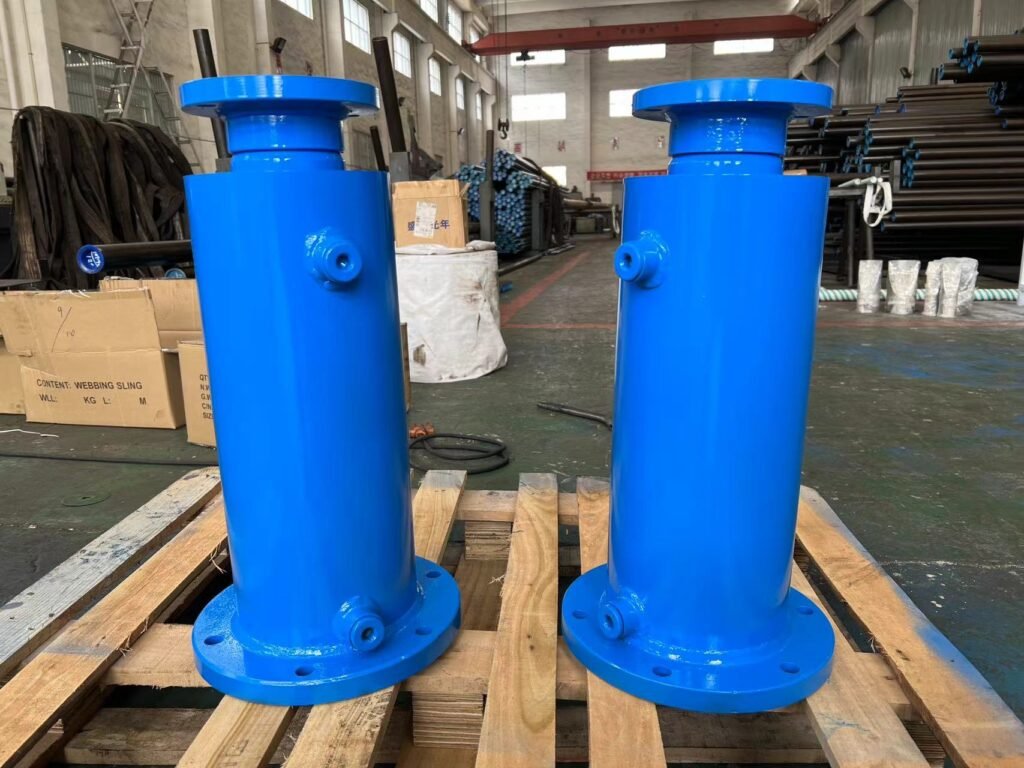
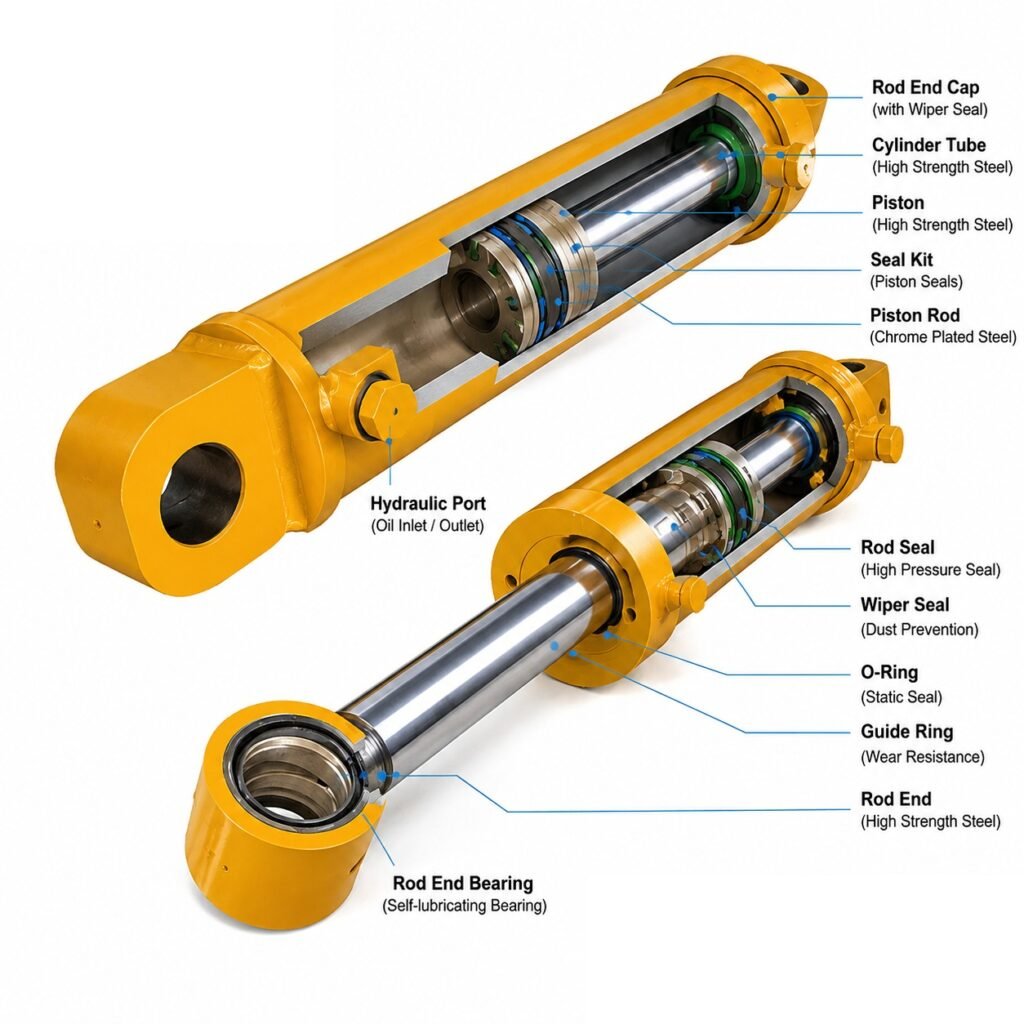
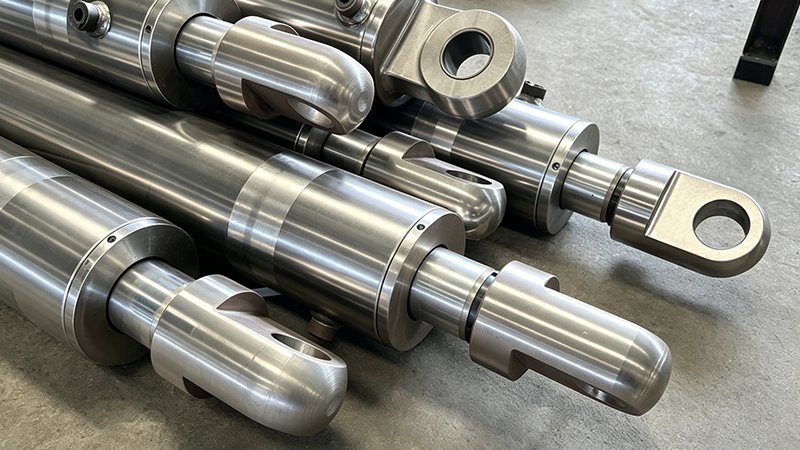
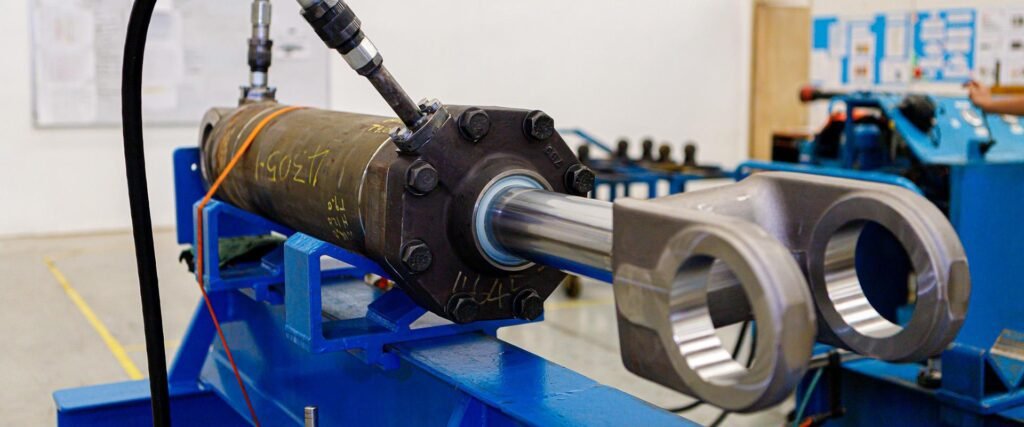
A clevis mount pins the cylinder at both ends, allowing it to pivot and self-align as the load geometry changes through the stroke — appropriate when the cylinder’s mounting points aren’t perfectly aligned with the load path throughout the full range of motion. A trunnion mount pivots around a point partway along the cylinder body rather than at the ends, distributing load differently and often suiting applications where the cylinder needs to swing through an arc. A flange mount is rigid, fixed, with no pivoting capability at all — appropriate specifically when the load path stays consistently aligned with the cylinder’s axis throughout the stroke.

Matching Mounting Style to Actual Load Geometry
| Load Characteristic | Suited Mounting Style |
|---|---|
| Load path changes angle through the stroke | Clevis — allows self-alignment |
| Cylinder needs to swing through an arc as part of its motion | Trunnion |
| Load path stays fixed and aligned with cylinder axis | Flange — rigid mount, no pivoting needed |
| High side-load risk if misaligned | Clevis or trunnion — avoid rigid mount with misalignment risk |
Choosing a rigid flange mount for an application where the load path actually changes angle through the stroke introduces exactly the kind of side-loading that drives premature rod and seal wear — the mounting style decision isn’t cosmetic, it directly determines whether the cylinder experiences clean axial loading or problematic side loading in service.
Why This Decision Should Happen Before, Not After, Rod Specification
A cylinder subject to meaningful side-loading because of a mismatched mounting style needs a more robust rod and bore specification to handle that additional stress than one experiencing clean axial loading would require. Deciding mounting style after the rod specification is already finalized risks either under-specifying a rod that now needs to handle unanticipated side-load stress, or discovering the mismatch only after a field failure reveals it — sequencing this decision earlier avoids both outcomes.
The Self-Alignment Trade-Off Nobody Mentions
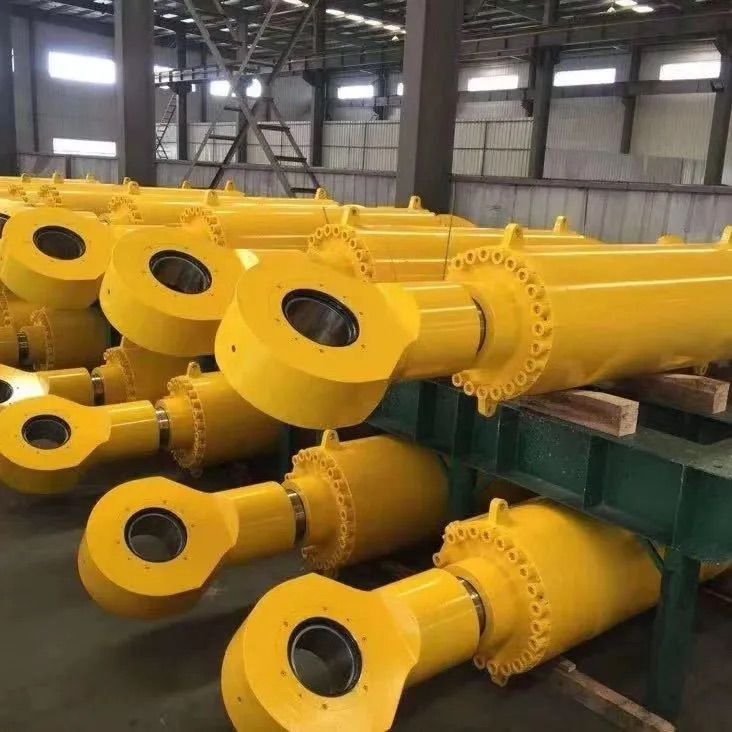
A clevis or trunnion mount’s self-aligning capability is a genuine benefit for accommodating imperfect alignment, but it also means the cylinder has more mechanical freedom — more pivot points, more potential wear locations at the pin and bushing interfaces — than a rigid flange mount. This isn’t a reason to avoid clevis or trunnion mounting when it’s actually needed, but it is a reason to factor pin and bushing maintenance into the total cost and service comparison rather than evaluating mounting style purely on initial design fit.
When Changing an Existing Design’s Mounting Style Makes Sense
A cylinder design experiencing premature rod wear or seal failure sometimes has a mounting style mismatch as the actual root cause, rather than a problem with the rod or seal specification itself — and recognizing this requires actually investigating the loading pattern, not just upgrading component specifications as a first response. Before specifying more robust seals or a tougher rod to address a wear problem, check whether the mounting style itself is introducing side-loading that a different mounting configuration would eliminate at the source — fixing the actual cause is usually more effective than compensating for it with heavier-duty components downstream.
How Equipment Mobility Affects the Right Choice
A cylinder on equipment that moves and vibrates during operation — mobile construction or agricultural equipment — experiences more dynamic loading variation than a cylinder on fixed industrial equipment, which affects which mounting style tolerates that variation best. Mobile equipment applications more often favor clevis or trunnion mounting specifically because the self-aligning capability accommodates the load path variation that comes from the equipment itself moving, not just the cylinder’s own stroke motion.
Why Pin and Bushing Material Deserves Its Own Specification Attention
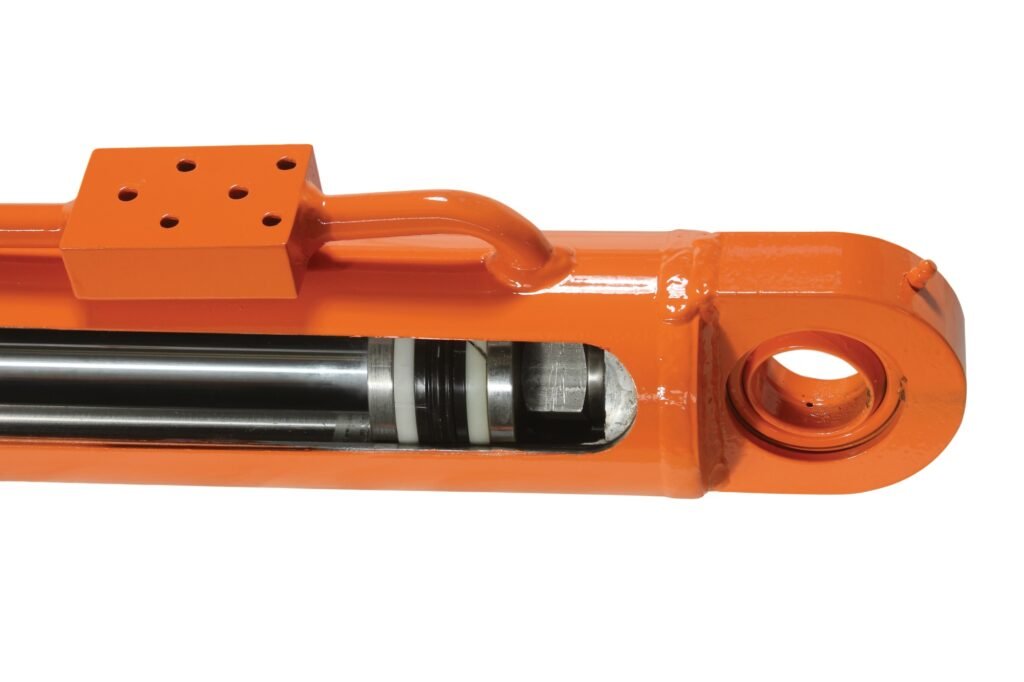
A clevis or trunnion mount’s pivot points depend on pin and bushing wear resistance just as much as the cylinder’s rod and bore depend on their own material specification — and a design that gets rod and bore specification right while treating pin and bushing material as an afterthought can still develop a service life problem at the pivot points, independent of how well the core cylinder itself performs. Give pin and bushing material the same specification attention as the rod and bore, rather than defaulting to a generic standard part without considering the application’s actual duty cycle.
Retrofitting a Different Mounting Style Is Harder Than It Looks
Changing a fielded design’s mounting style after the fact usually means more than swapping the cylinder’s end configuration — the surrounding equipment’s mounting points, structural supports, and clearances were designed around the original mounting geometry, and a different mounting style often doesn’t bolt in as a clean substitute. This is a strong argument for getting the mounting style decision right during initial design rather than treating it as an easy fix if the original choice turns out to be wrong — the retrofit cost extends well beyond the cylinder itself into the surrounding equipment structure.
Why Mounting Style Should Be Part of the Prototype Validation, Not Assumed Correct
A new design’s prototype validation should specifically confirm the mounting style choice is working as intended under real operating conditions — checking for unexpected side-loading signs, uneven wear patterns, or pivot point issues — rather than assuming the mounting style decision was correct simply because the rest of the cylinder design performs well in testing. A prototype that performs well on bore pressure and basic function testing can still reveal a mounting style mismatch only under the specific dynamic loading conditions the equipment actually generates in real operation, which is exactly why validation testing should include genuinely representative operating conditions, not just static bench testing.
Building Mounting Style Into the Initial Design Conversation
Rather than treating mounting style as a cylinder supplier’s technical detail to specify after the application’s basic requirements are described, bring it into the initial design conversation explicitly — describing the actual load path and how it changes through the stroke lets a knowledgeable supplier help identify the right mounting style early, before downstream specification decisions get made around an assumption that may not hold up. A supplier with broad application experience across different mounting configurations can often spot a mismatch between a customer’s initially assumed mounting style and their actual described load path, catching the issue during the design conversation rather than after a problem surfaces in service.
Why Cost Comparison Across Mounting Styles Should Include More Than the Mount Itself
Comparing mounting styles purely on the cost of the mounting hardware and its machining misses the broader cost picture — a mounting style mismatch that introduces side-loading can increase rod and seal specification cost, shorten service life, and increase field maintenance frequency, all of which dwarf any modest cost difference between the mounting hardware options themselves. Build the mounting style comparison around total application cost and service life impact, not just the isolated cost of the mount, since the mounting hardware itself is rarely the largest cost driver in this decision once the downstream effects are properly accounted for.
How to Evaluate Mounting Style for Equipment With Multiple Operating Modes
Equipment that operates in genuinely different configurations or load conditions at different times — a piece of equipment with both a primary operating mode and an occasional secondary function with a different load path — complicates the mounting style decision, since a mounting style well suited to the primary mode might introduce side-loading risk during the secondary mode. Evaluate the load path across every operating mode the equipment actually experiences, not just the primary or most frequent one, since a mounting style decision optimized only for the dominant use case can still create real wear risk during a less frequent but still regularly occurring secondary mode.
Why Documenting the Mounting Style Rationale Protects Against a Costly Future Mistake
As with other specification decisions, recording why a particular mounting style was chosen — the specific load path analysis that led to it — protects the design from a well-intentioned future simplification by someone who doesn’t have visibility into the original reasoning. A design review years later that questions why a seemingly more complex clevis mount was chosen over a simpler flange mount can be answered quickly and confidently if the original load path analysis is documented, rather than requiring the analysis to be redone from scratch or, worse, having the mounting style simplified based on an assumption that it was never actually necessary.
Why a Supplier Conversation About Mounting Style Should Happen Before the RFQ, Not During It
Raising mounting style and actual load path considerations during an initial technical conversation, before a formal request for quote is issued, gives a supplier the chance to flag a potential mismatch while the design is still flexible enough to easily adjust. Waiting until a formal RFQ is already in process to raise these questions puts both sides in a more rigid position, where a flagged mismatch now requires revising a quote already in motion rather than simply refining a conversation that hasn’t yet produced a fixed commitment. Adjustments made at the conversation stage cost essentially nothing compared to the same adjustment made after tooling and a formal quote are already in motion, which is reason enough to raise mounting style early even when the rest of the technical conversation feels routine.
Why a Simple Sketch of the Load Path Helps Even a Non-Technical Conversation
Describing an application’s load path verbally, without a basic sketch or diagram showing how the load direction changes through the stroke, leaves real room for miscommunication between customer and supplier about what the application actually requires — a rough hand-drawn sketch showing the load direction at a few key points through the stroke communicates more reliably than a verbal description alone, even when neither party is a mounting style specialist.
Related Reading
- More Capability Sounds Safer. A Double Rod End Cylinder Isn’t Free Capability.
- How Should an Equipment Manufacturer Decide Whether a Hydraulic Cylinder Needs a Stop Tube on a Long-Stroke Design?
- How Should an Equipment Manufacturer Decide Whether a Hydraulic Cylinder Needs a Position Sensor Integrated Into the Design?
Discuss Mounting Style for Your Cylinder Design
Working through whether clevis, trunnion, or flange mounting fits your application’s actual load path? Contact our team to review your design early, before rod and bore specification is finalized.
What We Offer
- Early design consultation on mounting style matched to your actual load geometry
- Rod and bore specification support that accounts for anticipated side-load conditions
- Pin and bushing material guidance for clevis and trunnion mounting applications
- Technical review for existing designs experiencing unexpected wear patterns
Contact EAST AI (eastai-tech.com) Email: marketdi@east-ai.cn Phone: +86 13382202696 Address: No. 108, Lunan Road, Wuxi, Jiangsu, China.
Written by Alex, Production Engineer at EAST AI