
An equipment builder supplying mining machinery to a northern climate once had a cylinder barrel crack during a cold-weather startup, at a temperature the steel’s room-temperature mechanical properties gave no hint of trouble. The honed tube had passed every dimensional and surface check at the factory. What it had not been checked against was the specific risk that matters most in low-temperature service: whether the base steel retains enough toughness to resist brittle fracture at the coldest temperature the equipment would actually see in operation, not just at the moderate temperatures where most standard testing happens.
This article is for equipment builders and engineers specifying honed tube for machinery operating in cold climates, mining in northern regions, or arctic and sub-arctic conditions, and it explains why low-temperature service calls for attention to base steel toughness and seal material that a standard specification does not automatically provide.
Why Cold Temperature Changes How Steel Fails
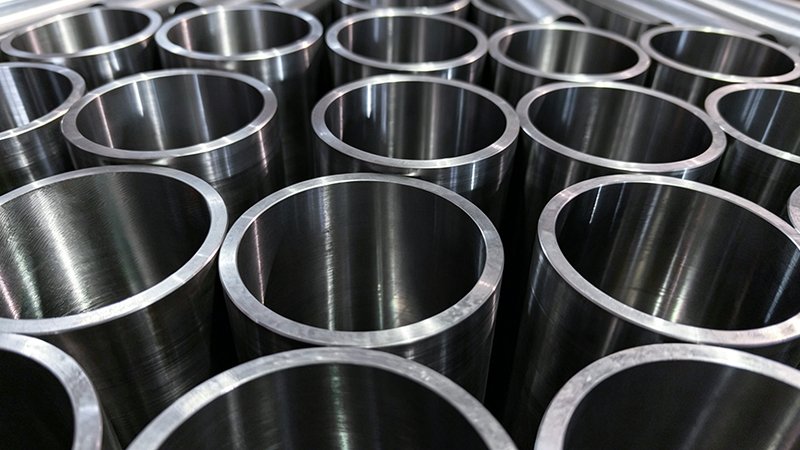
Many carbon and low-alloy steels undergo a ductile-to-brittle transition as temperature drops, below a certain temperature, often well above what feels dramatically cold to a person, the steel’s fracture behavior shifts from ductile, absorbing energy and deforming before failing, to brittle, cracking suddenly with little warning and far less energy absorption. The specific temperature at which this transition occurs depends on the steel grade, its chemistry, and its heat treatment, and it is not something a room-temperature tensile test reveals.
For a cylinder barrel subjected to sudden pressure, impact, or shock loading, such as a sudden valve closure or an impact load on a mining machine’s bucket cylinder, operating below its steel’s transition temperature significantly increases the risk of sudden, catastrophic cracking rather than the more gradual, visible deformation that would occur at warmer temperatures.
Verifying Toughness at the Service Temperature
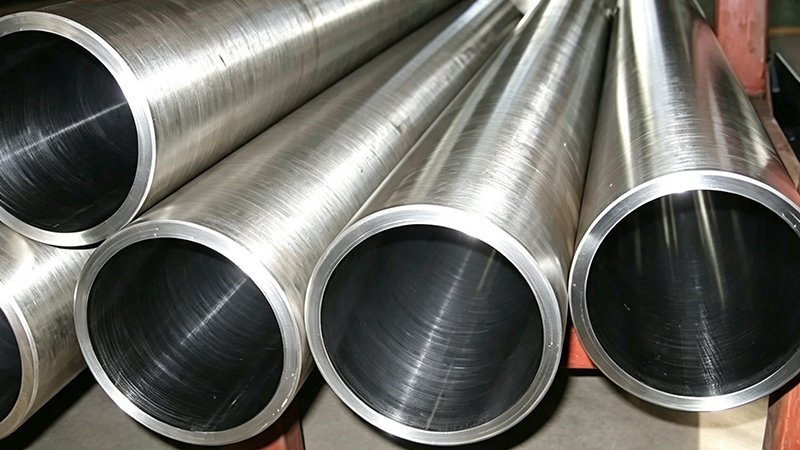
The relevant verification for cold-climate service is impact toughness testing at a temperature representative of actual service conditions, commonly a Charpy impact test performed at the coldest temperature the equipment will realistically experience, rather than at room temperature alone. A steel grade can show entirely acceptable toughness at room temperature and marginal or poor toughness at a representative low temperature, and only testing at the relevant temperature reveals which situation applies to a specific heat of material.
Specifying a minimum impact toughness value at a stated low temperature, rather than relying on a room-temperature-only specification, is the detail that protects against the kind of brittle failure described above, and it should be a deliberate addition to the specification for any honed tube or chrome plated rod destined for genuinely cold service, not an assumption that standard material will automatically perform.
Base Steel Grade Selection for Cold Service
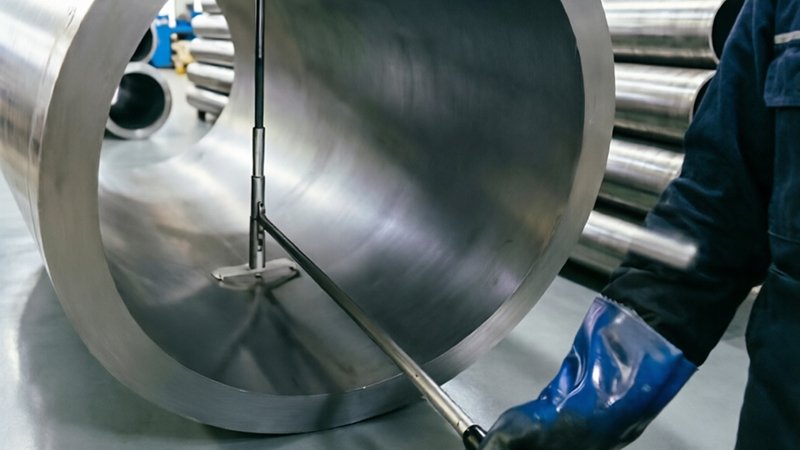
Some steel grades and heat treatment conditions inherently offer better low-temperature toughness than others at a comparable strength level. Grades developed or selected specifically for cold-service applications, sometimes with controlled chemistry or specific heat treatment to optimize low-temperature toughness, provide a meaningfully better safety margin than a general-purpose grade chosen only for its room-temperature strength and machinability. Discussing the actual minimum service temperature with a supplier before finalizing a specification allows this grade selection to happen deliberately rather than defaulting to whatever grade is already in stock.
Seal Material Behavior in Cold Conditions
Beyond the steel itself, seal materials also change behavior at low temperature, typically becoming harder and less flexible as temperature drops, which can reduce sealing effectiveness and increase the risk of seal damage during cold-start operation before the system has warmed through friction and fluid circulation. Selecting seal compounds rated for the actual minimum service temperature, rather than a standard-temperature elastomer, protects against leaks and seal failures specifically during cold starts, which is often when a system experiences its most demanding combination of stiff seals and cold, thick hydraulic fluid simultaneously.
Specifying Cold-Climate Duty Explicitly
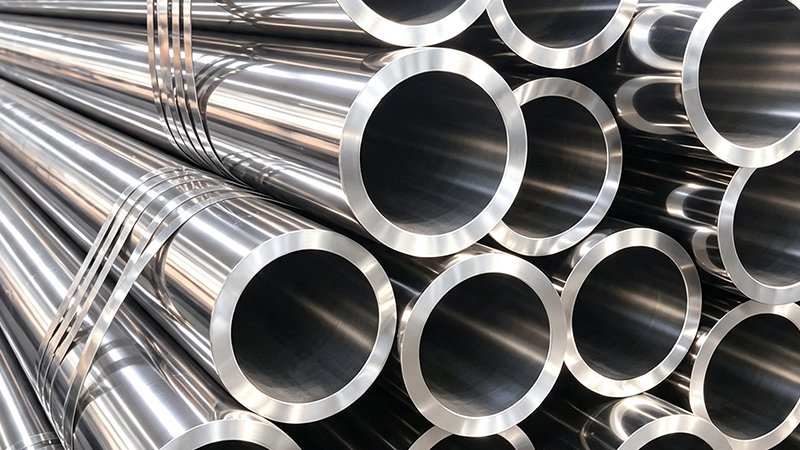
The practical lesson for equipment builders is to state the actual minimum service temperature on the specification when ordering honed tube or chrome plated rod for cold-climate equipment, rather than leaving the supplier to assume standard conditions. That single piece of information allows appropriate base steel grade selection, low-temperature toughness verification, and seal material guidance, closing exactly the gap that led to the cracked barrel described above, where every standard check passed and the one check that mattered for the actual service condition was never specified.
Related Reading
- Honed Tube for Water and Water-Glycol Hydraulic Systems
- Stress Relief in Cold-Drawn Honed Tube: Why It Matters Before Machining
- Chrome Plated Rod for High-Temperature Applications: Limits and Alternatives
State the Real Minimum Temperature
A room-temperature pass does not guarantee cold-climate performance. State the actual minimum service temperature on your specification, and verify base steel toughness and seal materials against that number, not against standard conditions.
What We Offer
- Honed tube with base steel grades selectable for low-temperature toughness requirements
- Impact toughness verification available at specified service temperatures
- Seal material guidance for cold-start and sustained cold-climate operation
- Full material traceability for mining, construction, and equipment builders in cold regions
Contact EAST AI (eastai-tech.com) Email: marketdi@east-ai.cn Phone: +86 13382202696 Address: No. 108, Lunan Road, Wuxi, Jiangsu, China.
Written by Alex, Production Engineer at EAST AI