
A steel plant replaced the mineral oil in a hydraulic system near its furnaces with a water-glycol fire-resistant fluid, a sensible safety decision. Within a year, several cylinders showed rust in the bore, seals wearing faster than before, and a fine brown sediment in the filters. The cylinders had been built with standard honed tube and seals chosen for mineral oil. Nobody had changed the cylinders, because the fluid change was treated as a maintenance decision rather than a design one. Water-based hydraulic fluids solve important problems, but they ask more of the honed bore than oil does.
This article is for engineers and technical buyers who specify cylinders for water-glycol (HFC), high-water-content, or pure water hydraulic systems. It explains what changes when water replaces oil, how it affects the honed bore, and the material, surface, and design choices that keep the cylinder reliable.
Why Water-Based Fluids Are Used
Fire-resistant fluids are used where a leak of mineral oil could ignite: steel mills, foundries, die-casting, mining, and other hot or underground environments. Water-glycol fluids typically contain a significant proportion of water together with glycol and additives; high-water-content fluids and pure water systems contain even more water. Other water-based systems are chosen for environmental or hygiene reasons, where oil contamination of the product or surroundings is unacceptable.
The benefits are real, but water behaves very differently from oil inside a cylinder.
What Changes for the Bore
Corrosion risk rises. Mineral oil protects bare steel by excluding water. A water-based fluid brings water into constant contact with the bore. Water-glycol fluids contain corrosion inhibitors, but their effectiveness depends on maintaining the fluid’s composition, and any area where fluid stagnates, such as the ends of a cylinder that rarely strokes fully, is at greater risk.
Lubricity is lower. Water-based fluids generally provide a thinner, weaker lubricating film than mineral oil. The seal relies more heavily on the bore surface to retain fluid and less on the fluid’s own film strength, which makes bore finish more important and increases seal and bore wear if the finish is wrong.
Vapour and cavitation behaviour differs. Water has a higher vapour pressure than oil, so cavitation is more likely where pressure drops sharply, and water-based systems are often run at lower maximum temperatures to control evaporation and fluid degradation.
Material compatibility changes. Some metals and seal materials that are fine in oil react poorly with water-glycol. Seal compounds must be compatible with the specific fluid, and certain coatings and metals should be avoided.
Material Options for the Honed Tube
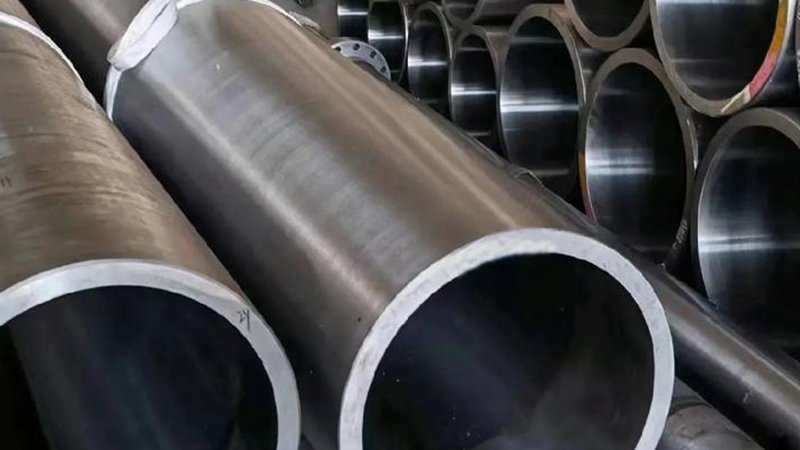
For water-glycol systems with well-maintained fluid, standard carbon-steel honed tube can work, provided the inhibitor package is kept at the correct concentration, water content is controlled, and the cylinder design avoids stagnant zones. This is the most economical route, but it depends on disciplined fluid management.
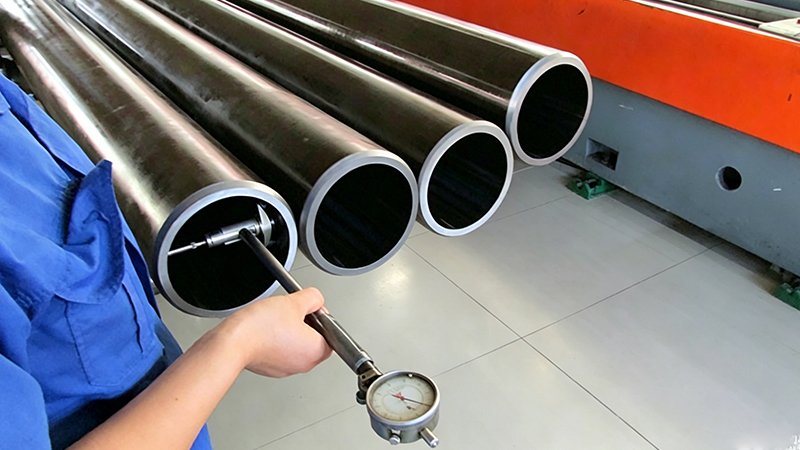
Where fluid condition is less predictable, or the service is critical, internally chrome-plated honed tube provides a harder, more corrosion-resistant bore. The chrome resists rust better than bare steel and improves wear resistance where lubricity is reduced. Plating uniformity along the bore and the final finish must be controlled so the bore still meets its tolerance and sealing requirements.
For high-water-content and pure water systems, stainless steel tube is often the appropriate choice, because the water content is too high for carbon steel to rely on inhibitors alone. The stainless grade, its strength, the wall thickness needed for the working pressure, and its behaviour against the chosen seals and bushings must all be checked in the design.
Surface Finish and Seal Selection
With lower lubricity, the bore’s ability to retain a fluid film becomes more important. A controlled plateau-honed finish with a consistent cross-hatch helps hold fluid at the seal contact while presenting a smooth bearing surface to the seal. A bore that is too rough wears seals quickly in water-based fluid; one that is too smooth may not retain enough fluid.
Seal materials must be chosen for the specific fluid. Many compounds used in mineral oil can swell, harden, or degrade in water-glycol, and compatibility should be confirmed with the seal manufacturer. Bearing and bushing materials should also be checked, as some behave differently when lubrication is water-based.
Design and Operating Practices
Several practices extend cylinder life in water-based systems. Designing to avoid dead zones where fluid stagnates, cycling cylinders periodically if they sit idle, keeping fluid within its specified water content and inhibitor level, and filtering to remove corrosion products all reduce bore damage. Operating temperature limits for the fluid should be respected, as overheating accelerates fluid breakdown and corrosion.
When converting an existing oil system to water-glycol, review the cylinders as well as the fluid. Checking seal compatibility, bore material, and condition before the change is far cheaper than discovering corroded bores afterwards.
Related Reading
- Honed Tube for Injection Molding Machine Clamping Cylinders
- Weld-On Ports and Bosses on Honed Tube: Managing Bore Distortion
- Roundness and Ovality of Honed Tubes: The Overlooked Seal Killer
When the Fluid Changes, the Bore Must Keep Up
Water-based fluids improve fire safety and hygiene, but they bring water into the bore every stroke. Match tube material, bore finish, and seals to the fluid, and the cylinder keeps its service life.
What We Offer
- Honed tube in carbon steel for well-managed water-glycol systems
- Internally hard chrome plated honed tube for higher corrosion and wear resistance
- Controlled bore finish to support fluid retention where lubricity is reduced
- Guidance on matching tube material and finish to your fluid, plus full traceability
Contact EAST AI (eastai-tech.com) Email: marketdi@east-ai.cn Phone: +86 13382202696 Address: No. 108, Lunan Road, Wuxi, Jiangsu, China.
Written by Alex, Production Engineer at EAST AI