
Published: 2026-10-15 | Last Updated: 2026-10-15
Two cylinders built to the same drawing, running the same rated pressure, in what looks like comparable duty, sometimes show dramatically different bore wear rates after a similar number of service hours — one still performing well, the other needing a rebuild far earlier than expected. Nominal pressure rating alone explains very little about actual bore wear, because wear is driven much more by pressure variation patterns, contamination exposure, and seal interaction than by the single peak pressure number stamped on a specification sheet. Understanding what actually drives differential wear between seemingly identical cylinders helps engineers and equipment operators diagnose real root causes instead of assuming the tube itself is simply inconsistent.
Why Peak Pressure Rating Tells an Incomplete Story
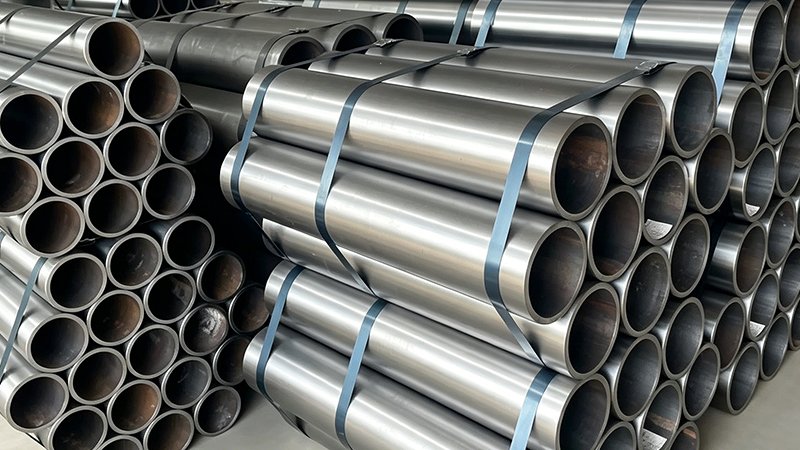
A cylinder’s pressure rating describes the maximum pressure the design is built to handle safely, but says nothing about how often that cylinder actually operates near that peak versus running most of its duty cycle at a fraction of rated pressure, nor does it capture pressure spikes from sudden load changes or hydraulic shock that can exceed steady-state pressure significantly for brief moments. Two cylinders with identical pressure ratings can experience very different actual pressure exposure over their service life depending entirely on how the equipment is operated, and this exposure difference, not the rating itself, is often the real driver behind different wear outcomes.
The Factors That Actually Drive Differential Bore Wear
| Factor | Why It Matters More Than Peak Pressure Rating |
|---|---|
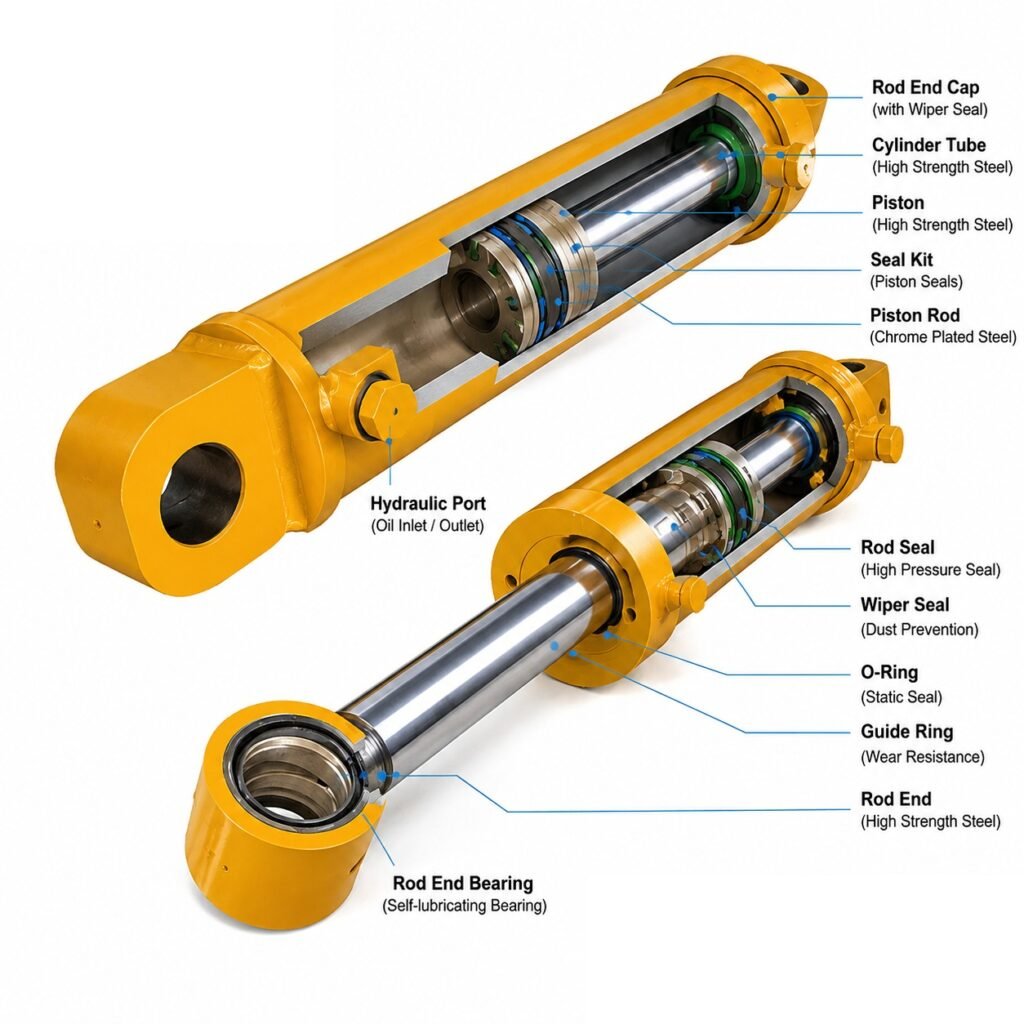
| Pressure cycling frequency and magnitude | Repeated pressure swings fatigue the bore surface differently than steady-state operation at the same peak |
| Contamination ingress | Even fine particulate contamination accelerates abrasive wear independent of pressure |
| Seal type and condition | A degrading seal changes contact dynamics and can accelerate bore wear well before it visibly leaks |
| Operating temperature | Affects oil viscosity and film strength, changing lubrication effectiveness at the same pressure |
| Actual duty cycle vs rated duty cycle | Equipment used more aggressively than its rated application sees different real-world stress |
Contamination as a Frequently Overlooked Variable
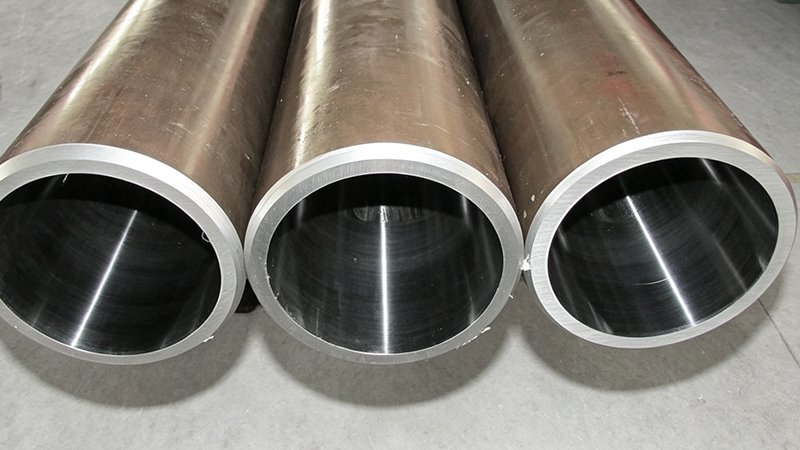
Hydraulic fluid contamination — fine abrasive particles that get past filtration or enter through a compromised seal — accelerates bore wear through an abrasive mechanism that has little to do with pressure at all, and this is one of the most commonly overlooked variables when comparing wear rates between seemingly identical cylinders. Two cylinders on the same equipment type, but with different filtration maintenance histories or different exposure to a dusty or contaminated working environment, can show meaningfully different wear rates even with completely identical honed tube and identical pressure ratings, simply because one bore has been exposed to more abrasive particulate over its service life.
How Seal Condition Interacts With Bore Wear
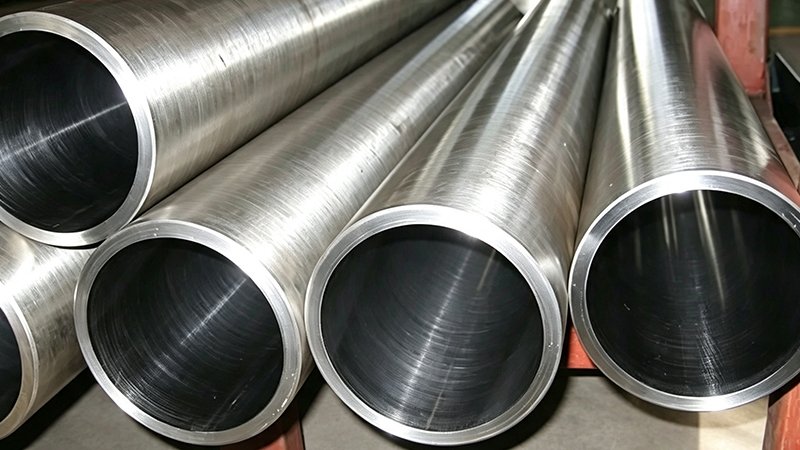
A seal that’s beginning to degrade — through age, chemical incompatibility, or improper installation — changes the contact dynamics between the seal and the bore surface in ways that can accelerate wear on the bore itself, well before the degradation becomes visible as an external leak. This creates a situation where comparing two cylinders’ bore wear without also comparing seal condition and maintenance history can lead to an incorrect conclusion that the tube material itself is the variable, when the actual difference lies in seal-related factors upstream of the tube.
Pressure Spikes and Hydraulic Shock
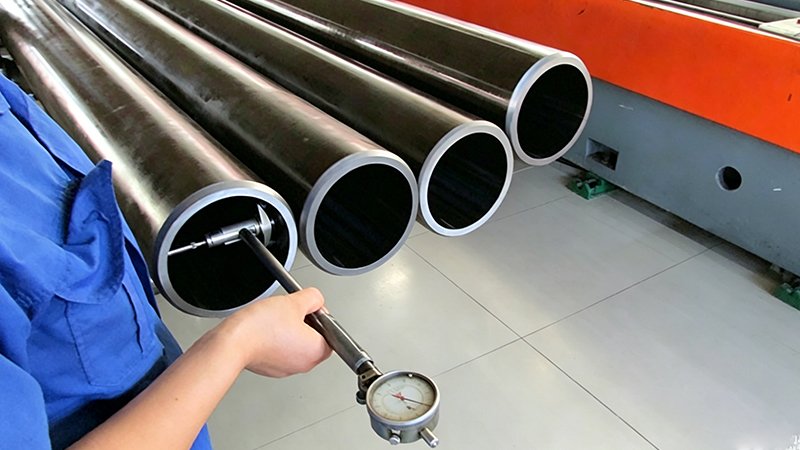
Sudden load changes, rapid valve actuation, or mechanical shock transmitted into the hydraulic system can produce brief pressure spikes well above the steady-state operating pressure, and these transient spikes can contribute meaningfully to bore fatigue and wear over time even though they’re rarely captured in a simple pressure rating comparison. Equipment with more aggressive operating patterns, more frequent rapid direction changes, or exposure to shock loading will generally show more bore wear over equivalent service hours than equipment running smoother, more gradual load cycles, independent of what either cylinder’s nominal rating says.
Diagnosing Differential Wear Correctly
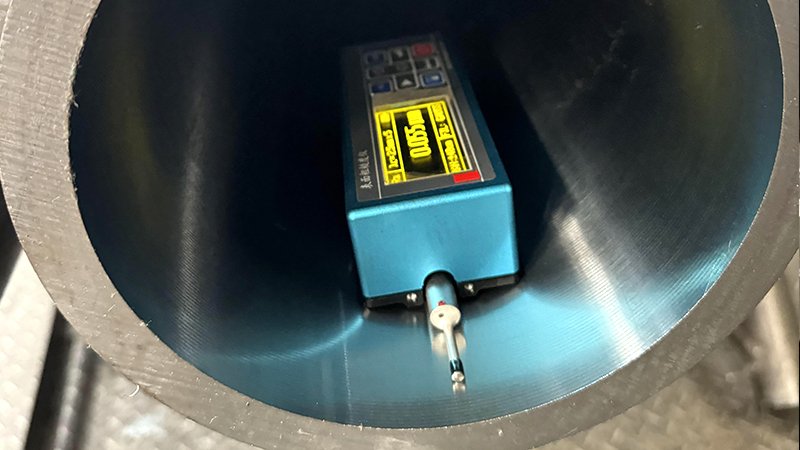
When two seemingly identical cylinders show different wear rates, the productive diagnostic path starts with comparing actual operating conditions — contamination levels, seal maintenance history, actual pressure cycling patterns, and operating environment — rather than assuming a material or manufacturing inconsistency in the tube itself. In most cases we’ve seen, the explanation lies in one or more of these operating condition differences, not in the honed tube’s actual metallurgical or dimensional consistency, which can be independently verified against mill certificates if a material question genuinely remains after operating conditions have been reviewed.
What This Means for Specifying New Cylinder Designs
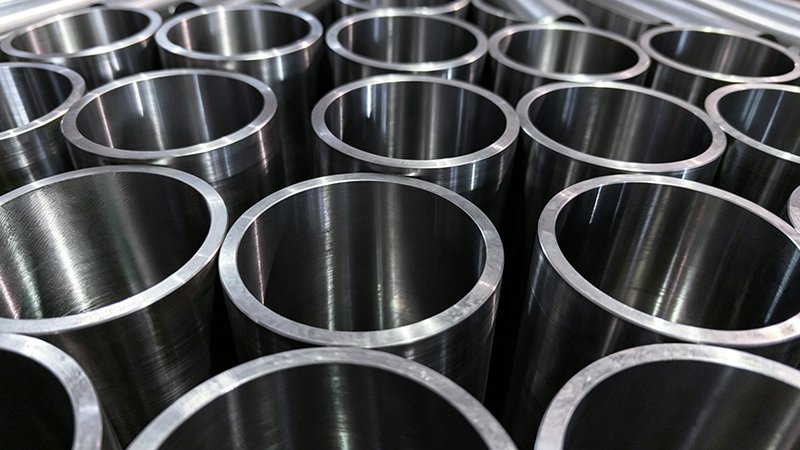
For engineers specifying honed tube for a new design, understanding the actual expected pressure cycling pattern, contamination exposure, and operating environment — not just the peak pressure rating — allows for more informed decisions about wall thickness, surface finish, and even base steel selection that account for the real wear drivers rather than a single pressure number.
Discuss Wear Diagnosis or Design Specification
Seeing unexplained wear differences between similar cylinders, or specifying honed tube for a demanding new application? Contact our team to discuss the operating conditions and specification details.
Related Reading
- Honed Tube Hardness Gradient From Surface to Core: Why a Single Hardness Reading Doesn’t Tell the Full Story
- Hydraulic Cylinder Dynamic Seal Friction: Breakout Force and Why It Matters More Than Steady-State Friction
- Honed Tube Bore Taper Along Length: Why a Tube Can Pass Diameter Checks at Both Ends and Still Be Wrong in the Middle
What We Offer
- Honed tube manufactured with documented metallurgical and dimensional consistency for wear diagnosis baseline comparison
- Technical consultation on matching wall thickness and finish to actual operating condition profiles
- Material verification support for buyers investigating unexplained wear differences
- Full traceability supporting root-cause investigation when wear issues arise
Contact EAST AI (eastai-tech.com) Email: marketdi@east-ai.cn Phone: +86 13382202696 Address: No. 108, Lunan Road, Wuxi, Jiangsu, China.
Written by Alex, Production Engineer at EAST AI