
A cylinder manufacturer once sent us a failed rod that had snapped cleanly in service under a load well below what the steel should have carried, and the fracture surface had the tell-tale brittle appearance of something that should not have broken that way. The rod was a high-strength alloy grade, freshly chrome plated, and it had failed not from overload or fatigue in the usual sense but from hydrogen embrittlement introduced during plating. It is a failure mode that catches people out precisely because the rod looks perfect right up until it breaks.
Hydrogen embrittlement is one of the more insidious risks in chrome plated rod, because it is invisible, it disproportionately affects the strongest steels, and it can turn a correctly made, correctly specified rod into a brittle liability. For engineers and senior buyers specifying rod, particularly high-strength rod for demanding duty, understanding how plating introduces hydrogen and how baking removes it is essential to avoiding a dangerous and puzzling class of failure.
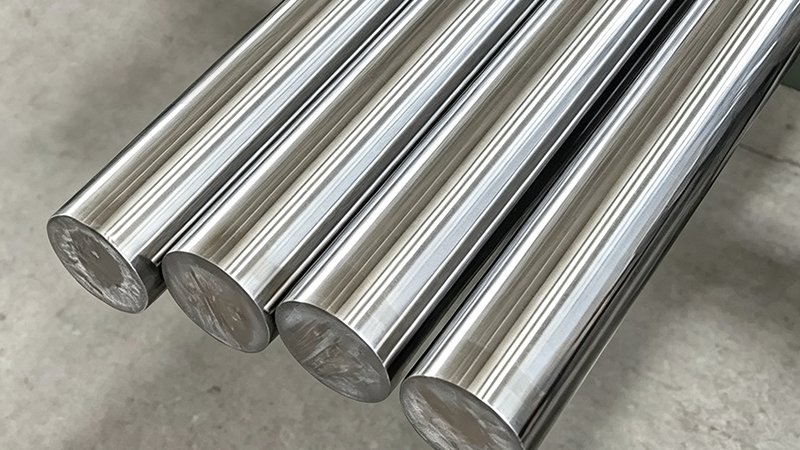
What hydrogen embrittlement is
Hydrogen embrittlement is a loss of ductility and load-carrying capacity in steel caused by atomic hydrogen absorbed into the metal. Hydrogen atoms are extremely small and can diffuse into the steel’s crystal structure, where they collect at internal stress concentrations and interfaces. Once present, they reduce the steel’s ability to deform plastically, so that under load the metal cracks in a brittle manner instead of yielding, often at stresses far below its normal strength.
The failure is particularly dangerous because it is delayed and hidden. A hydrogen-charged rod can pass inspection, look and measure perfectly, and go into service, only to crack hours, days, or weeks later under a sustained load. This is sometimes called delayed or static fatigue, and it is why a rod can fail unexpectedly long after manufacture. There is no visible warning, which is what makes the mechanism so treacherous compared with ordinary wear or overload.
Crucially, embrittlement is driven by the interaction of absorbed hydrogen and tensile stress. A rod under load, or one carrying high residual tensile stress, is far more susceptible than an unstressed piece, because the stress helps drive hydrogen to the points where cracks initiate. This is why the failure appears in service, under load, rather than sitting harmlessly on the shelf. The combination of hydrogen and stress is what does the damage.
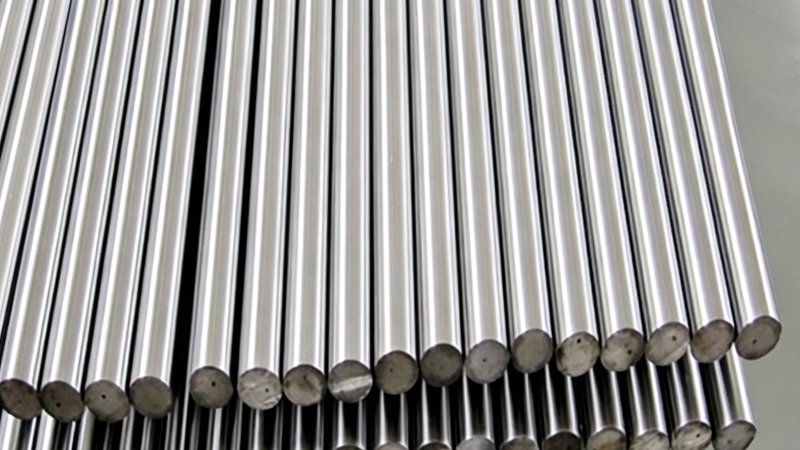
Why high-strength steels are most at risk
Not all rod is equally vulnerable, and the single biggest risk factor is the strength and hardness of the base steel. Higher-strength, higher-hardness steels are markedly more susceptible to hydrogen embrittlement than softer, lower-strength grades. This is because their microstructure is less able to tolerate the loss of ductility that hydrogen causes, and because they are often used at higher stresses where the hydrogen-stress interaction is strongest.
This creates a design tension that engineers must respect. A high-strength alloy base such as a hardened chromium-molybdenum grade is exactly what you want for a heavily loaded, long-stroke, or high-fatigue rod, yet that same high strength is what makes the rod most vulnerable to embrittlement during plating. Specifying a strong rod and then plating it without proper precautions is a recipe for the kind of brittle failure described above. The stronger the steel, the more carefully the plating and post-treatment must be managed.
Lower-strength general-purpose rod, by contrast, is far more forgiving, which is one reason standard medium-carbon rod rarely shows this failure. The practical implication is that the risk conversation should be sharpest exactly where the rod is most highly specified. When a customer asks for a high-strength rod for a critical duty, that is the moment to ensure the embrittlement risk is being managed, not the moment to relax.
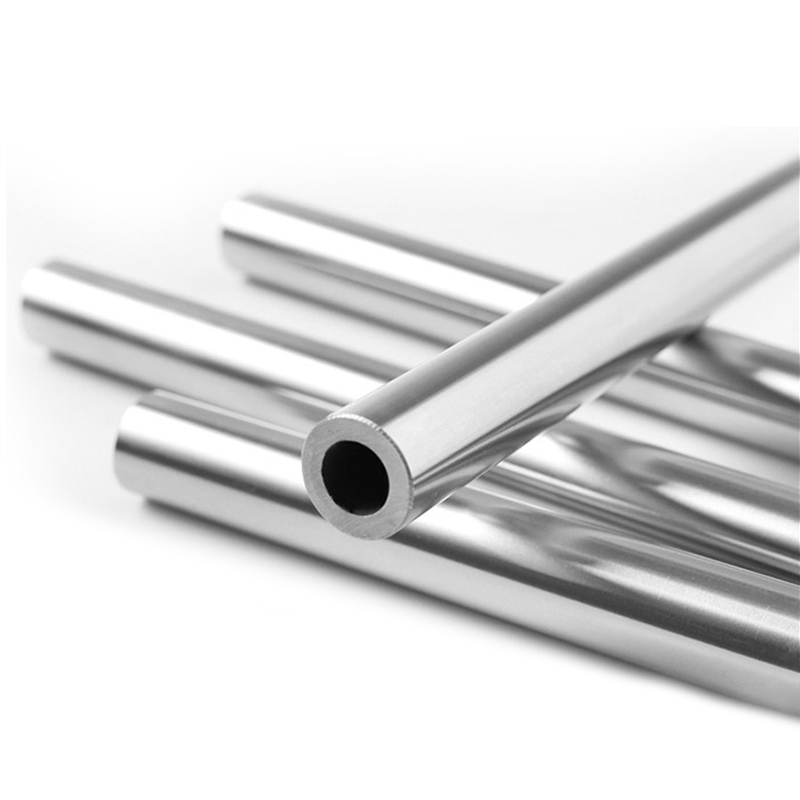
How plating introduces hydrogen
The connection to chrome plating is direct: electroplating is an electrochemical process that generates hydrogen at the surface of the part, and some of that hydrogen is absorbed into the steel rather than escaping as gas. Both the acid cleaning and pickling steps that prepare the surface and the electrodeposition of chrome itself can charge the steel with hydrogen. So the very process that gives the rod its hard, protective surface can, if uncontrolled, load the base steel with the hydrogen that embrittles it.
This is not a sign of a defective process; it is an inherent characteristic of electroplating that must be actively managed. The amount of hydrogen absorbed depends on the surface preparation, the plating chemistry, and the process control, and a well-run plating line minimises uptake. But minimisation is not elimination, and for susceptible high-strength steels the residual absorbed hydrogen can still be enough to cause embrittlement. That is why a post-plating treatment is needed rather than relying on plating control alone.
It is worth noting that the risk is a property of the whole system: the steel’s susceptibility, the plating process, and the service stress together determine whether embrittlement occurs. A low-strength rod plated on a good line may need no special measures, while a high-strength rod on the same line does. Understanding that it is the combination, not any single factor, that governs the risk is key to specifying correctly.
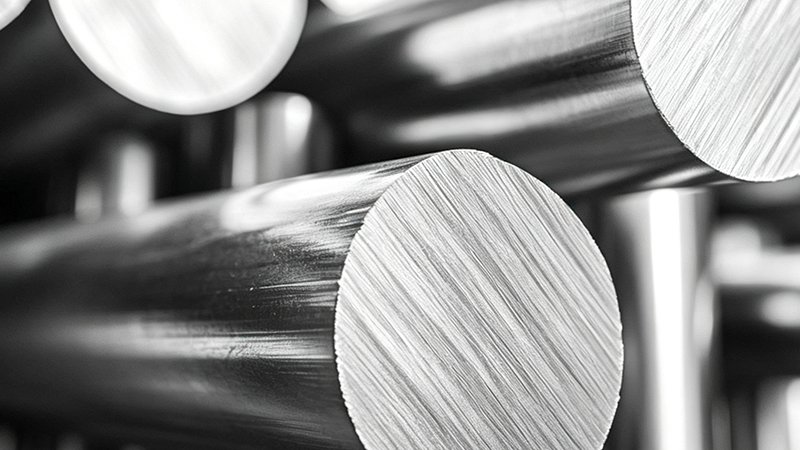
Baking: the standard remedy and how to specify it
The established remedy for hydrogen embrittlement is a post-plating bake, a heat treatment that drives the absorbed hydrogen back out of the steel before it can do damage. The part is held at a moderate elevated temperature for a number of hours, which gives the small hydrogen atoms enough mobility to diffuse out of the metal while the temperature stays low enough not to affect the chrome layer or the base steel’s properties. Done correctly, baking restores the steel’s ductility and prevents delayed fracture.
Two aspects of baking matter for specification. First, timing: the bake should follow plating as soon as possible, because hydrogen that is allowed to settle at internal traps for too long becomes harder to remove, and embrittlement can begin. A prompt bake is more effective than a delayed one. Second, the bake time and temperature must suit the steel’s strength and section size, with higher-strength and larger parts generally needing longer treatment to drive hydrogen out of the full cross-section.
For buyers, the practical step is to specify that high-strength plated rod be baked for hydrogen embrittlement relief, and to expect that requirement to appear on the certificate for critical parts. A supplier who understands embrittlement will bake susceptible rod as a matter of course and can document it. When you specify a strong rod for a demanding duty, pairing that with a baking requirement is what turns a potentially brittle part into a reliable one, and it is a small specification detail that prevents a dangerous and hard-to-diagnose failure.
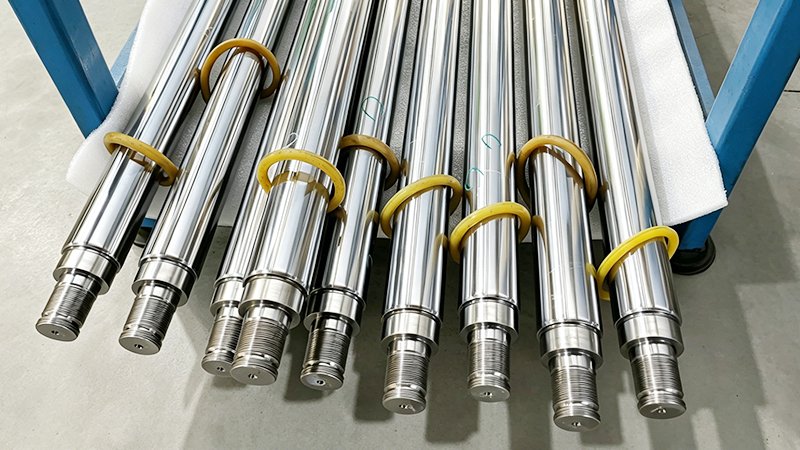
Related Reading
- Chrome Plated Rod for Offshore and Marine Deck Equipment: Corrosion Resistance Beyond Standard Chrome Plating: https://eastai-tech.com/chrome-plated-rod-for-offshore-and-marine-deck-equipment-corrosion-resistance-beyond-standard-chrome-plating/
- Chrome Plated Rod Diameter Tolerance: f7 vs f8 vs g6, How to Choose the Right Fit: https://eastai-tech.com/chrome-plated-rod-diameter-tolerance-f7-vs-f8-vs-g6-how-to-choose-the-right-fit/
Strong Rod That Stays Tough
High-strength rod delivers its promise only when hydrogen embrittlement is managed. EAST AI has plated hydraulic rod since 2006, and we control plating and bake susceptible high-strength rod so your strongest rods stay tough, not brittle.
What we offer:
- Hard chrome plated rod on high-strength alloy bases, correctly processed
- Post-plating hydrogen embrittlement relief baking for susceptible grades
- Documented plating and baking for critical, safety-related duty
- Technical support matching base grade, strength, and treatment to your application
Specifying a high-strength rod? Let’s make sure it is baked and reliable. Email: marketdi@east-ai.cn | Phone: +86 13382202696 Address: No. 108, Lunan Road, Wuxi, Jiangsu, China.
Written by Alex, Production Engineer at EAST AI