
Written by Alex, Production Engineer at EAST AI
A chrome plated rod that performs perfectly well for years in an indoor industrial setting can start showing corrosion within months on an offshore platform or a vessel deck, exposed continuously to salt spray, humidity, and sometimes direct seawater contact. Standard chrome plating gives real corrosion protection, but marine and offshore duty is one of the applications where standard specs most often fall short of what the environment actually demands.
We’ve supplied chrome plated rod into offshore, marine deck equipment, and coastal industrial programs enough times to know that corrosion protection needs to be addressed as its own design question here, not assumed to be covered adequately by a standard chrome layer.
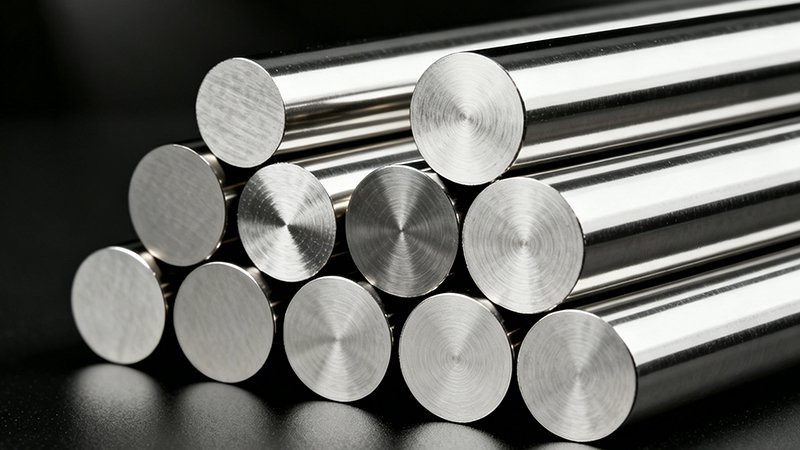
Why Standard Chrome Plating Has Limits in Marine Environments
Chrome plating protects the base steel as long as the chrome layer itself remains fully intact, but any microscopic porosity, pinhole defect, or local damage in the plating creates a path for salt-laden moisture to reach the base steel underneath. Once that happens, corrosion can actually progress faster locally than it would on unplated steel, because the surrounding chrome layer can set up a galvanic effect that concentrates corrosion at the defect site rather than spreading it evenly.
This is a bigger practical risk in continuous salt spray or seawater exposure than in general industrial environments, which is why we treat marine-duty rod differently from the start rather than applying standard chrome plating and hoping the environment is forgiving.
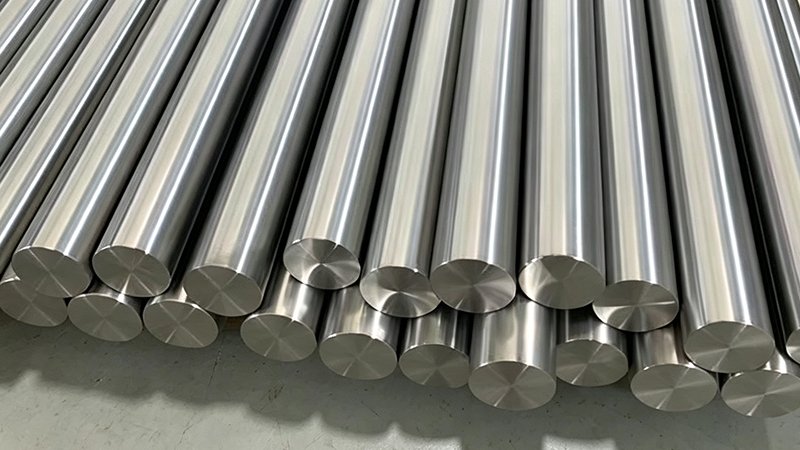
Base Material Selection for Marine Duty
For genuinely corrosive marine and offshore applications, we frequently recommend stainless steel base material — 316 for general marine corrosion resistance, or 2205 duplex stainless where higher strength is also required alongside superior resistance to chloride-induced pitting and stress corrosion cracking, both of which are real failure modes in continuous seawater exposure that standard 304 stainless doesn’t resist as well.
Plating Process Control for Reduced Porosity
Beyond base material, plating process control matters more for marine applications, since reducing microscopic porosity in the chrome layer directly reduces the number of potential moisture entry points over the rod’s service life. We control plating bath chemistry and process parameters specifically to minimize porosity for marine-duty orders, rather than applying our standard industrial plating process and assuming it transfers directly to a harsher environment.
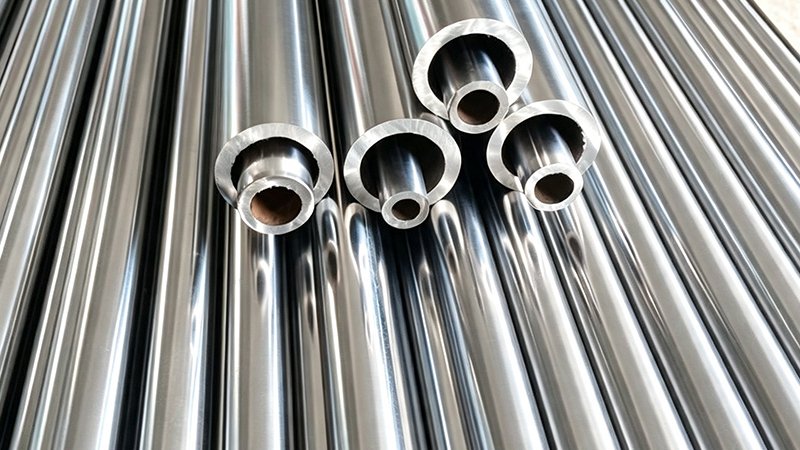
Supplementary Corrosion Protection Measures
For the most demanding offshore applications — continuous seawater splash zones, or equipment with limited maintenance access similar to the concerns relevant to offshore wind installations — we can recommend supplementary corrosion protection measures beyond chrome plating alone, appropriate to the specific exposure level and maintenance access the equipment will have in service.
A Field Case Worth Knowing About
One pattern worth mentioning: a marine deck equipment manufacturer reported corrosion appearing on standard chrome plated carbon steel rod within a single operating season on equipment positioned in a continuous salt spray zone near the vessel’s bow, while similar equipment positioned further from direct spray exposure on the same vessel showed no issue after several years. The rod spec had been applied uniformly across the vessel without differentiating by actual exposure zone.
Once we understood the specific exposure difference between deck positions, we recommended stainless base material specifically for equipment in the highest-exposure zones, while standard chrome plated carbon steel remained appropriate for lower-exposure positions elsewhere on the same vessel. Exposure zone, not just “marine application” as a general category, is often the detail that determines the right spec.
How We Support Marine and Offshore Programs
Marine and offshore equipment programs often involve long lead times for vessel or platform commissioning, and rework after installation is far more costly and difficult to schedule than for land-based equipment. We recommend confirming corrosion protection spec conservatively at the outset for marine programs specifically, given how much harder in-service correction is once equipment is installed offshore or on a vessel.
What to Send With Your RFQ
Send us the specific exposure zone (continuous splash, occasional spray, enclosed but humid, or fully submerged), expected maintenance access and interval, and whether the application has any structural strength requirements beyond standard corrosion resistance. This lets us confirm base material and any supplementary protection before quoting.
Frequently Asked Questions
Is standard chrome plating enough corrosion protection for marine equipment? It depends on exposure level. Standard chrome plating provides real protection as long as the layer remains fully intact, but continuous salt spray or seawater exposure increases the risk that microscopic porosity or damage becomes a corrosion entry point, which is why we evaluate marine applications individually rather than assuming standard plating is always sufficient.
What stainless steel grade is recommended for marine chrome plated rod? 316 is a common choice for general marine corrosion resistance, while 2205 duplex stainless is recommended where higher strength is also needed alongside superior resistance to chloride-induced pitting and stress corrosion cracking.
Does exposure zone matter within the same vessel or platform? Yes. Equipment in continuous splash zones needs a different corrosion protection spec than equipment in lower-exposure positions on the same vessel, so we recommend specifying by actual exposure zone rather than applying one spec across an entire marine program.
Why does plating process control matter more for marine-duty rod? Reducing microscopic porosity in the chrome layer reduces the number of potential moisture entry points, which matters more in continuous salt exposure where a small plating defect can become a corrosion site faster than it would in a general industrial environment.
References & Further Reading
Internal resources:
External references:
- ISO 6158:2018, Metallic and Other Inorganic Coatings — Electrodeposited Coatings of Chromium for Engineering Purposes, referenced for hard chrome plating requirements: iso.org
- DNV, a leading classification society and standards body for the maritime and offshore industry, referenced for general marine equipment certification context: dnv.com
Tell Us Your Exposure Zone, Not Just “Marine Application”
If you’re specifying chrome plated rod for offshore or marine deck equipment, tell us the specific exposure zone and maintenance access rather than treating “marine” as a single category. It’s the detail that determines whether standard chrome plating is sufficient or stainless base material and supplementary protection are worth the added cost.