
A cylinder builder once traced a batch of leaking cylinders to a problem he had never suspected: the way the tube ends were being prepared. His shop was welding end caps onto honed tube, and the welding heat, applied too close to the bore with no control, was distorting the bore near the ends just enough that the piston seal leaked at the extremes of stroke. The tube was perfect when it arrived; the damage was done at the bench during end preparation. It is a common and avoidable problem, because how you prepare and finish the ends of a honed tube can make or break the cylinder.
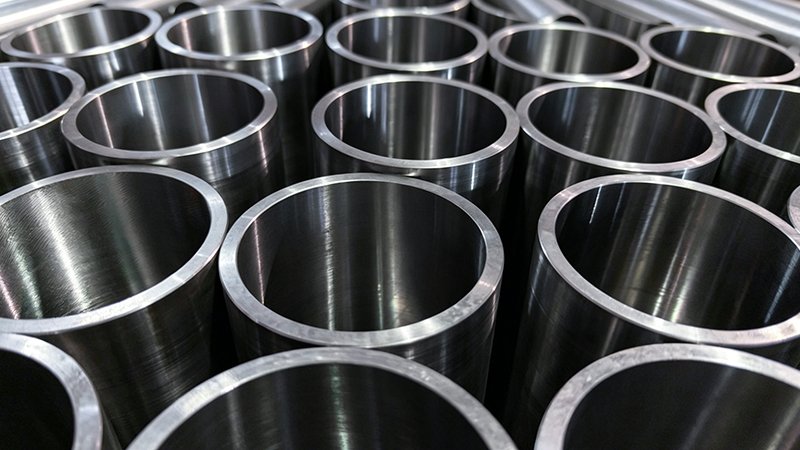
End preparation, chamfering, threading, and welding the ends of honed tube to accept end caps, glands, and ports, is a necessary step in turning a length of tube into a cylinder, and it is one where the precision of the honed bore is easily compromised. For engineers and fabricators, understanding how to prepare tube ends without damaging the bore, and how to specify tube that suits the intended end preparation, is essential to building cylinders that seal and last. This article covers the main end preparation methods and how to do them without ruining the tube.
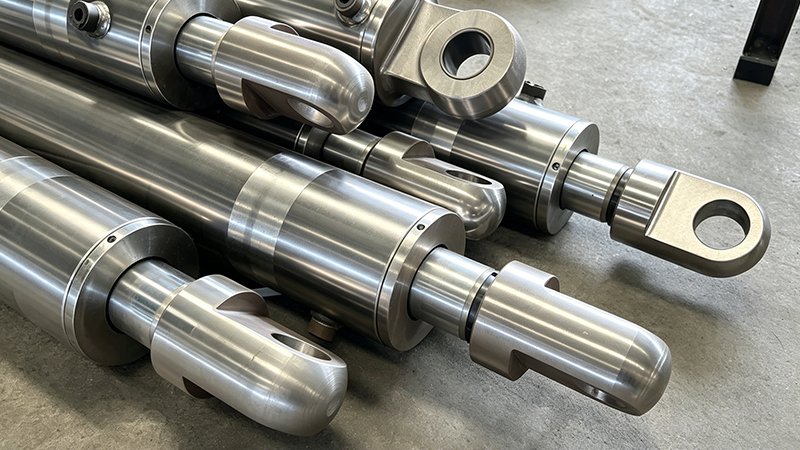
Why end preparation risks the bore
The honed bore is a precise, finished surface, and the tube ends are where it is most vulnerable during fabrication, because machining and welding operations concentrate there. Cutting, chamfering, threading, and especially welding all apply mechanical and thermal loads near the bore, and if done carelessly they can distort the bore, damage the finish, or introduce stresses that move the tube. The very precision that makes honed tube valuable is what makes protecting it during end preparation important.
Welding is the biggest risk because it introduces intense, localised heat, and heat causes expansion, contraction, and potential distortion. When an end cap or flange is welded to the tube near the bore, the heat can distort the bore into an oval or bell shape at the end, exactly the effect that caused the builder’s leaks, and the heat-affected zone can change the material near the weld. Because the piston seal must run right to the ends of the usable stroke, distortion at the ends directly causes leakage or wear where it is least tolerable.
Machining operations like threading and chamfering, while less violent than welding, also risk the bore if done without care. Cutting threads into the tube end or machining a chamfer removes material and applies cutting forces near the bore, and, as discussed for residual stress, removing material can unbalance stresses and move the tube. Clamping the tube for machining can also distort a thin-walled tube if done carelessly. So every end operation, not just welding, needs to be done with the bore’s precision in mind.
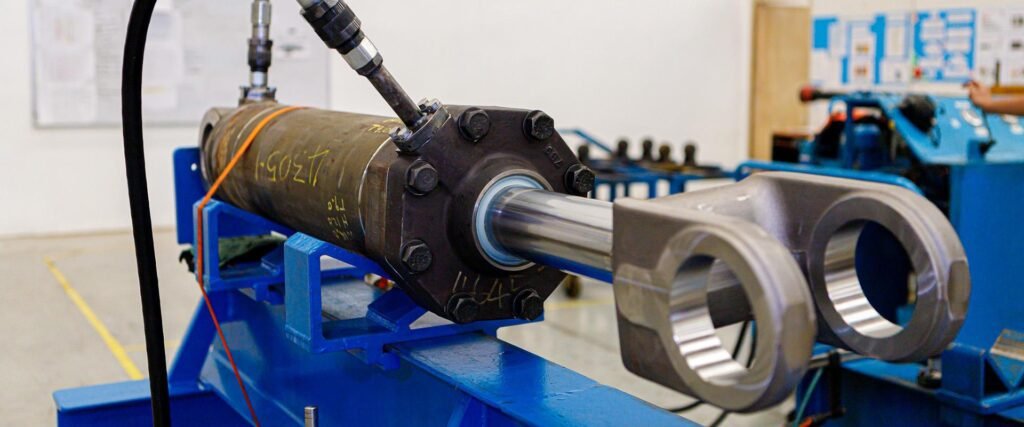
Chamfering and deburring the ends
Chamfering and deburring are the most basic end preparations, and while they seem minor, they matter for both assembly and safety. When tube is cut to length, the cut leaves sharp edges and burrs at the bore and outer edges, and these must be removed, because a burr at the bore can damage a seal during assembly as the piston is inserted, and sharp edges are a handling hazard. A clean chamfer at the bore entrance also guides the piston and seal in during assembly without shaving the seal.
The chamfer at the bore mouth serves a real function beyond tidiness: it provides a lead-in so that when the piston and its seal are pushed into the bore during assembly, the seal is compressed gradually rather than catching on a sharp edge. A sharp, unchamfered bore edge can nick or cut the seal as it enters, seeding a leak from the first assembly. A properly sized, smooth lead-in chamfer protects the seal during assembly, which is why it is a standard and important end preparation.
Deburring and chamfering must themselves be done without damaging the bore surface just inside the end. The tools and process should remove the burr and create the chamfer cleanly without scoring the honed surface or leaving new burrs pushed into the bore. This is straightforward with care but easy to botch with aggressive tools, so even this basic operation deserves attention. A clean, correctly sized chamfer and a burr-free edge set the stage for damage-free assembly.
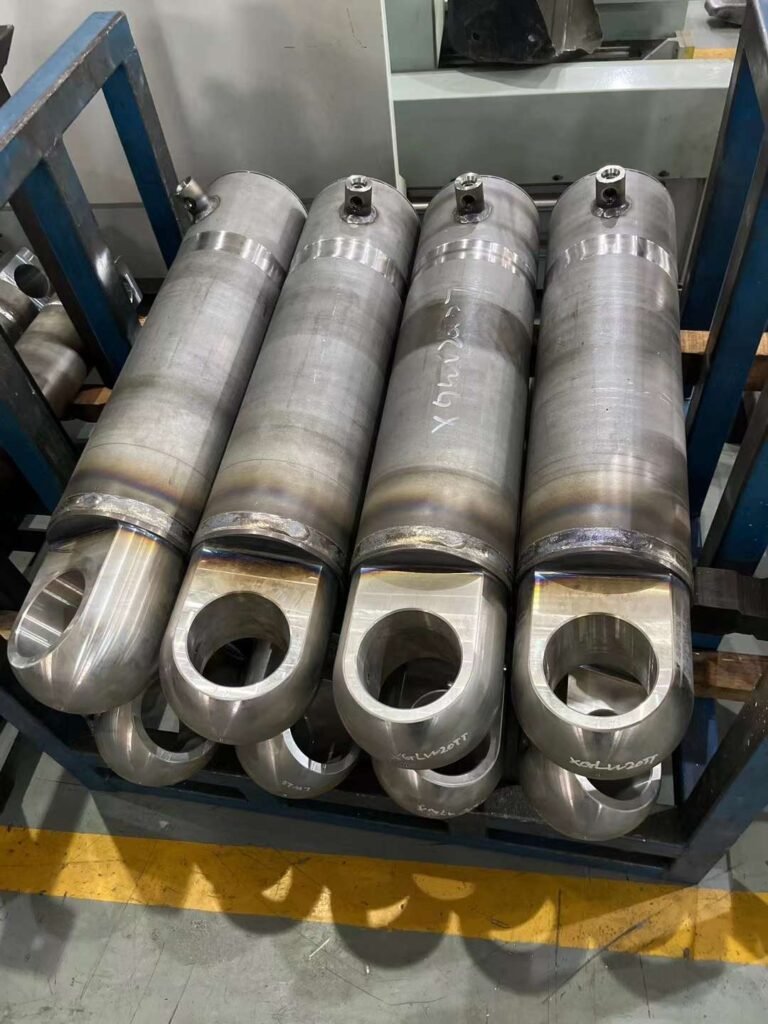
Threaded ends versus welded ends
Cylinder ends are commonly secured either by threading, where the tube end is threaded to accept a screwed cap or gland, or by welding, where caps and flanges are welded on, and the choice affects both the tube preparation and the design. Threaded ends avoid welding heat entirely, which protects the bore from thermal distortion, and they allow disassembly for service, but they require accurately machined threads and enough wall thickness to carry the load through the threads. Threading removes material, so the wall must be adequate for the thread depth and the pressure load.
Welded ends are strong and common, particularly for welded cylinder construction, but they bring the thermal risks discussed above. The advantage of welding is a strong, permanent, often more compact joint suited to high pressures and welded construction, and it does not require the wall thickness that threading consumes. The disadvantage is the heat and its potential to distort the bore and affect the material near the weld, which must be managed through weld design, technique, and often keeping the weld and its heat an adequate distance from the critical bore area.
The choice between threaded and welded ends should consider the pressure, the need for serviceability, the wall thickness, and the fabrication capability, and it affects how the tube should be specified. A tube destined for threaded ends needs adequate wall for the threads; a tube for welded ends needs a weldable grade and consideration of the weld location relative to the bore. Telling the tube supplier how the ends will be prepared lets them supply a suitable grade and wall, which is part of specifying tube for the whole cylinder rather than just the bore.
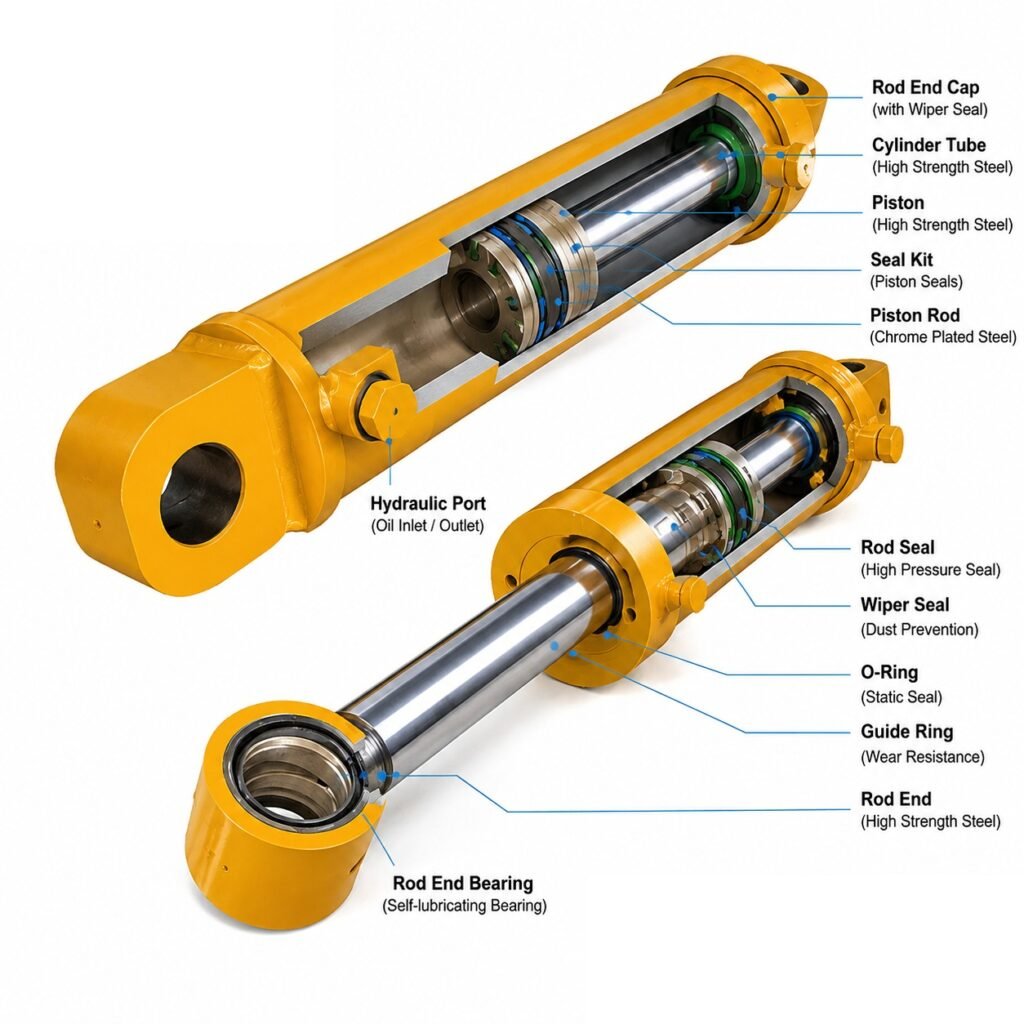
Welding without distorting the bore
For welded ends, the key is to control the heat so it does not distort the bore, and several practices help. Keeping the weld and its heat-affected zone an adequate distance from the critical sealing bore, through the joint design, reduces the effect on the bore, and using welding techniques that limit heat input, such as controlled process parameters and sequence, reduces distortion. Preheating, controlled cooling, and sometimes post-weld stress relief also help manage the thermal effects, especially on thicker or higher-strength material.
Weldable material grade matters greatly, which is why grades like ST52 (E355) are favoured for welded cylinder construction: they weld reliably without excessive risk of cracking or hardening in the heat-affected zone. Using a less weldable grade for a welded design invites weld defects and heat-affected zone problems, so the grade must suit the joining method. This is a clear case where the fabrication method should drive the material choice, and specifying a weldable grade for a welded cylinder is essential.
Because welding can move the bore, some fabricators leave final bore honing or finishing until after welding for the most critical work, so any weld distortion is corrected in the final finishing. Where the tube is pre-finished, keeping the weld away from the critical bore length and controlling heat protects the finished bore. Either way, recognising that welding can distort the bore, and designing the joint and process to protect it, is what prevents the end-distortion leaks the builder suffered. Good end preparation preserves the precision that makes honed tube worth using, turning a length of tube into a cylinder that seals to the very ends of its stroke.
Related Reading
- Honed Tube for Crane and Lifting Equipment: Long-Stroke Straightness Requirements: https://eastai-tech.com/honed-tube-for-crane-and-lifting-equipment-long-stroke-straightness-requirements/
- Honed Tube for Oil & Gas Drilling Equipment: Material Traceability and High-Pressure Wall Thickness Requirements: https://eastai-tech.com/honed-tube-for-oil-gas-drilling-equipment-material-traceability-and-high-pressure-wall-thickness-requirements/
Protect the Bore, End to End
The precision you buy in honed tube is easily lost at the ends. EAST AI has manufactured honed tube since 2006, and we supply tube with the grade, wall, and quality to survive chamfering, threading, and welding without losing the bore.
What we offer:
- Weldable honed tube grades such as ST52 for welded end construction
- Adequate wall thickness for threaded ends and load-carrying threads
- Consistent bore and straightness that survive controlled end preparation
- Technical support matching tube grade and wall to your end-joining method
Tell us how you finish your tube ends, and we will spec tube to suit. Email: marketdi@east-ai.cn | Phone: +86 13382202696 Address: No. 108, Lunan Road, Wuxi, Jiangsu, China.
Written by Alex, Production Engineer at EAST AI