
Flash rust showing up on a freshly plated rod before it ever leaves the plating shop confuses people who assume hard chrome is inherently rust-proof. It isn’t, not in the narrow window right after plating, and understanding why this specific timing window matters helps explain a defect that otherwise looks inexplicable on a material that’s supposed to be corrosion-resistant.
Chrome itself resists corrosion well, but the process steps immediately surrounding plating introduce their own exposure. Rinse water used to remove plating bath chemistry after the chrome deposit forms can leave a thin residual moisture film on the surface, and if that film isn’t removed promptly and thoroughly, it can initiate very light, superficial oxidation — flash rust — in the short window before the part is dried, inspected, and moved into protective storage or packaging. This isn’t corrosion of the base steel through the chrome; it’s a surface-level reaction that happens specifically because of leftover process moisture, not because the chrome coating has failed.
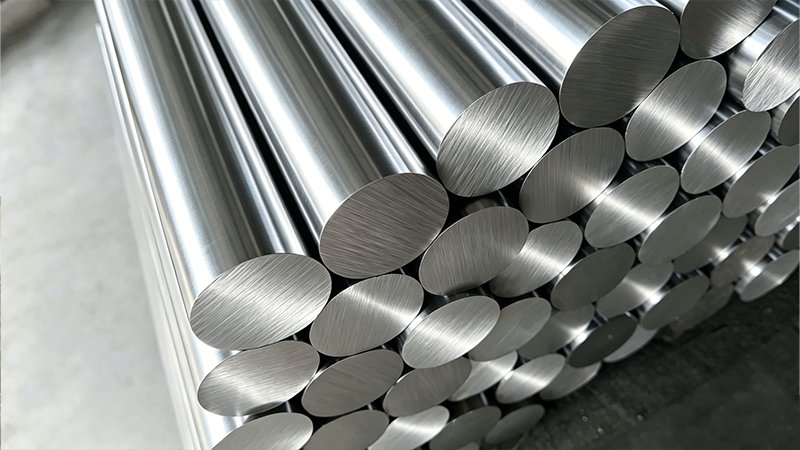
Why This Is a Process Timing Issue, Not a Chrome Quality Issue
The chrome layer itself can be perfectly correct — right thickness, right hardness, properly bonded — and flash rust can still appear if the post-plating rinse and dry sequence allows moisture to sit on the surface too long before the part moves to the next step. This distinction matters for diagnosis: flash rust appearing shortly after plating points toward a process timing or drying thoroughness issue in that specific production run, not toward a fundamental problem with the chrome deposit’s quality or thickness.
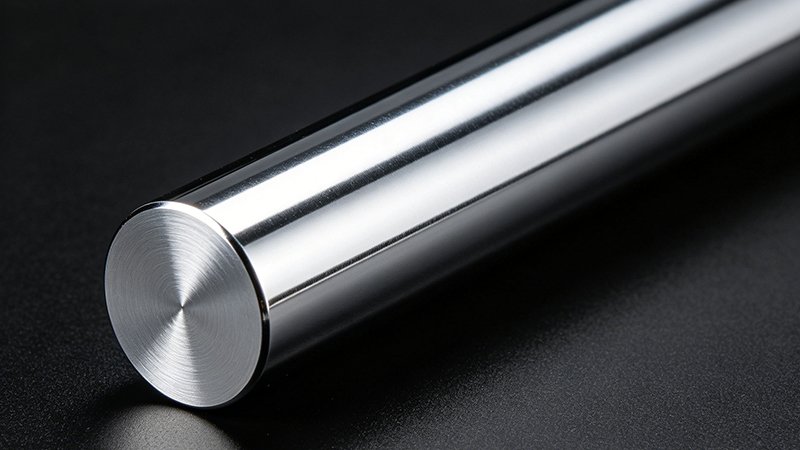
Why Rapid, Thorough Drying Matters
The practical countermeasure is straightforward in concept even though it requires real production discipline: moving parts from final rinse to thorough drying as quickly as the production flow allows, and verifying that drying is actually complete, not just visually dry on the surface while moisture remains in any surface irregularity or at part ends, before parts proceed to the next stage. A production line under time pressure that shortcuts this step, even slightly, creates exactly the conditions flash rust needs to appear.

Where in Production This Risk Concentrates
Flash rust risk concentrates specifically in the handoff between plating and whatever comes next — final inspection, packaging, or an intermediate holding area before either of those. Parts that move directly from thorough drying into protective packaging or immediate use carry much lower risk than parts that sit, even briefly, in ambient conditions with any residual moisture before packaging happens. This is why production flow design, not just the drying step itself, matters for preventing this specific defect.
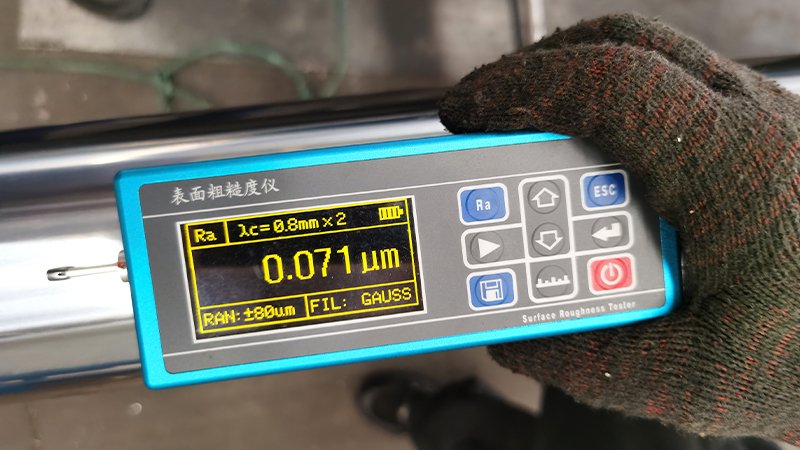
Why This Rarely Happens on Properly Processed Finished Product
Properly processed rod, dried thoroughly and packaged or treated promptly after plating, essentially never shows this issue by the time it reaches a customer — flash rust is a production-floor problem, caught and corrected before product ships, not something that should appear on received material. If a customer does see superficial surface marking on received product, it’s worth raising with the supplier as a legitimate quality question, since it suggests this specific process step wasn’t controlled as tightly as it should have been.
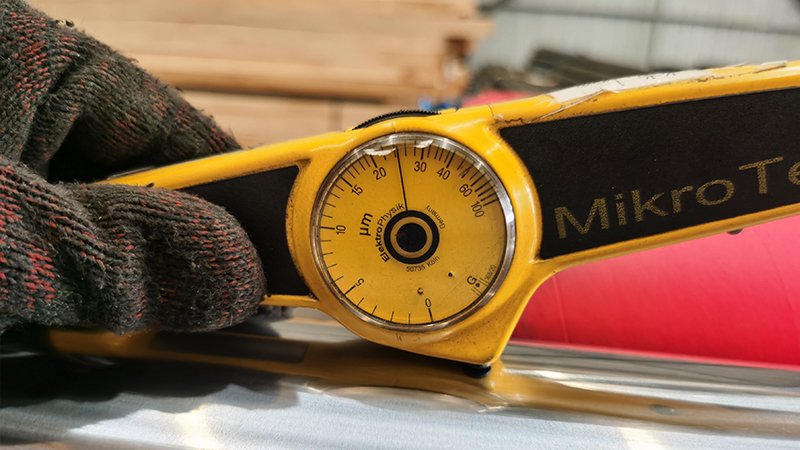
What This Means for Buyers Evaluating Suppliers
For buyers, asking a supplier about their post-plating handling process — specifically the time between final rinse and complete drying, and the handling between drying and packaging — is a reasonable way to gauge production discipline on a detail that doesn’t show up on a typical specification sheet but genuinely affects finished product quality. A supplier with tight, well-controlled process timing in this specific handoff is less likely to ship product with this kind of superficial defect.
At EAST AI, post-plating rinse and drying follow a controlled sequence specifically designed to eliminate the moisture dwell time that causes flash rust, before any rod proceeds to inspection or packaging.
Related Reading
- Chrome Rod Hydrogen Embrittlement: Why Baking After Plating Is Not Optional on High-Strength Steel
- Chrome Rod Plating Uniformity on Long Rods: Anode Positioning and Current Density
- Chrome Plated Rod Thread Rolling vs Cutting: Protecting the Chrome at the Ends
What We Offer
- Chrome plated rod with controlled post-plating rinse and drying sequence to prevent flash rust
- Production handling discipline minimizing moisture dwell time between process steps
- Transparent process documentation available for buyers evaluating supplier quality control
- Full material traceability from plating through final, verified-dry inspection
Contact EAST AI (eastai-tech.com) Email: marketdi@east-ai.cn Phone: +86 13382202696 Address: No. 108, Lunan Road, Wuxi, Jiangsu, China.
Written by Alex, Production Engineer at EAST AI