
A steel mill’s maintenance engineer once asked why hydraulic cylinders on his continuous casting line failed roughly twice as often as identical-looking cylinders on a rolling mill stand just a few hundred meters away, running similar pressures and similar cycle counts. The answer was not the hydraulics. It was the ambient environment the cylinders lived in. The casting-line cylinders sat close to radiant heat from the strand, in an atmosphere loaded with fine mill scale and cooling-water mist, while the rolling stand cylinders, though nearby, were shielded and ran in a comparatively cleaner, cooler bay. Honed tube specified for general mill duty had been installed in both locations, and only one location was actually asking for it.
This article is for steel mill maintenance engineers and equipment builders specifying honed tube for cylinders operating near casting strands, reheat furnaces, descaling stations, and other high-heat, high-contamination steel plant zones, and it explains why this duty calls for deliberate choices beyond a standard industrial specification.
Two Stresses Arriving Together
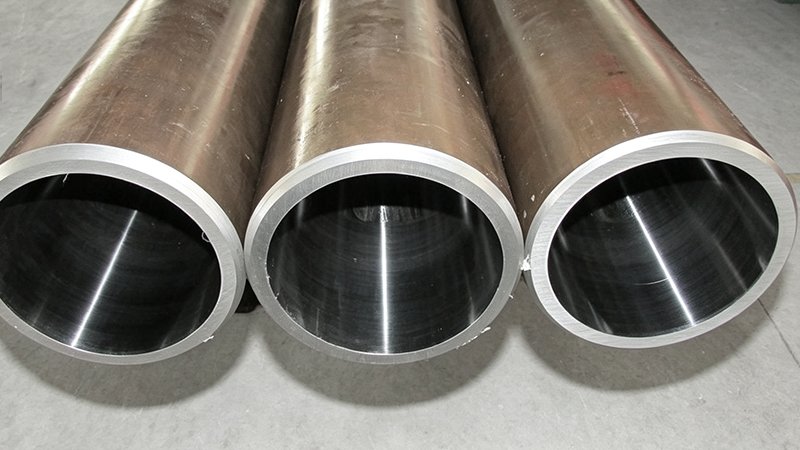
Steel mill hydraulics near casting and reheating operations face two demands simultaneously, and it is the combination, not either one alone, that shortens component life. Radiant and ambient heat raises the temperature of the cylinder body and the hydraulic fluid inside it well above what a general industrial application experiences, softening seals and accelerating oil oxidation. Fine mill scale, descaling water spray, and airborne particulate settle continuously on exposed cylinder surfaces, riding past wipers that were adequate for a cleaner environment and reaching the bore far faster than in a typical factory setting.
A honed tube and seal package that would give long service in an ordinary mill bay can wear out in a fraction of the time when both stresses are present, which is exactly why the casting-line cylinders in the example above failed twice as often despite looking identical to their neighbors.
Fluid Temperature and Its Effect on the Bore
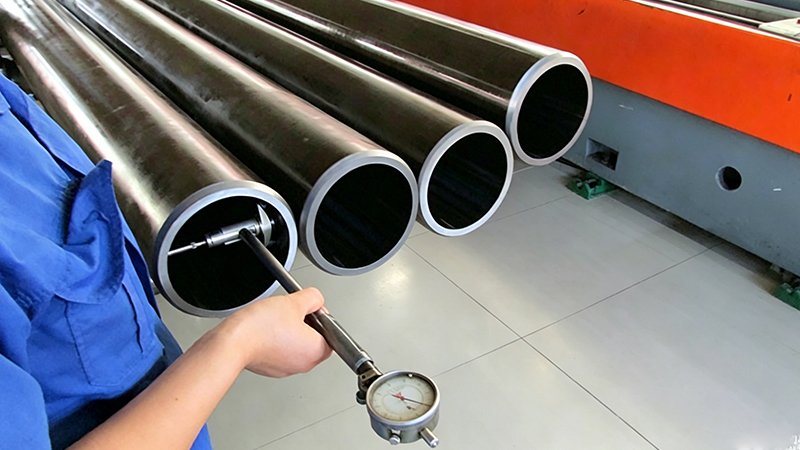
Elevated ambient and radiant heat pushes hydraulic fluid toward the upper end, or beyond, of its intended operating temperature range, thinning the oil film that protects the bore during the piston’s stroke. A thinner oil film increases metal-to-metal contact risk during operation, which accelerates wear on the honed surface over time even when the tube itself was correctly finished. Where sustained high fluid temperatures are unavoidable, selecting seal materials rated for the actual operating temperature, and specifying a bore finish that retains oil effectively even under thinned-film conditions, becomes more important than in a standard-temperature application.
Wiper and Bore Protection Against Mill Scale
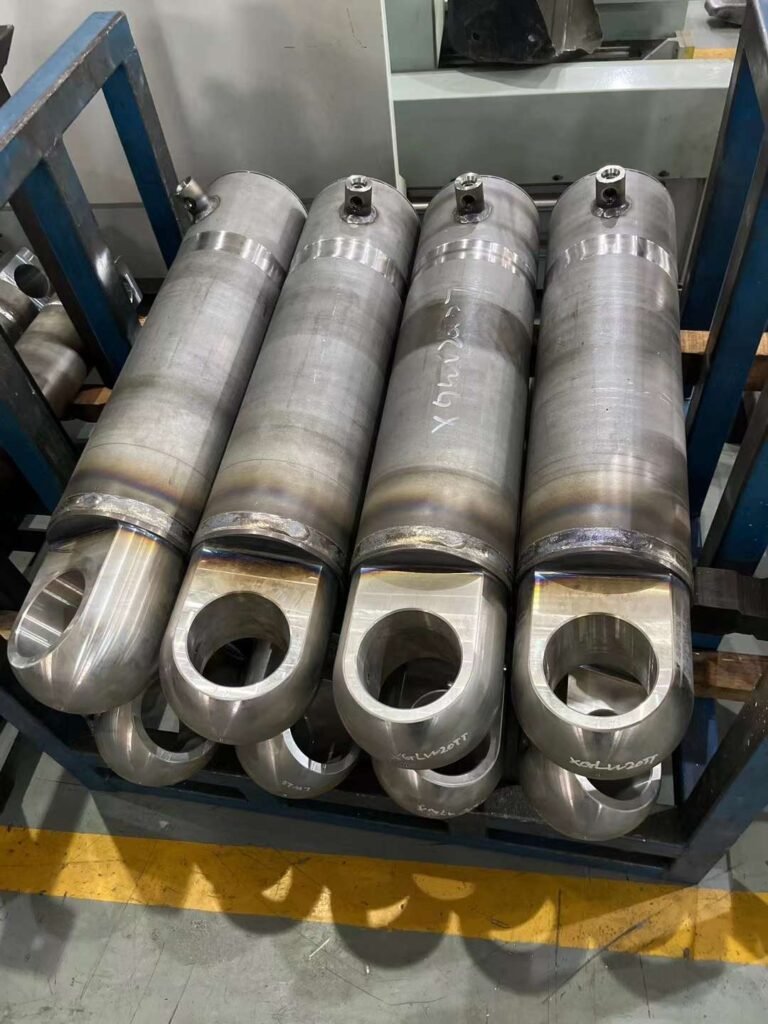
Fine mill scale is abrasive and pervasive near casting and descaling operations, and it behaves differently from ordinary dust: it is metallic, often still warm, and generated continuously rather than intermittently. A wiper seal specified for heavy abrasive duty, matched to a bore finish that resists scoring from any particles that do get past the wiper, gives meaningfully better protection than a standard-duty wiper in this specific environment. Where practical, physical shielding of the cylinder from direct scale fall and water spray reduces the load on the wiper before it ever has to do its job.
Choosing Between Standard and Chrome-Plated Bore
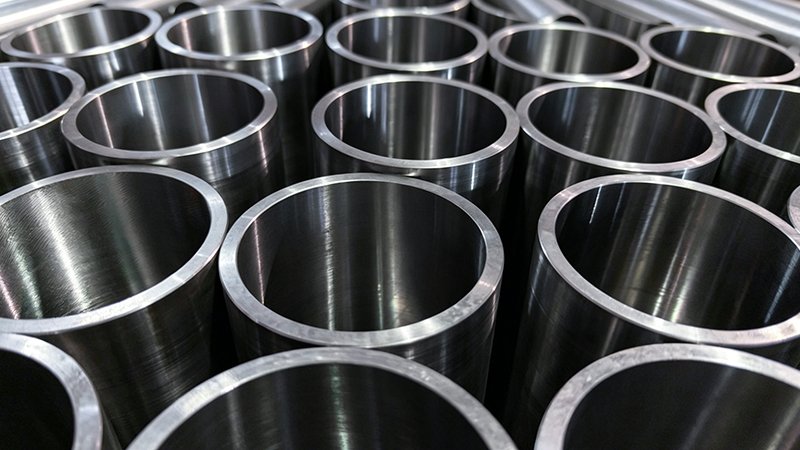
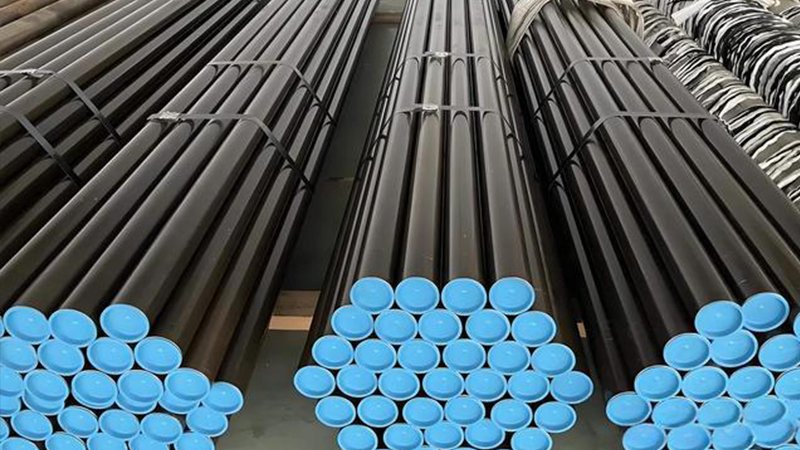
For cylinders in the most severe zones, close to the strand, in constant water spray, or exposed to concentrated scale fall, an internally chrome-plated bore offers additional protection against the combined heat and contamination exposure, extending the interval between rebuilds compared with an untreated honed bore in the same location. For cylinders in less severe zones nearby, standard honed tube with a heavy-duty wiper and appropriate seal materials for the fluid temperature is often sufficient, which is why mapping the actual severity zone by zone, rather than applying one specification across an entire line, matters for both performance and cost.
Rod Protection in the Same Environment
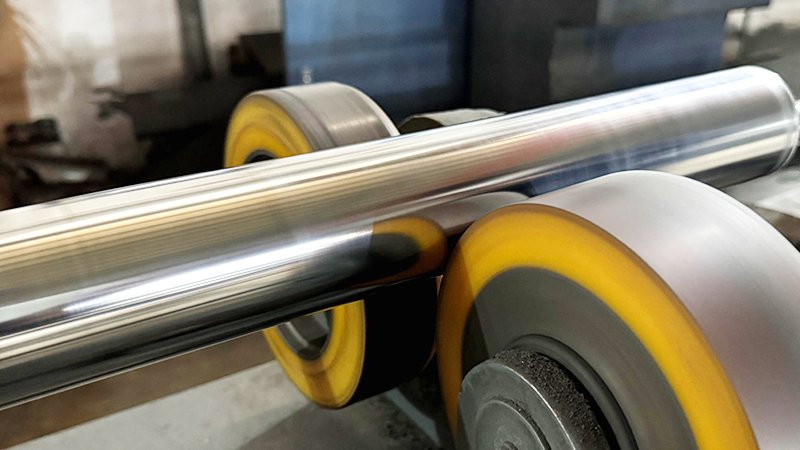
Where the application uses a chrome plated rod exposed to the same heat and scale, the same environmental mapping applies to rod specification: a rod on a cylinder shielded from direct radiant heat and scale fall can run standard chrome, while a rod on a cylinder working close to the strand or a descaling station benefits from the same attention to chrome thickness and wiper protection discussed for coastal and washdown duty, adapted here for heat and abrasive particulate rather than salt.
Mapping Severity Before Specifying
The practical lesson for a mill engineer is to treat “steel mill duty” as a range rather than a single specification. A cylinder’s actual position relative to the strand, furnace, or descaling spray, not just its general location on the line, determines how much heat and contamination it actually faces, and specifying honed tube, seals, and wipers to match that specific position, rather than a single mill-wide standard, is what closes the kind of reliability gap described between two cylinders that looked identical but lived in different worlds.
Related Reading
- Honed Tube for Water and Water-Glycol Hydraulic Systems
- Chrome Plated Rod for High-Temperature Applications: Limits and Alternatives
- Weld-On Ports and Bosses on Honed Tube: Managing Bore Distortion
Specify by Zone, Not by Line
Two cylinders on the same steel mill line can face very different heat and contamination loads. Map the severity zone by zone, and specify honed tube, chrome protection, and wipers to match what each cylinder actually faces.
What We Offer
- Honed tube with standard and internally chrome-plated bore options for high-heat, high-contamination duty
- Chrome plated rod specified for combined heat and abrasive particulate exposure
- Guidance on mapping severity zones across steel mill and casting line equipment
- Full material traceability for steel plant equipment builders and maintenance teams
Contact EAST AI (eastai-tech.com) Email: marketdi@east-ai.cn Phone: +86 13382202696 Address: No. 108, Lunan Road, Wuxi, Jiangsu, China.
Written by Alex, Production Engineer at EAST AI