
A supplier’s website says “in stock.” The sales representative confirms availability over email. The quote comes back with a two-week lead time. Three weeks later, the shipment hasn’t arrived, and the explanation is that the material was “in process” rather than finished stock, or that a larger order took priority, or that stock levels shifted since the quote. For distributors and manufacturers who’ve built their own delivery commitments around a supplier’s stock claim, this sequence of events is not just frustrating — it’s a downstream problem that arrives without warning and leaves no clean recovery option.
The gap between “in stock” as a supplier uses the phrase and “in stock” as a buyer reasonably interprets it is wider than most procurement professionals realize, and it’s wide precisely because neither party has defined what the phrase means before it becomes the basis for a planning decision.
Published: 2026-10-29 | Last Updated: 2026-10-29
What “In Stock” Actually Means to Different Suppliers
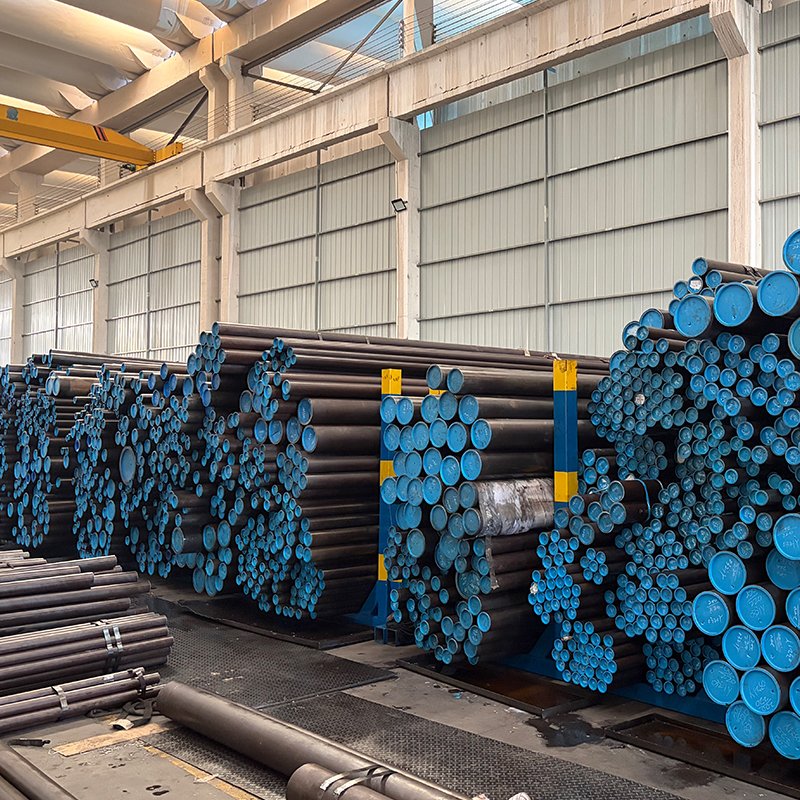
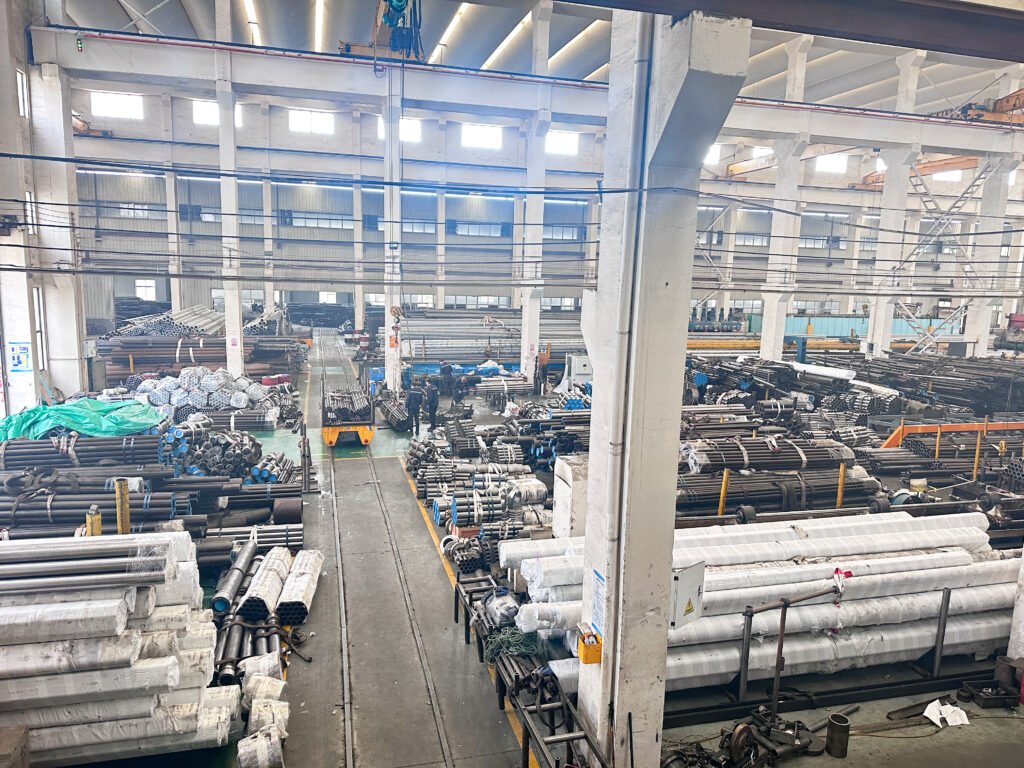
Honed tube suppliers use stock claims to describe a range of inventory positions that carry meaningfully different lead time realities:
| Stock Claim | What It Often Means | Realistic Lead Time |
|---|---|---|
| “In stock” | Finished, cut-to-standard-length, ready to ship | 3–5 business days ex-works |
| “Available” | Base material in inventory; honing and finishing required | 1–3 weeks depending on queue |
| “In process” | Material on production floor, not yet finished | 2–4 weeks |
| “Short lead time” | Mill order placed or planned; production scheduled | 4–8 weeks |
| “Can arrange” | No current inventory; will source on order placement | 6–12 weeks |
Before treating a stock confirmation as a planning input, ask the supplier specifically whether the material is finished and available for immediate dispatch, or whether any additional processing is required — this single question converts an ambiguous claim into a verifiable delivery reality.
For a distributor promising a downstream customer a delivery window, the difference between “finished, ready to ship” and “available for processing within our facility” is the difference between a delivery commitment you can keep and one you cannot.
The Production Queue Problem That Stock Claims Don’t Reveal
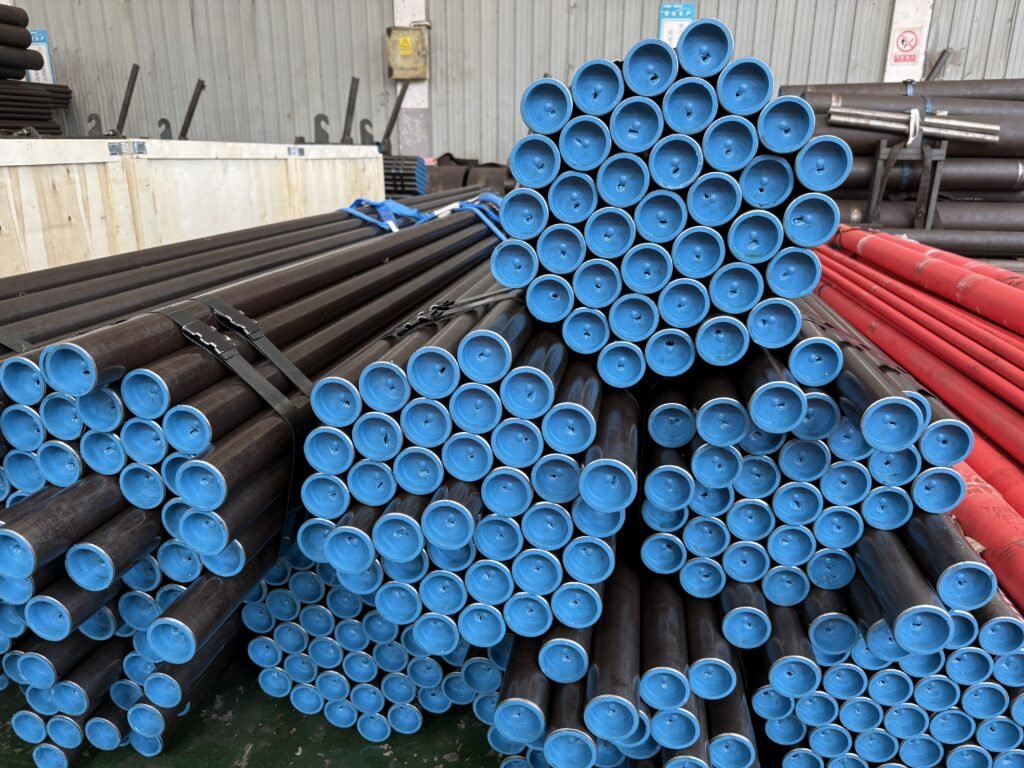
Even genuinely finished inventory carries a fulfillment time that depends on how the supplier prioritizes shipping. A supplier with ten meters of your bore size on the shelf and five active orders ahead of yours doesn’t have that material available to you on the same timeline as a supplier with ten meters of your bore size and no competing priorities. Stock claims typically describe inventory position, not fulfillment position — and for a buyer planning against a deadline, the distinction matters.
Ask a supplier not just whether the material is in stock, but what their current dispatch queue looks like for that size and when they could commit to an ex-works date — a confirmed ex-works date is a planning input; a stock confirmation without a committed ship date is not.
This question is also a useful signal about how seriously a supplier treats delivery commitments. One who answers with a specific date and a confirmation number is demonstrating operational discipline. One who responds with “should be able to get it out soon” is demonstrating that they haven’t actually checked.
How Minimum Order Quantities Interact With Stock Claims
Many honed tube suppliers maintain stock in standard mill lengths (typically 6 meters) and fulfill smaller orders by cutting to the buyer’s required length from those lengths. A stock claim on a 50mm bore, 5mm wall tube may reflect five full lengths on the shelf — but if your order is for a non-standard cut length that creates significant offcut waste, the supplier may apply a minimum order quantity or a cutting surcharge that wasn’t apparent from the initial stock confirmation.
When confirming stock availability for a specific cut length, also confirm whether the required quantity can be fulfilled from current inventory without generating a minimum order quantity issue, and what cutting lead time applies if the length isn’t a standard stock cut.
This matters particularly for distributors who regularly order unusual lengths or large quantities of specific dimensions. A supplier who stocks your bore size but typically sells in full lengths may not be able to fulfill a large order of a specific cut length from current inventory even when their stock claim is technically accurate.
Verifying Inventory Claims for Recurring Orders
For a distributor placing a first order with a new supplier, verifying the stock claim is straightforward: ask the specific questions above, get a committed ship date, and see whether the shipment arrives as promised. The harder problem is maintaining verification discipline on recurring orders with an established supplier, where the history of successful deliveries creates a reasonable assumption that stock claims can be trusted.
For high-volume recurring SKUs, periodically re-verify stock availability with a specific quantity and date request rather than relying on an unchanged standing assumption — suppliers’ inventory positions shift with production schedules and other customer demands, and a bore size that was consistently available six months ago may now be periodically stocked out.
A useful practice is to treat the first order of each quarter as a verification order: ask the specific availability questions rather than assuming the answer, and use the response to calibrate whether the supplier’s stock position for that SKU has changed. This requires minimal additional effort and catches the inventory position shift before it creates a delivery problem.
What Happens When a Supplier’s Stock Claim Turns Out to Be Wrong
When a confirmed stock claim doesn’t result in timely delivery, the immediate question is whether this is an isolated occurrence or a pattern. A single delivery delay from a well-regarded supplier with a clear explanation is different from a supplier who regularly overstates stock availability to win orders and then manages delivery expectations after the fact.
Track the accuracy of stock confirmations over time by recording the confirmed availability claim alongside the actual ship date for each order — a supplier whose actual ship dates consistently exceed their confirmed availability window by more than a week has a structural stock claim accuracy problem, not an occasional anomaly.
How Your Own Downstream Commitments Should Shape the Buffer You Build
A distributor who makes no downstream delivery commitments to customers can absorb a supplier delivery slip with minimal consequence — the order arrives late, it gets shipped on, the customer adapts. A distributor who has told a customer a specific arrival date has converted the supplier’s delivery risk into their own relationship risk, which changes the calculation for how much buffer to carry and how carefully to verify availability claims before making downstream commitments.
Before making a downstream delivery commitment to a customer on any order that depends on a supplier’s stated availability, confirm whether the commitment timeline leaves enough buffer to absorb a realistic delivery slip from that specific supplier, given their actual historical performance. A supplier who has delivered within their stated window ninety-five percent of the time in recent history supports tight commitments. One who has consistently slipped by five to ten business days supports only commitments that include at least that much buffer — regardless of what the current quote says.
This means that the delivery promise a distributor makes to a customer should be calibrated to the supplier’s actual delivery distribution, not to the supplier’s optimistic lead time quote. Building this calibration into the standard quoting process — adding supplier-specific buffer to every downstream commitment based on tracked delivery history — prevents the situation where a customer relationship suffers because a supplier delivered exactly as their track record predicted, but the distributor had ignored that track record when making the commitment.
| Claimed Ship Window | Actual Ship Performance | Assessment |
|---|---|---|
| Within stated window | Delivered within window | Reliable; stock claims are accurate |
| 1–5 days past stated window | Occasional; clear explanation provided | Acceptable; monitor for pattern |
| 5–10 days past window | Recurring across multiple orders | Stock claim accuracy is a systematic issue |
| 10+ days past window | Consistent pattern | Supplier is using optimistic claims to win orders; structural problem |
For a distributor whose own customer commitments depend on supplier delivery accuracy, a supplier in the third or fourth row of this table is an operational liability regardless of how competitive their pricing looks. The downstream cost of missed delivery commitments — customer complaints, emergency freight, relationship erosion — consistently exceeds the cost of paying a modest premium for a supplier whose stock claims are accurate.
Building Verification Into the Procurement Process
The goal is not to distrust every supplier by default — it’s to have a consistent, lightweight process that converts stock claims into verifiable commitments before they become planning inputs. Three questions, asked at every order placement, accomplish most of this:
- Is this material finished and available for immediate dispatch, or does fulfillment require additional processing?
- What is the confirmed ex-works date for this quantity?
- If anything changes between now and that date that could affect the ship window, how and when will you notify us?
A supplier who answers all three questions specifically and consistently is demonstrating the kind of operational transparency that makes their stock claims reliable planning inputs. One who deflects or hedges on any of the three is telling you, before anything goes wrong, that their stock confirmation is aspirational rather than verified.
How Seasonal and Market Demand Affects Stock Availability
Honed tube demand tends to follow industry equipment production cycles — construction equipment peaks in certain seasons, agricultural equipment in others — and a supplier’s inventory position can shift significantly over a quarter depending on how well their production schedule has anticipated these cycles. A bore size that was reliably available in Q1 may face a tighter position in Q3 if the supplier’s production planning underestimated seasonal demand from a large customer segment.
For bore sizes where your own demand is driven by a seasonal or cyclical pattern, ask your supplier whether they anticipate any inventory tightening in the relevant period and whether early commitment before peak demand would be beneficial. A supplier who understands their own production cycle well enough to flag upcoming availability constraints is giving you a meaningful planning advantage. One who only discovers tightness when your order arrives has not been tracking their own position closely enough to provide that kind of advance warning.
This seasonal dimension also suggests a practical strategy for high-volume distributors: placing framework orders for the most critical bore sizes at the start of each quarter, with specific call-off dates, locks in supply before seasonal compression reduces availability. Most suppliers accommodate this arrangement without additional cost, and it converts a reactive availability check into a proactive supply reservation that removes the verification burden entirely for the committed portion of the demand.
If you’re managing a stocking operation that depends on reliable honed tube supply — and want to work with a supplier whose availability confirmations come with a confirmed dispatch date rather than a general assurance — our team at EAST AI is glad to walk through our current inventory position and confirmation process for any active requirement: reach us at marketdi@east-ai.cn or +86 13382202696.
What We Offer
- Confirmed ex-works date provided at quotation stage, not just a stock confirmation — so your planning input is a specific date, not a general availability claim
- Finished inventory distinction clearly communicated: we specify whether material is finished-ready-to-ship or requires processing, at the time of the quote
- Proactive notification within 24 hours if any confirmed ship window changes after order placement
- Recurring customer inventory reservation available for high-volume SKUs with consistent demand patterns
Related Reading
- A Honed Tube Supplier’s Capacity Just Doubled After an Acquisition. Is That Good News or a Warning Sign?
- A Honed Tube Customer Wants a Custom Length That’s Only 50mm Different From a Standard Stock Size
- Honed Tube Products
Contact EAST AI (eastai-tech.com) Email: marketdi@east-ai.cn Phone: +86 13382202696 Address: No. 108, Lunan Road, Wuxi, Jiangsu, China.
Written by Jeff, Founder of EAST AI