
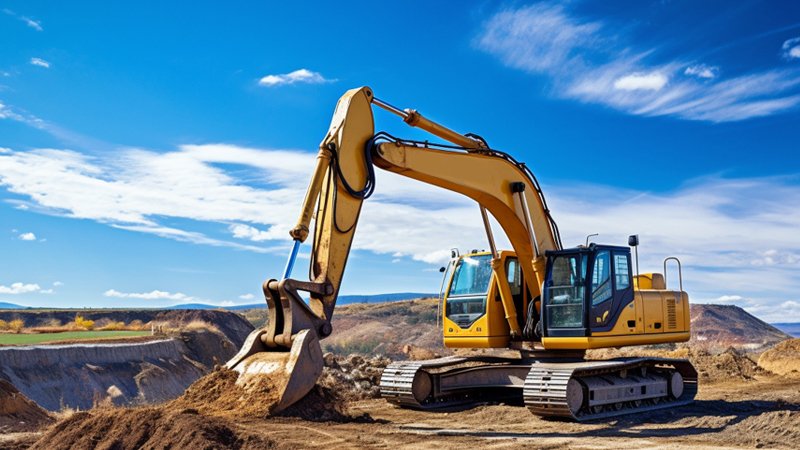
Hydraulic cylinders serve as fundamental mechanical actuators that convert fluid power into mechanical force and high-capacity linear motion across countless industrial and mobile machinery platforms. When pressurized hydraulic oil is directed by control valves into the cylinder barrel chamber, it pushes against the internal piston head, causing the attached chrome-plated piston rod to extend or retract. This smooth linear output drives boom arms, loader buckets, steering linkages, and high-capacity hydraulic lift mechanisms.
A standard double-acting hydraulic cylinder assembly consists of several precision-engineered components: a seamless honed steel barrel, a polished hard chrome piston rod, dynamic seal kits, a guide gland head, and end mounting fixtures such as spherical bearings or clevises. EAST AI manufactures complete hydraulic cylinder units alongside individual replacement core components, serving equipment manufacturers across agricultural machinery, material handling lifts, waste management trucks, and factory automation.
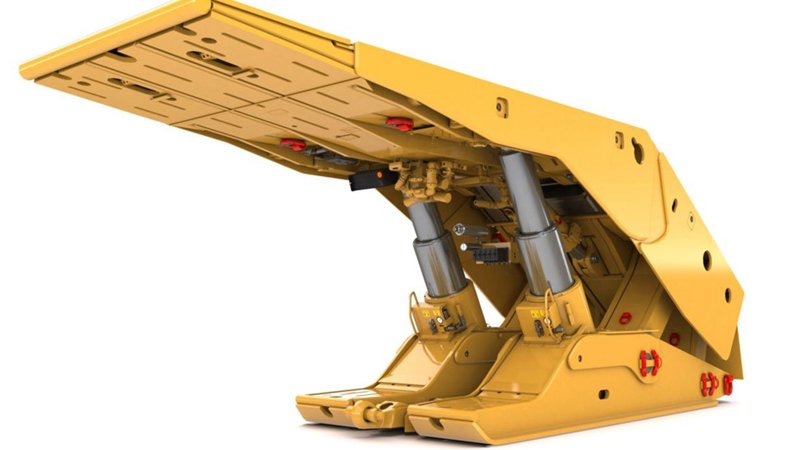
Essential Engineering Parameters for Cylinder Selection
Selecting the ideal hydraulic cylinder for a specific equipment design requires analyzing operating load limits, pump delivery pressures, mounting orientation, and environmental hazards. Selecting undersized components risks mechanical fatigue, bent piston rods, blown dynamic seals, or catastrophic structural failure on active construction sites.
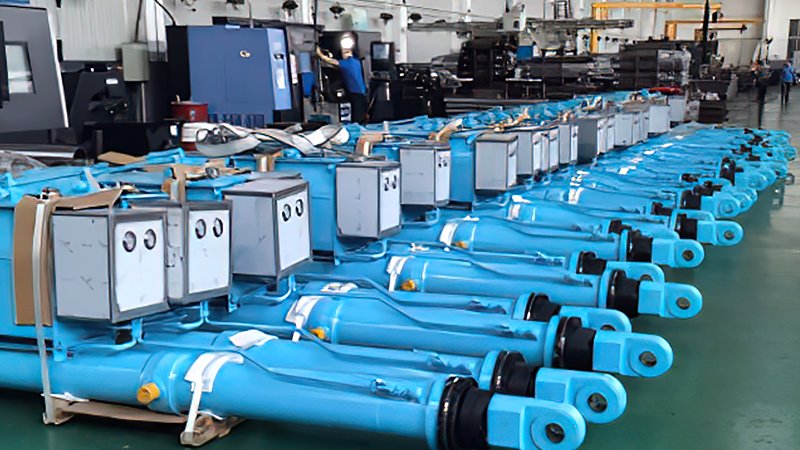
Key selection parameters include:
- Working Pressure & Stroke Requirement: Choosing matching cylinder stroke lengths (from 50 mm to 16,000 mm) and continuous pressure limits (up to 700 bar) aligned with hydraulic system capabilities.
- Bore and Rod Diameter Calculations: Calculating required push/pull forces to size internal bore diameters (40 mm to 1000 mm) and selecting rod outer diameters (12 mm to 500 mm) to prevent buckle failure.
- Surface Plating & Environmental Protection: Specifying appropriate hard chrome coating thickness (20 μm to 100 μm) or corrosion-resistant stainless alloys for units exposed to weather, salt spray, or chemical spray.
- Mounting Configuration & Load Alignment: Selecting suitable end clevises, trunnions, or flange mounts to minimize side-loading forces that cause accelerated seal bushing wear.
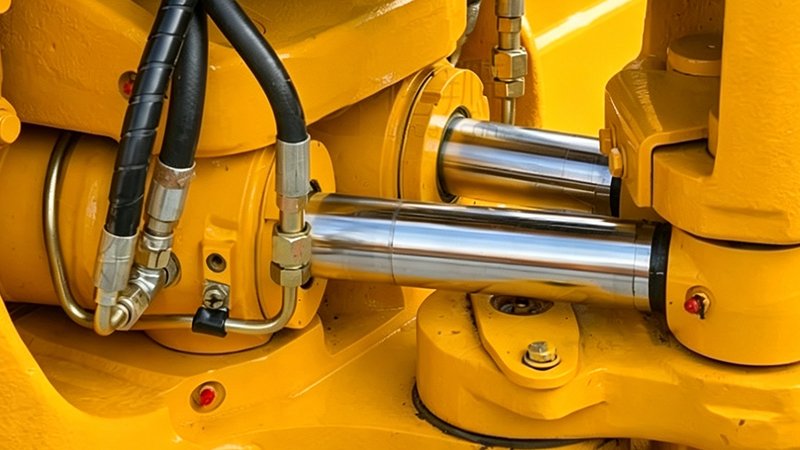
System Troubleshooting and Common Field Failures
Recognizing early warning signs of cylinder performance degradation helps field technicians address minor mechanical issues before they trigger complete system breakdown. The most frequent operational failures in mobile hydraulic equipment include unexpected drift during holding cycles, visible external fluid leakage around the gland head, erratic jerky movement, and unusual overheating during operation.
Internal fluid bypass is commonly caused by worn or hardened piston seal rings, allowing high-pressure oil to cross into the low-pressure chamber. External fluid leaks around the rod gland usually point to damaged rod seals or severe scoring on the chrome-plated piston rod surface. Scoring occurs when foreign dirt particles pass through damaged dust wipers, dragging sharp abrasives across the smooth chrome layer and creating longitudinal bypass channels.
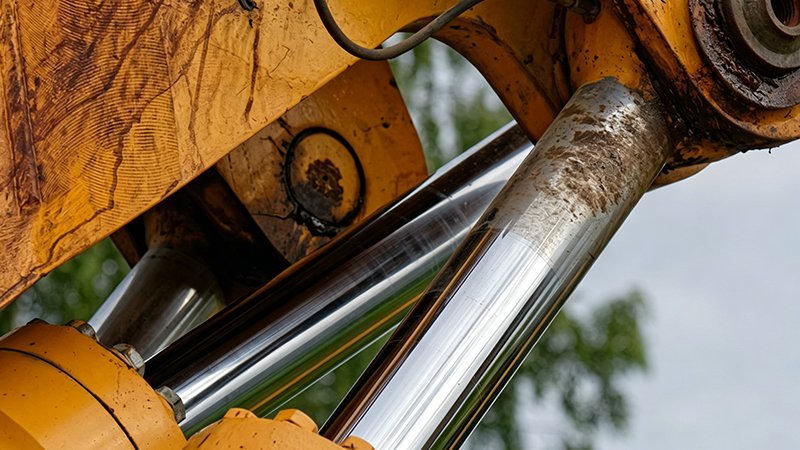
Field Maintenance Best Practices for Long Service Life
Establishing preventative maintenance schedules significantly extends the service life of hydraulic actuators and reduces costly operational downtime. Equipment operators should regularly inspect extended chrome piston rods for mechanical impact dents, deep scratches, or chemical pitting. Any raised metal burrs on the rod surface should be gently dressed down to prevent them from tearing the internal elastomeric seal lips during rod retraction.
Fluid cleanliness remains the single most vital factor in preserving hydraulic system health. Fine metal particles and environmental dirt suspended in dirty oil act as grinding compounds inside the cylinder, rapidly scouring the smooth internal honed tube wall. Installing high-efficiency fluid filters, replacing degraded oil at recommended service intervals, fitting protective flexible boots over exposed rods, and storing idle machinery with all cylinders fully retracted safeguards internal plating and sealing components.
Frequently Asked Questions
What are the primary structural components of a hydraulic cylinder? Essential parts comprise the seamless honed tube, hard chrome piston rod, piston head, gland head, dynamic seals, and mounting fittings.
How do I protect outdoor piston rods from rusting? Specify adequate hard chrome plating thickness (20–100 μm) and store inactive equipment with piston rods retracted into the housing.
What usually causes fluid to leak past hydraulic seals? Common causes include contaminated hydraulic oil, deep scratches on the chrome rod surface, or natural rubber seal aging from high thermal cycles.
Optimize Your Equipment Performance Today
Avoid costly job-site downtime with factory-tested hydraulic cylinder components. Explore EAST AI’s Component Catalog or contact our technical engineers today to order custom replacement parts and OEM actuators tailored to your equipment.