
Written by Alex, Production Engineer at EAST AI | Published October 6, 2026
An equipment operator at a cement plant called me with a frustration: “Your cylinder failed after only three years. We follow the maintenance schedule the equipment came with — oil changes, filter replacement, regular checks. Why isn’t that enough?” I asked: “Does your maintenance schedule include periodic rod inspection?” “Inspection for what?” she said. That’s the problem. Most maintenance schedules for hydraulic systems tell you to change oil and replace seals at intervals. Very few tell you to actually inspect the rod and bore for early warning signs that would prevent a failure — plating wear, scoring, corrosion initiation, hardness degradation. By the time a cylinder fails, the problem has usually been developing for months. You could have caught it with the right inspection at the right interval.
Why Standard Maintenance Intervals Miss Rod and Bore Degradation
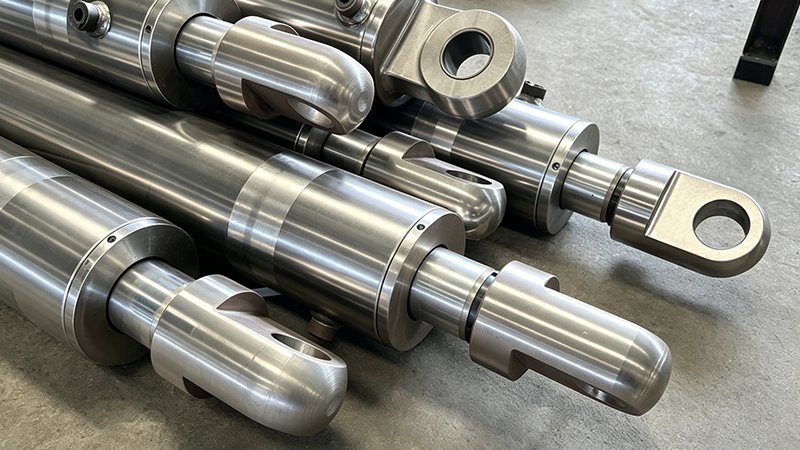
Typical hydraulic cylinder maintenance schedules are based on seal replacement intervals — usually 3,000-5,000 hours or a fixed time period. Seals get replaced routinely, which is good. But nobody’s looking at what happened to the rod or bore that made the seals wear out in the first place. What actually happens in a cylinder over its service life: months 0-12 (early service) the rod plating is intact, bore finish is nominal, seals wearing at designed rate, no problems visible. Months 12-24 (mid service) the rod plating thickness is decreasing but still protective, light scoring may be visible if surfaces are mismatched, first signs of corrosion might appear if stored outdoors, seals still working but wear rate increasing slightly — this is where inspection could catch problems but most programs don’t inspect.
Months 24-36 (later service) rod plating is thinning noticeably, if corrosion started it’s progressing faster, bore scoring deeper if surface mismatch exists, seal wear accelerating — by now, waiting until seal replacement is risky. Months 36+ rod plating may be wearing through to base metal in spots, bore surface degradation visible, seals worn beyond designed limits, oil contamination increasing from wear particles — the cylinder is now at high risk of failure. The operators don’t see any of this happening. They just change seals when scheduled and hope the rod and bore hold up.
The Inspection Schedule That Actually Works
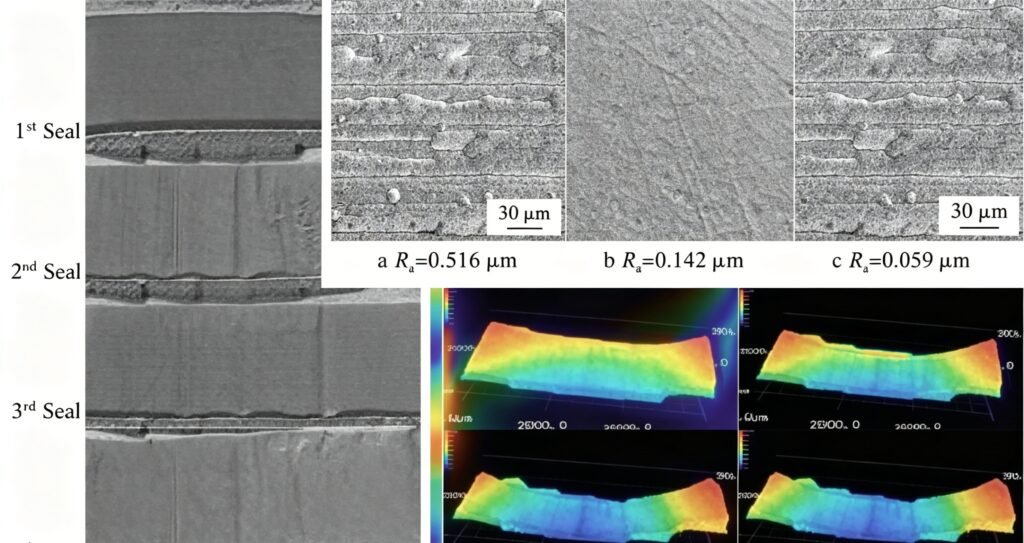
For equipment with moderate duty cycle (2,000-5,000 hours per year): every 1,000 operating hours or 12 months (whichever comes first) — visual inspection of rod surface for scoring, pitting, or corrosion initiation, rod straightness check (simple bent indicator or straightedge), check oil cleanliness (particle count), document any visible changes. Every 2,500 operating hours or 2 years — rod surface hardness spot-check (hardness tester) to verify chrome hasn’t worn through, rod plating thickness measurement at one location (ultrasonic thickness gauge), bore visual inspection via borescope if accessible, oil analysis (wear metals content), document all measurements.
Every 5,000 operating hours or seal replacement interval — standard seal replacement, full rod surface inspection and documentation, if any scoring or corrosion found re-coat or replace rod, bore final inspection before reassembly, full oil system flushing. At 10,000 operating hours or end of design life — end-of-life assessment (is rod still serviceable?), bore condition assessment, recommendation (recondition cylinder or replace?).
Real Cement Plant Implementation
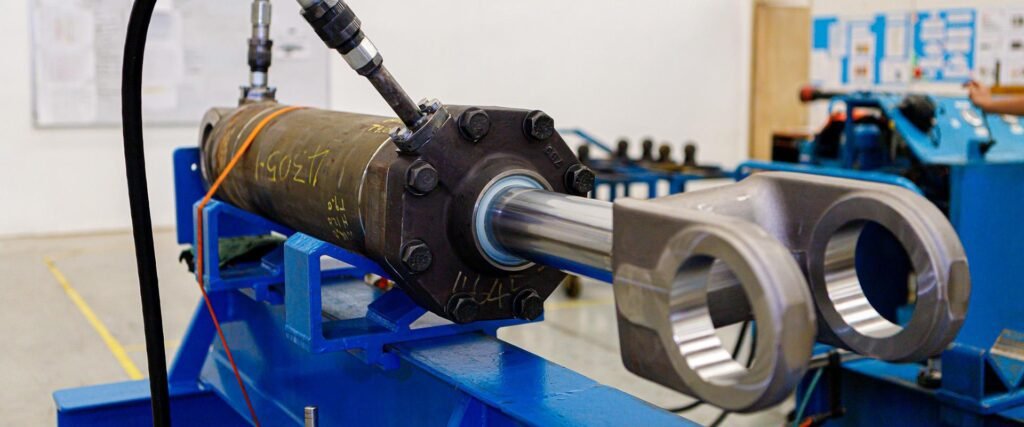
That cement plant operator? Here’s what we implemented. Baseline situation: 20 main drive cylinders on cement mixers, operated 3,000-4,000 hours per year each, outdoor storage between seasons, following standard “change oil and seals” maintenance, cylinder failures at 2.5-3.5 years with expensive downtime. What we recommended: 1,000-hour visual inspection (simple, free), 2,500-hour plating thickness check (15 minutes, one gauge reading), full inspection at seal replacement (5,000 hours, already planned), document all findings on rod condition tracking sheet. What happened: year one, one cylinder showed early corrosion at 2,000 hours, caught early via visual inspection, applied supplementary corrosion coating, rod saved. Year two, three cylinders showed plating thinning at thickness check, rods replaced proactively before wear-through, seals lasted their full designed interval. Year three, two cylinders showed early scoring pattern, bore surfaces re-finished, extended cylinder service life another 2+ years.
Results: unplanned failures dropped from 3-4 per season to zero, maintenance costs actually decreased (small preventive work replaces expensive emergency repairs), equipment uptime improved from 94% to 98%, total maintenance cost decreased 25% despite adding an inspection program. The payback from preventing just one cylinder catastrophic failure exceeded the total annual inspection program cost.
Tools Needed for Rod and Bore Inspection
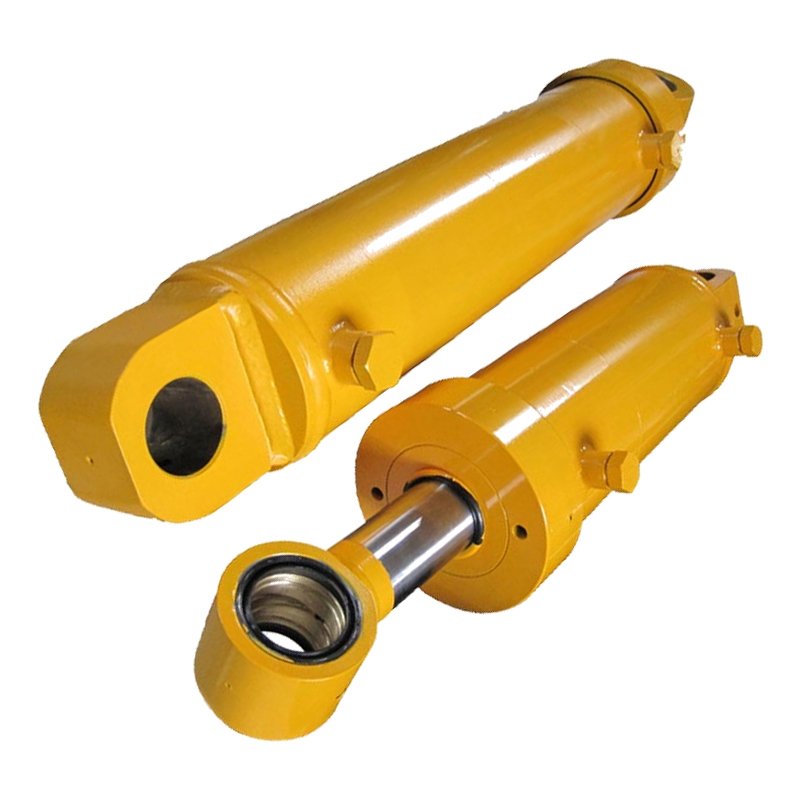
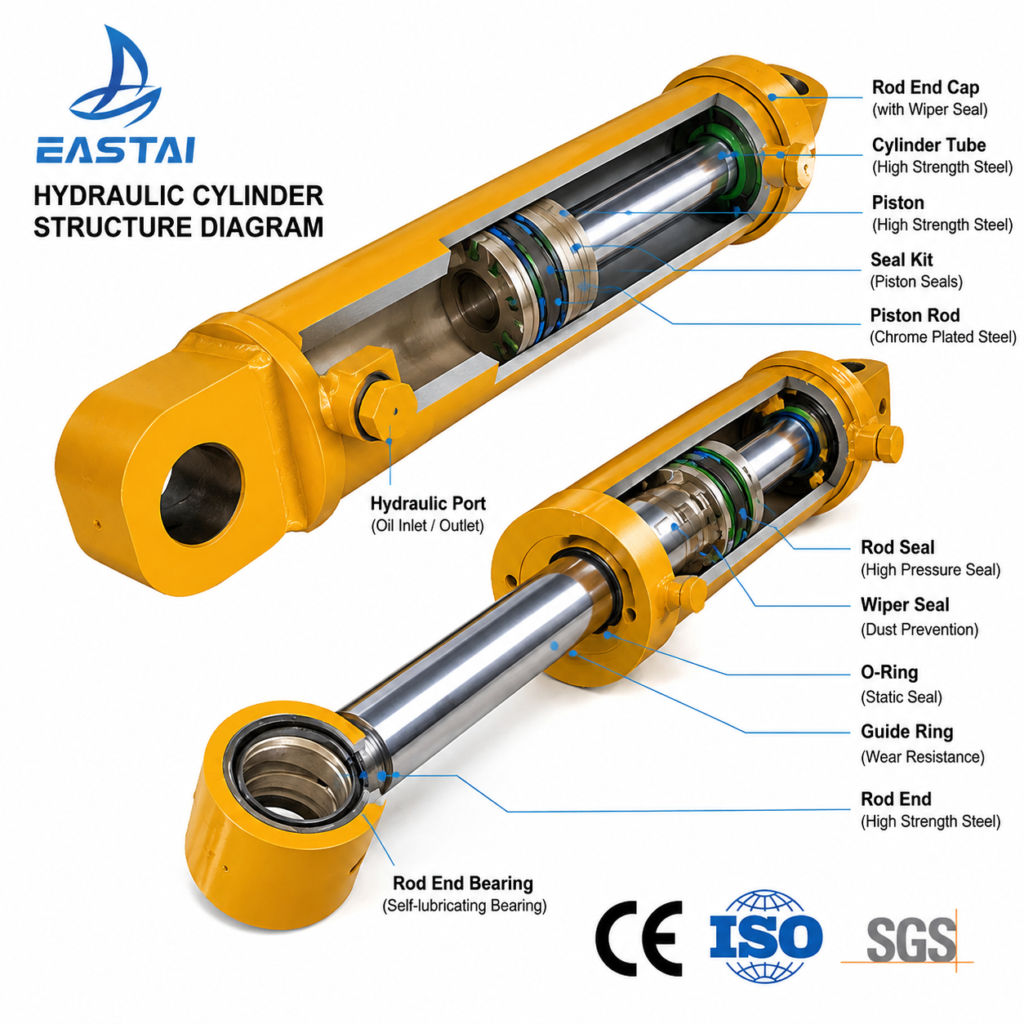
You don’t need expensive equipment. For 1,000-hour visual inspection (free/low cost): good lighting (LED flashlight), magnifier or jeweler’s loupe (10-20x magnification), straightedge or bent indicator, notebook for documentation, 15-30 minutes per cylinder. For 2,500-hour condition check (moderate cost, ~500−1,000 one-time): ultrasonic plating thickness gauge (~300−500), hardness tester or surface hardness indicator (~200−400), oil analysis kit or viscometer (50−200), 30-60 minutes per cylinder. For detailed bore inspection (optional): bore scope camera (~300−600), surface profilometer for advanced wear measurement (~$1,000+), these are nice to have but not essential for most programs.
Documentation and Trending
Create a simple tracking sheet for each critical cylinder. Document: cylinder ID, equipment, installation date. For each inspection record: inspection date, operating hours, rod surface condition (clean/scoring/pit), plating thickness in micrometers (measure), hardness in HRC (test), notes, action taken. This simple document shows trends over time (is plating thinning faster than expected?), catches early warning signs (first signs of corrosion, scoring starting), justifies preventive action (data shows why re-coating or replacement is needed), proves you’re maintaining equipment properly (valuable for liability).
Decision Rules for Maintenance Action
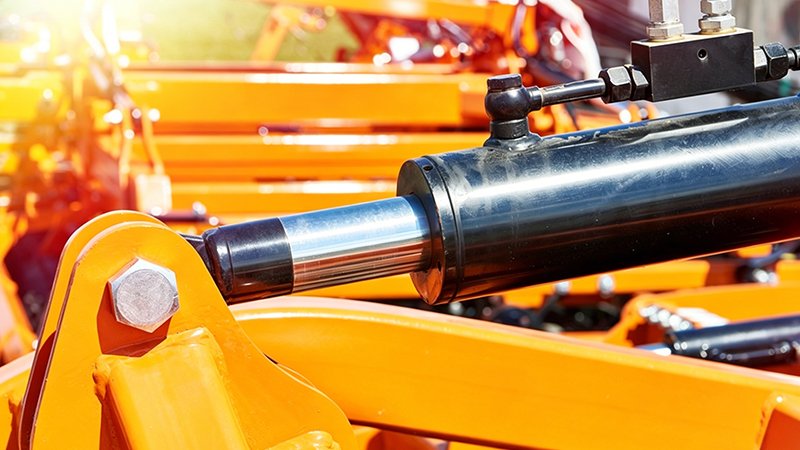
If rod surface scoring is visible: replace seals immediately and apply fresh oil, monitor closely at next inspection, if scoring progresses consider bore reconditioning or rod replacement. If plating thickness drops below 20 µm: plan rod replacement in next maintenance window (don’t wait for failure), continue normal operation but increase inspection frequency. If corrosion is visible on plating: clean and re-coat rod surface, address storage conditions preventing future corrosion, if corrosion is deep pitting consider rod replacement. If bore shows heavy scoring: replace rod at next seal change, consider bore polishing/refinishing if available, if bore damage is severe replace cylinder. If hardness check shows HRC below 40: rod heat treatment has been compromised (overheating during service), replace rod immediately, investigate if operating conditions exceeded design limits.
Setting Up Your Program
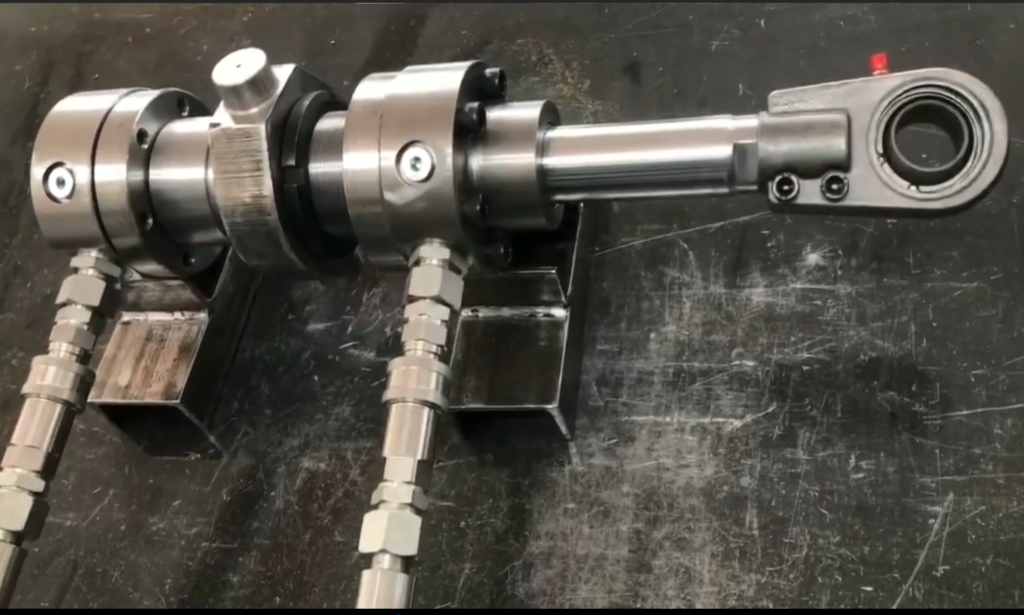
Step one: identify your critical cylinders — which would cause production downtime if they failed? Which are most expensive to replace? Which are difficult to access? Start with these. Step two: establish baseline condition — inspect each critical cylinder now (even if only visual), document surface condition and note existing issues, create tracking sheet. Step three: schedule inspections — mark 1,000-hour and 2,500-hour dates on maintenance calendar, assign responsibility, keep it simple (most inspections take 30-60 minutes). Step four: take action on findings — use decision rules above, plan repairs in maintenance window, document what was done. Step five: review trends — every 12 months look back at tracking sheets, are rods degrading faster than expected? Are bore surfaces holding up? Use data to refine inspection intervals if needed.
Return on Investment
Implementing a basic rod and tube inspection program costs: tools 500−1,000 one-time, labor 30-60 minutes per cylinder per cycle, 2-4 cycles per year, for 10 cylinders with 3 inspections per year that’s ~30-60 hours labor annually. Value delivered: prevented one unplanned failure worth 5,000−20,000 (depends on downtime cost), extended cylinder service life 2,000−5,000 per cylinder, improved equipment uptime (difficult to quantify but significant). ROI breakeven: usually within first year, often within 6 months of catching one would-be failure.
External References:
- ISO 11159: Hydraulic Fluid Power — Condition Monitoring of Systems
- ISO 13373-1: Condition Monitoring and Diagnostics — Vibration Condition Monitoring and Diagnostics
- NFPA T2.16.1: Planning for Preventive Maintenance
- Society for Machinery Failure Prevention Technology — Predictive Maintenance Guidelines
Build an Engineering-Based Maintenance Program That Prevents Failures
Stop running maintenance schedules designed for average equipment under unknown conditions. EASTAI-TECH’s reliability engineering specialists help equipment manufacturers and operators implement predictive maintenance programs specifically designed for hydraulic cylinders and their duty cycles. Whether you’re designing maintenance schedules for new equipment or implementing condition monitoring for existing systems, we provide engineering guidance backed by field-proven inspection protocols and maintenance decision frameworks.
What We Offer:
- Maintenance schedule development based on your specific equipment duty cycle and operating conditions
- Inspection protocol design with detailed decision rules for maintenance action
- Training and guidance on rod hardness testing, plating thickness measurement, and bore condition assessment
- Condition monitoring documentation templates and trending analysis support