
Written by Alex, Production Engineer at EAST AI
Every so often we get a call from a cylinder builder who has sourced an excellent honed tube from one supplier and an excellent chrome plated rod from another, assembled them into a cylinder, and ended up with a product that leaks or wears out faster than either component’s individual quality would suggest. The components were each fine on their own, and the frustration is understandable, because it seems as though two good parts should make a good cylinder. The missing piece is that a hydraulic cylinder is a matched system, and the bore and rod have to be specified to work together, not merely to be individually good.
This system view is easy to lose when the tube and rod are treated as separate purchasing decisions, each optimized against its own specification. The seals that keep the cylinder sealed run against both the bore and the rod, and their performance depends on how the tolerances, finishes, and duty ratings of the two components combine at the interface where the seal actually lives. Understanding that interaction is what turns two good components into a reliable cylinder, and getting it wrong is what turns them into a warranty claim, which is why the matching deserves attention in its own right.
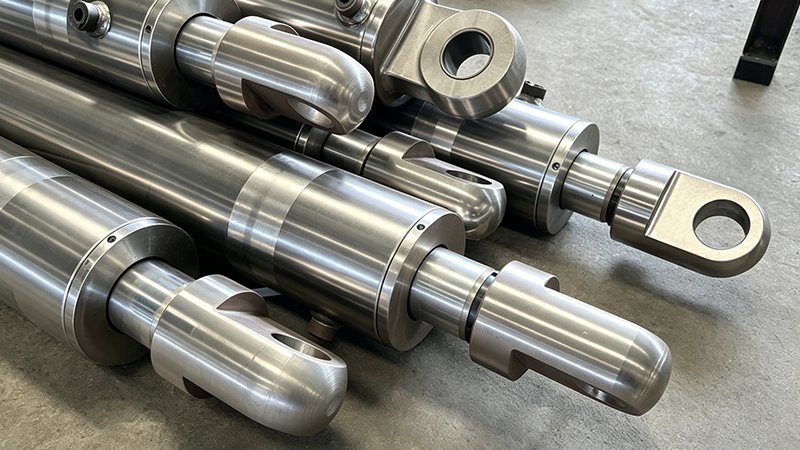
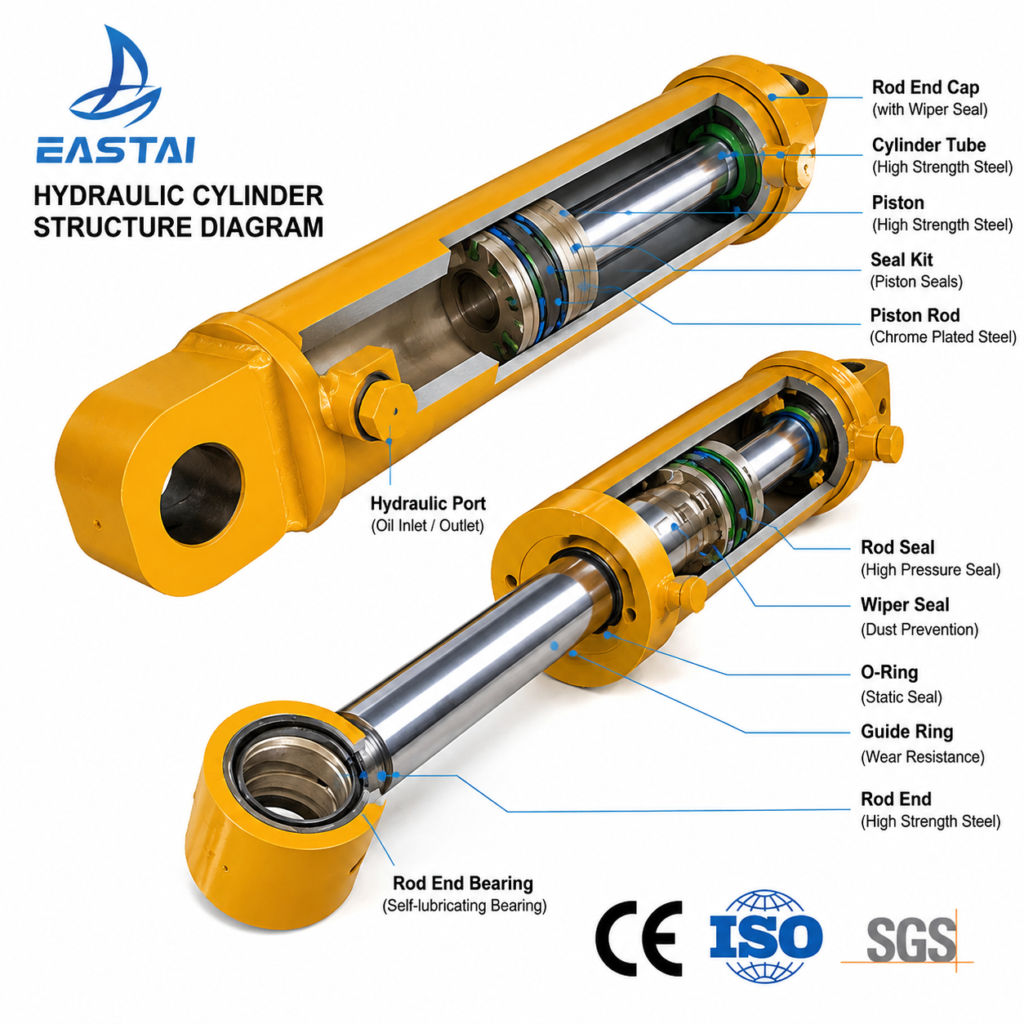
The Seal Lives Between the Two Components
The heart of the matter is that the seal package is the meeting point of the tube and the rod, and it is designed to operate within a specific window of dimensions and surface conditions on both. The piston seal runs against the bore and the rod seal runs against the rod, and each seal is engineered to accommodate a defined range of clearance, surface finish, and geometry. When the bore and rod are each specified without reference to the seals or to each other, it is entirely possible to end up with two components that individually meet their specs but together push the seal outside the window it was designed for.
This is why the seal package should be chosen alongside the bore and rod rather than after them, because the seal defines the requirements that both components have to satisfy at their shared interface. A bore tolerance, a rod tolerance, and a seal design that were selected together form a coherent system, while the same three chosen independently may or may not fit. The cylinder builder who starts from the seal and works outward to the bore and rod tends to get a reliable cylinder, while the one who bolts together separately optimized parts is relying on luck that the windows happen to overlap.
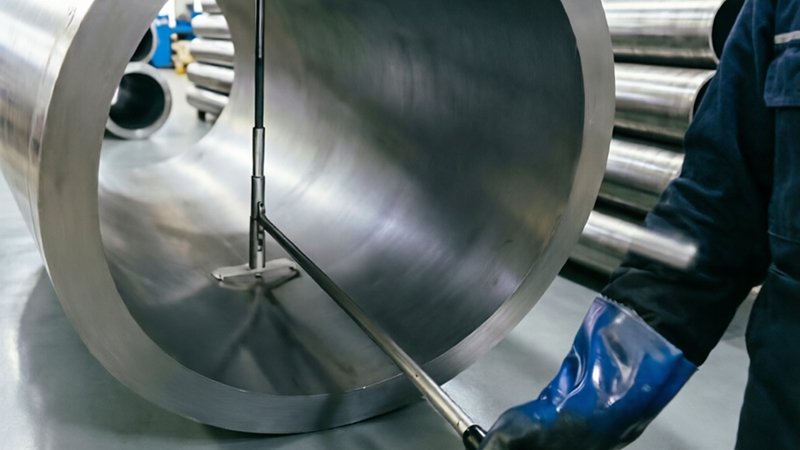
Tolerance Grades Have to Agree
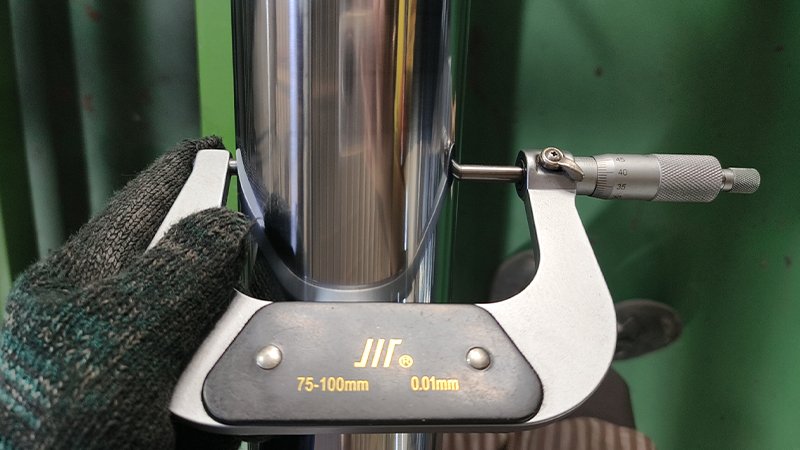
Honed tube bore tolerance and chrome plated rod diameter tolerance are usually specified in ISO tolerance grades, and those grades have to be chosen so that the resulting clearances and fits suit the seal and the application. A bore held to H8 and a rod held to a matching grade produce a clearance that the seal can accommodate, while a mismatch, such as an overly tight or overly loose combination, either binds or leaks. The tolerance grade is not a quality score where tighter is always better; it is a fit specification, and the bore and rod grades have to be chosen as a pair to produce the intended fit.
The consequences of a tolerance mismatch are concrete and show up quickly in service. Too much clearance between the running components lets the seal work harder to bridge the gap, accelerating wear and inviting leakage, while too little clearance risks binding, high friction, and uneven seal loading. Because the fit is a property of the bore and rod together, specifying one without the other is specifying half of a decision, and the half that is missing is exactly the half that determines whether the seal runs in its designed window. This is where an ISO tolerance system pays off, because it gives a common language for specifying both components so their fit is intentional.
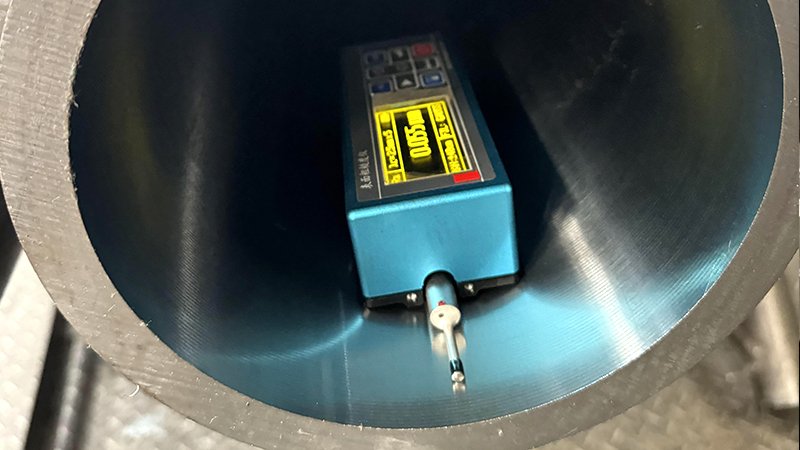
Surface Finish Works as a Pair
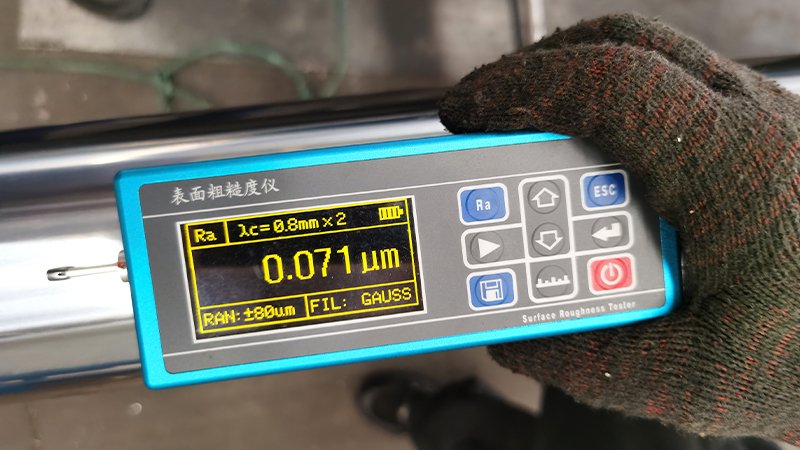
Surface finish is the other half of the interface, and here too the bore and rod have to be considered together because the seal runs against both surfaces. The honed bore carries its characteristic cross-hatch finish in the Ra 0.4 to 0.8 micron range to retain a lubricating oil film, and the chrome rod carries its own controlled finish appropriate to the rod seal. Each finish is chosen to give its seal the right balance of lubrication and sealing, and a mismatch on either surface, too rough and it abrades the seal, too smooth and it starves the seal of lubricating film, undermines the whole assembly.
The reason this has to be coordinated is that the same lubricating oil and the same operating conditions act on both interfaces at once, and a cylinder that lubricates well at the bore but poorly at the rod, or vice versa, will fail at the weaker interface. Matching the finishes means recognizing that the tube and rod are two halves of one sealing system sharing one fluid and one duty cycle. When both surfaces are finished to suit their seals and their shared environment, the cylinder runs smoothly and the seals last, which is the practical payoff of treating finish as a paired specification rather than two independent ones.
Duty Rating Should Be Consistent
It makes little engineering sense to pair a heavily over-specified component with a marginally specified one, yet it happens whenever the tube and rod are bought on separate logic. A cylinder built with a rod engineered for severe corrosive duty and a tube barely adequate for the pressure, or the reverse, is only as reliable as its weaker half, and the money spent over-specifying the stronger half is largely wasted. The sensible approach is to rate both components consistently to the same duty, so that neither is the obvious weak point and neither carries unnecessary cost.
This consistency extends across all the parameters that duty drives: pressure rating and wall thickness on the tube, base steel strength and chrome thickness on the rod, and corrosion protection on both. A construction cylinder needs a tube and a rod that are both built for shock, abrasion, and contamination, while an indoor press needs neither over-built, and mixing the two philosophies within one cylinder produces an unbalanced product. Rating the whole cylinder to one honest duty specification, and then specifying both components to meet it, is what produces a balanced, cost-effective, reliable assembly.
Building the Cylinder as One System
The clean way to build a reliable cylinder is to start from the application and the seal, then specify the honed tube and chrome plated rod together to serve them, matching tolerance grades, coordinating finishes, and rating both components to the same duty. Done this way the cylinder is a coherent system in which the bore, rod, and seal all operate in the windows they were designed for, and the reliability that results is far greater than what independently optimized parts would deliver. This is the fundamental reason that sourcing tube and rod from a supplier who understands both, and understands how they meet at the seal, has real value.
For the builder who called us with two good components and one leaking cylinder, the resolution was to step back and specify the bore, rod, and seal as a matched set for the actual application, rather than as three separate best-of purchases. Once the tolerances agreed, the finishes suited their seals, and both components were rated to the same duty, the leak disappeared and the cylinder performed as its component quality had always promised. That is the whole argument for treating a hydraulic cylinder as a matched system, and it is the perspective we bring when we supply the honed tube and chrome plated rod that go into one together.
Related Reading
- Chrome Plated Rod for Wind Turbine Pitch and Yaw Cylinders: Fatigue Life Under Continuous Micro-Cycling
- Honed Tube for Crane and Lifting Equipment: Long-Stroke Straightness Requirements
- Chrome Plated Rod for Offshore and Marine Deck Equipment: Corrosion Resistance Beyond Standard Chrome Plating
Source Bore and Rod That Are Built to Work Together
Two excellent components can still make a poor cylinder if their tolerances, finishes and duty ratings were never matched at the seal where they meet. At EAST AI we manufacture both honed tube and chrome plated rod, so we can specify them as one system, matched in fit, finish and duty for your application, giving you a cylinder that performs as well assembled as its components do on paper.
What We Offer
- Honed tube and chrome plated rod specified together as a matched sealing system
- Coordinated ISO tolerance grades for intentional bore-to-rod fit and clearance
- Bore cross-hatch and rod finishes matched to your seal package and lubrication
- Consistent duty rating across tube and rod, from indoor presses to heavy field equipment