
Written by Alex, Production Engineer at EAST AI
An engineer once told us his cylinders were leaking despite a bore finish that measured perfectly against his specification, and he could not understand how a bore that hit its roughness target could still fail to seal. When we looked at the assembly, the answer was that his seal package had changed to a PTFE-based design while his bore finish specification had stayed the same as it had been for his old elastomer seals, and the two were no longer matched. The bore was fine in absolute terms; it was simply the wrong finish for the seal now running against it, which is a distinction that catches out more designers than you might expect.
Bore surface finish is often treated as a single target number to be met, but the finish a honed tube actually needs depends on the type of seal that will run against it, because different seal materials interact with the bore surface in different ways. Polyurethane, PTFE, and elastomer seals each have their own preferences for roughness and surface texture, and a finish that suits one can under-perform with another. For the engineer specifying a cylinder, understanding this seal-dependent relationship is what turns a bore finish from a generic number into a parameter genuinely matched to the sealing system.
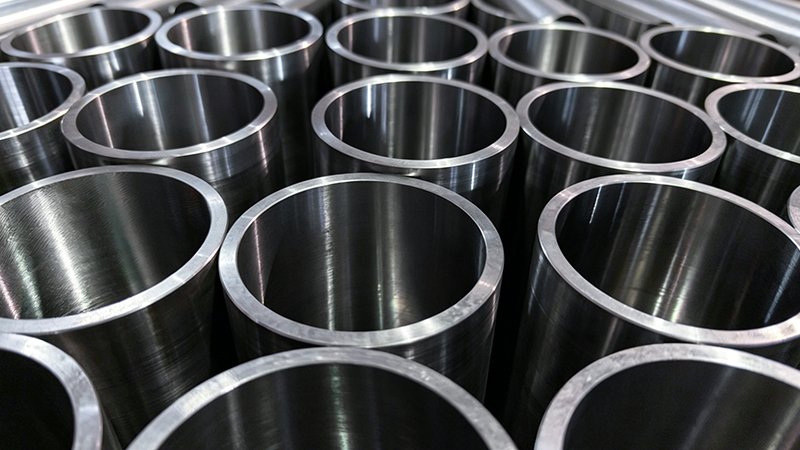
The Bore Finish Is a Tribological Surface
The reason bore finish matters so much is that the interface between the seal and the bore is a tribological system, in which a thin film of hydraulic fluid must be maintained to lubricate the seal while still preventing leakage. The honed surface is not meant to be perfectly smooth; its controlled roughness and cross-hatch pattern retain a lubricating film that keeps the seal from running dry against bare metal, which would cause rapid wear and high friction. At the same time the surface must not be so rough that it abrades the seal or provides leak paths, so the finish sits in a balanced window between too smooth and too rough.
This balance is why average roughness alone, the familiar Ra value, does not fully describe a sealing surface, because the shape of the profile matters as much as its average height. A surface with the same Ra can have sharp peaks that abrade a seal or plateaued peaks with fine valleys that retain oil while running gently against it, and these behave very differently in service. The honing process, and in particular plateau honing which removes the sharp peaks while preserving the oil-retaining valleys, is what produces a surface whose profile shape suits sealing, and different seals want that profile tuned differently.
Polyurethane Seals and Their Finish Window
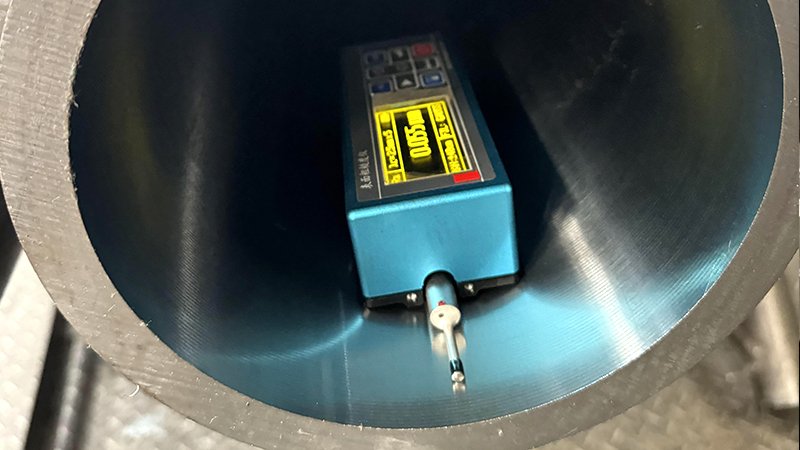
Polyurethane seals are widely used in hydraulic cylinders for their good wear resistance and extrusion resistance, and they run against the bore with a finish window that reflects their relatively firm, resilient nature. A polyurethane seal generally works well with a honed cross-hatch finish in a moderate roughness range that retains enough lubricating film to prevent dry running while presenting a surface smooth enough not to abrade the seal lip over its life. The cross-hatch angle and the plateau character both play into how well the film is maintained, and a well-honed bore gives the polyurethane seal the lubrication it needs for long life.
Because polyurethane is more tolerant than some materials but still sensitive to a surface that is too rough, the finish specification for a polyurethane-sealed cylinder aims for that balanced middle window rather than the extremes. Too rough a bore accelerates lip wear and can generate leak paths as the seal wears, while too smooth a bore starves the interface of lubricating film and raises friction and stick-slip. Specifying a honed finish tuned to the polyurethane seal, typically the familiar Ra 0.4 to 0.8 micron cross-hatch with good plateau character, gives this common seal type the surface it was designed to run against.
PTFE Seals Demand a Smoother, Different Surface
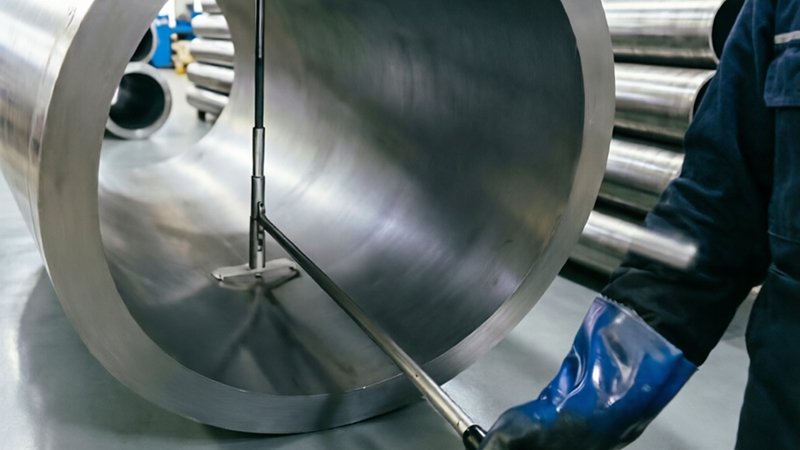
PTFE-based seals, often used as the dynamic sealing element in high-performance and low-friction applications, interact with the bore quite differently from elastomeric seals and generally prefer a smoother surface. PTFE has a low coefficient of friction and does not rely on the same lubricating film mechanism in the same way, and it can be more sensitive to surface asperities that would abrade or score the relatively soft PTFE element. A bore finish that was ideal for a rugged elastomer seal can be too rough for a PTFE seal, leading to accelerated seal wear and the kind of leakage the engineer in our example experienced.
This is exactly why a finish specification cannot simply be carried over when the seal technology changes, because the PTFE seal wants a smoother, often finer surface than the elastomer it replaced. The transition to a PTFE-based package should trigger a review of the bore finish, typically toward the smoother end of the range or beyond, with attention to the profile shape so that the PTFE runs against a surface that supports rather than abrades it. Matching the bore to the PTFE seal’s preferences, rather than assuming the old finish still applies, is what prevents the puzzling leakage of a bore that meets an outdated specification.
Elastomer Seals and Film Retention
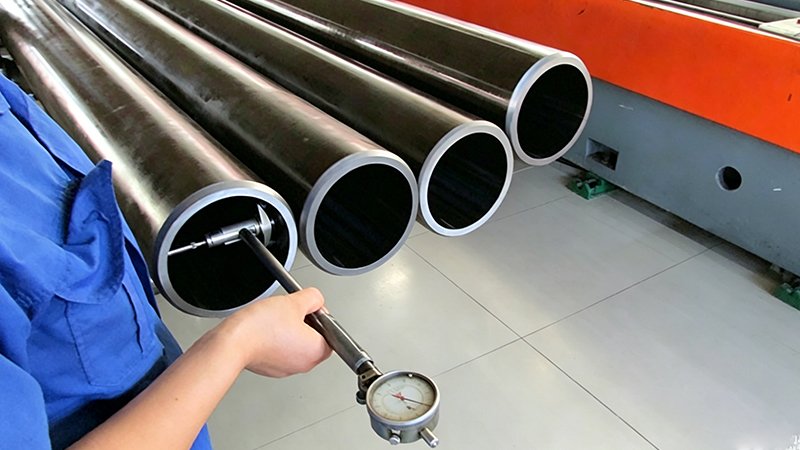
Traditional elastomer seals, such as nitrile and similar rubber compounds, rely heavily on maintaining a lubricating film and are relatively forgiving of a surface that retains oil well, so they tend to want a finish with good film-retaining character. These softer seals conform to the surface and depend on the honed valleys to hold the fluid film that keeps them lubricated and cool, and a surface that is too smooth can actually starve an elastomer seal and cause it to run hot and wear. The cross-hatch pattern is particularly important for these seals because its intersecting valleys distribute and retain the lubricating film across the sealing contact.
At the same time an elastomer seal, being softer, can be damaged by a surface that is too rough or that has sharp peaks, so even the forgiving elastomer wants a controlled, plateaued finish rather than a raw honed surface. The window for elastomer seals therefore emphasizes film retention while still requiring the sharp asperities to be removed, which is again what a properly executed plateau hone delivers. Understanding that elastomer seals favor film retention, PTFE seals favor smoothness, and polyurethane sits in a balanced middle is the core of matching the bore to the seal.
Specifying the Finish for the Actual Seal
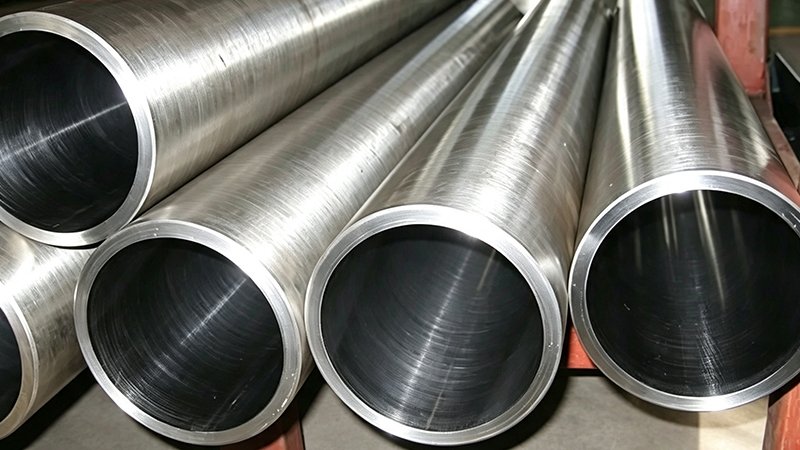
The disciplined approach is to specify the bore finish for the specific seal package the cylinder will use, considering not just the Ra target but the profile character and cross-hatch that the seal material needs, and to revisit that specification whenever the seal technology changes. Working with the seal manufacturer’s surface recommendations as design inputs, rather than reusing a legacy number, ensures the honed bore and the seal are matched as the tribological pair they form. The honing process can be tuned to hit the right roughness and plateau character for the chosen seal, which is precisely the control a proper honing operation provides.
For the engineer whose PTFE-sealed cylinders were leaking against an elastomer-era finish, the resolution was to re-specify the bore to suit the PTFE package, and the leakage resolved without any change to the seal itself. The bore had never been defective; it had simply been matched to the wrong seal. That is the essential lesson of bore finish: the right finish is defined by the seal that runs against it, and a specification that names a roughness without naming the seal is only half a specification. Matching the two is what makes a cylinder seal reliably over its full service life.
Related Reading
- Honed Tube for Injection Molding Machine Clamping Cylinders: Precision and Repeatability at High Cycle Rates
- Honed Tube for Crane and Lifting Equipment: Long-Stroke Straightness Requirements
- Chrome Plated Rod Diameter Tolerance: f7 vs f8 vs g6 — How to Choose the Right Fit
Match the Bore Finish to the Seal, Not to a Legacy Number
A bore that meets its roughness target can still leak if that finish was tuned for a different seal than the one now running against it. At EAST AI we hone bores to suit your specific seal package, controlling not just the Ra value but the plateau character and cross-hatch that polyurethane, PTFE or elastomer seals each need, so your cylinders seal reliably against a surface actually matched to them.
What We Offer
- Plateau-honed bores tuned to the seal material, controlling profile shape as well as Ra
- Finish windows matched to polyurethane, PTFE and elastomer seal requirements
- Controlled cross-hatch angle and film-retention character for reliable lubrication
- H8/H9 bore tolerance with documented Ra 0.4–0.8 μm finishes, verified per specification