
Published: 2026-10-15 | Last Updated: 2026-10-15
An engineer who adds end-of-stroke cushioning to every new cylinder design as a default safety margin, without evaluating whether the specific application actually generates enough stopping energy to need it, is adding real cost and complexity for a benefit that may not apply to that particular use case. Cushioning exists to manage the kinetic energy of a moving load as it decelerates at the end of a stroke, and whether a given application needs it depends on actual mass, velocity, and deceleration requirements — not on a blanket assumption that more protection is always better. Working through the actual decision factors produces a more cost-effective design than defaulting to cushioning on every cylinder regardless of duty.
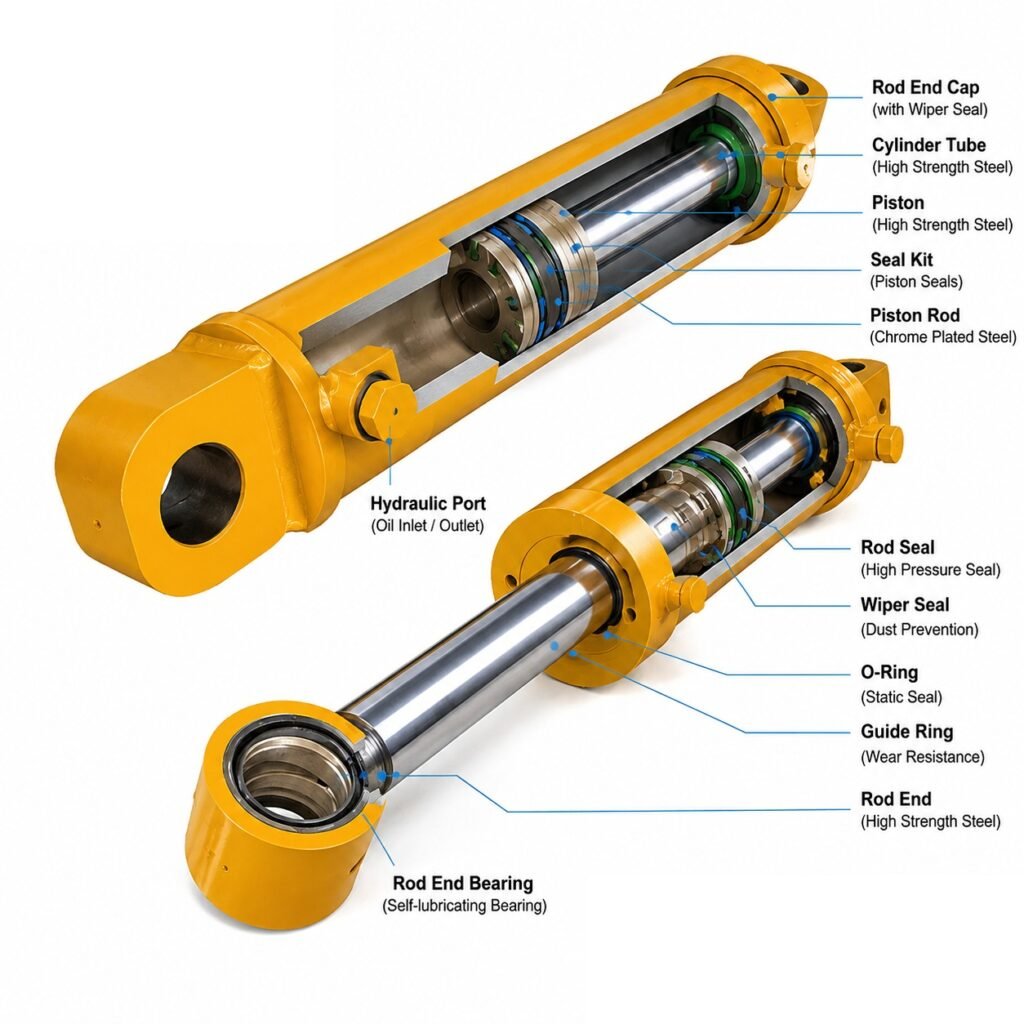
What Cushioning Actually Does
End-of-stroke cushioning decelerates the piston gradually over the final portion of the stroke, rather than allowing it to strike the end cap or head at full velocity, which protects the cylinder’s internal components, reduces mechanical shock transmitted to the connected structure, and quiets what would otherwise be an audible metal-on-metal impact at the end of every cycle. The energy being managed is kinetic energy — proportional to mass and the square of velocity — which means the applications that benefit most from cushioning are those combining meaningful moving mass with meaningful speed, not simply any cylinder that happens to be large or operates at high pressure.
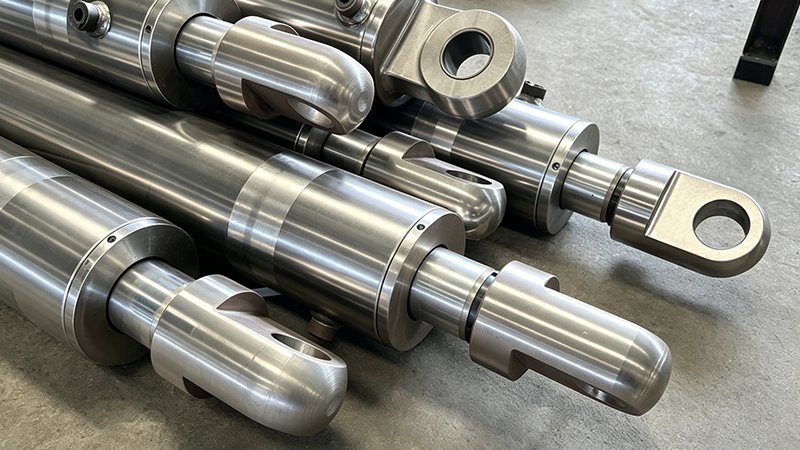
When Cushioning Is Clearly Warranted
| Application Characteristic | Why Cushioning Matters |
|---|---|
| High stroke velocity | Kinetic energy at impact scales with the square of velocity, so fast cylinders generate disproportionately more impact energy |
| Large moving mass | Heavy loads carry more kinetic energy even at moderate speed |
| Frequent full-stroke cycling | Repeated impact, even if individually survivable, accumulates fatigue damage over cycle count |
| Precision or vibration-sensitive end use | Shock transmitted at stroke end can affect nearby sensitive equipment or structures |
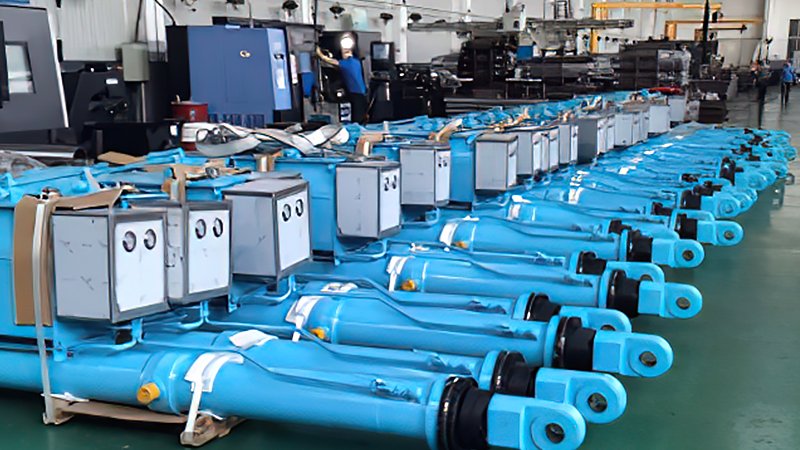
When Cushioning May Not Be Necessary
Applications with low stroke velocity, light moving mass, infrequent cycling, or where the equipment’s own mechanical design already limits how hard the piston can strike the end of its stroke (through external stops or controlled approach velocity from the hydraulic circuit itself) may not generate enough end-of-stroke impact energy to justify the added cost and complexity of internal cushioning. Adding cushioning to a low-energy application isn’t harmful, but it is unnecessary cost and complexity that doesn’t address a real problem, and in some design-constrained applications, the additional length cushioning requires inside the cylinder can create its own packaging challenges without delivering proportionate benefit.
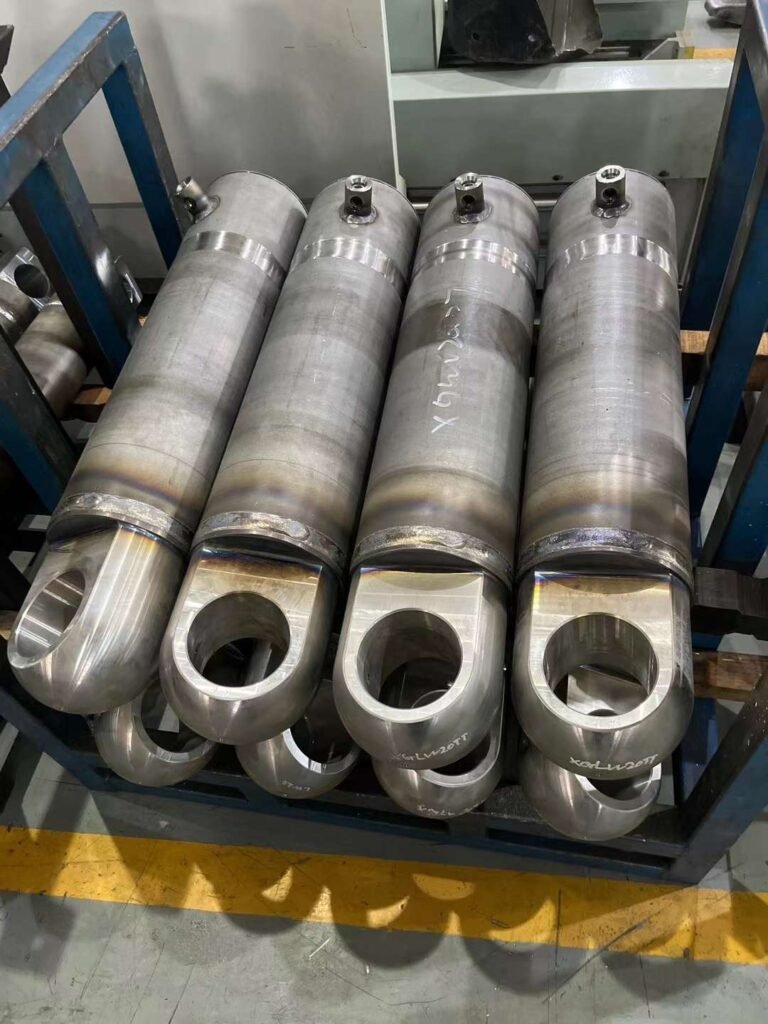
Calculating Whether Cushioning Is Actually Needed
A reasonable first-pass evaluation considers the moving mass, the maximum stroke velocity under normal and worst-case operating conditions, and whether the existing hydraulic circuit design (flow control, deceleration valving) already manages velocity reduction before the piston reaches the end of stroke. If velocity at the end of stroke is already low due to circuit design, or if the moving mass is light enough that even full-speed impact doesn’t generate concerning kinetic energy, internal cushioning may be solving a problem that doesn’t meaningfully exist for that specific design.
How Cushioning Choice Affects Bore and Rod Design
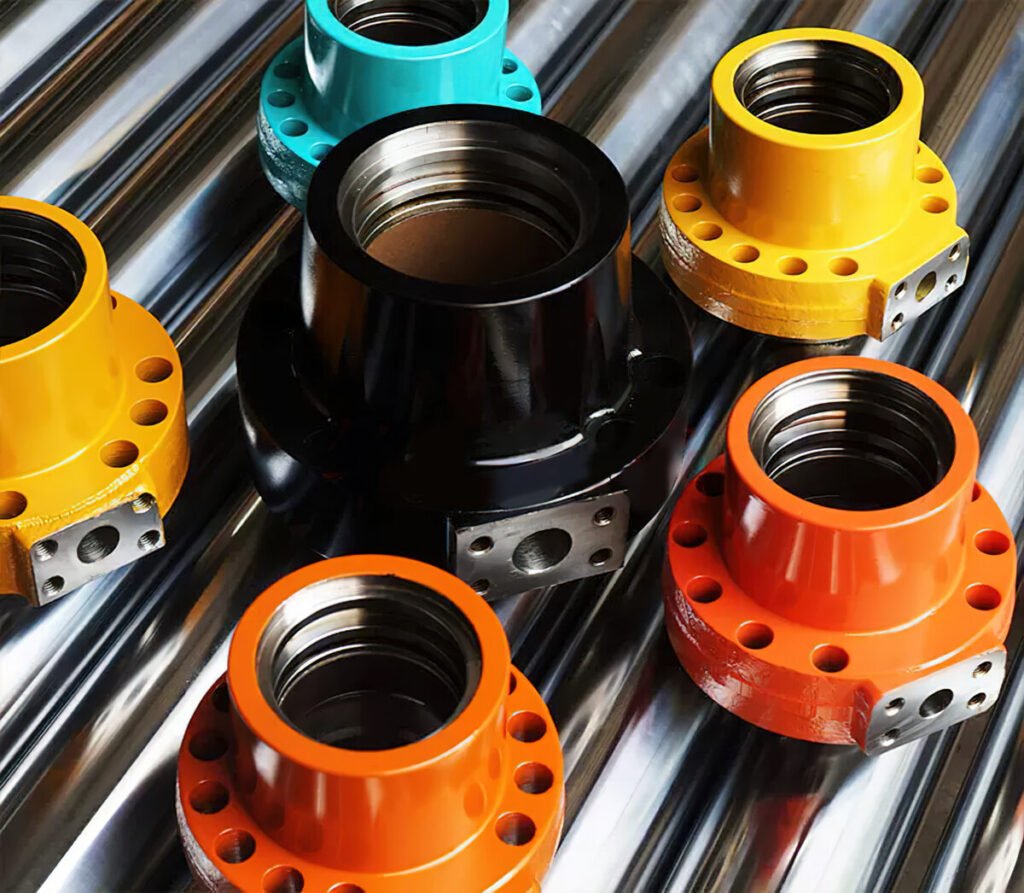
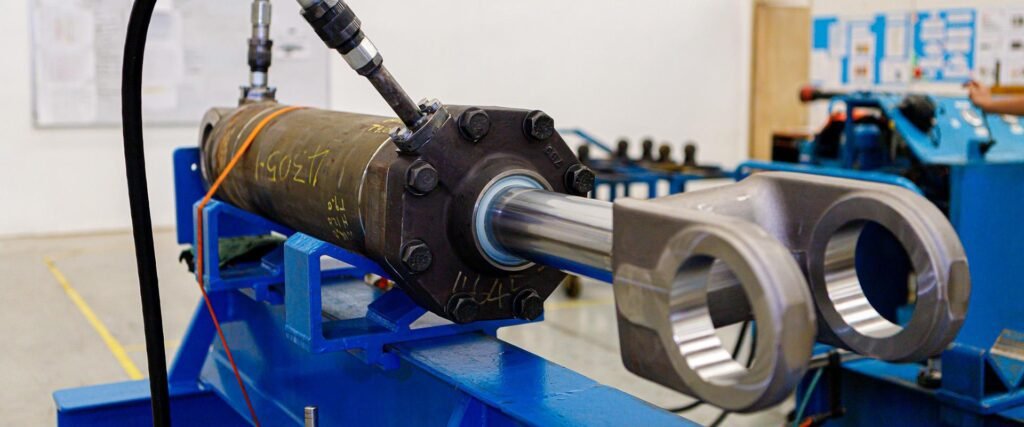
Internal cushioning typically requires additional machined features — cushion sleeves, metering orifices, check valve passages — that add length and complexity to the cylinder’s bore and end cap design, which has knock-on effects for overall cylinder length and sometimes for the honed tube specification itself if cushion-related features need to be incorporated into the bore. Evaluating cushioning need early in the design process, rather than adding it as a late-stage change, avoids costly redesign of bore length and tube specification after other dimensions have already been locked in.
A Practical Decision Framework
For a new cylinder design, the practical sequence is: estimate actual moving mass and stroke velocity for the application, check whether the hydraulic circuit design already limits approach velocity through other means, and only specify internal cushioning if the resulting kinetic energy at stroke end genuinely exceeds what the cylinder’s structure and connected equipment can absorb without it. This produces a design decision grounded in the application’s actual physics, rather than a blanket default applied regardless of whether the specific use case needs it.
Discuss Cushioning Requirements for a New Design
Working through cushioning requirements for a new cylinder design? Contact our team to discuss your application’s mass, velocity, and duty cycle profile.
Related Reading
- Hydraulic Cylinder Dynamic Seal Friction: Breakout Force and Why It Matters More Than Steady-State Friction
- Hydraulic Cylinder Side Load: Why Guided Load Applications Need Different Rod and Bore Tolerances
- Hydraulic Cylinder Trunnion and Clevis Mounting: Load Path and Pin Wear Considerations
What We Offer
- Honed tube and chrome plated rod specification support accounting for cushioning-related bore features
- Technical consultation on evaluating actual cushioning need based on mass and velocity profile
- Design support for cylinders incorporating cushion sleeves and metering features
- Full material and dimensional documentation supporting new cylinder design validation
Contact EAST AI (eastai-tech.com) Email: marketdi@east-ai.cn Phone: +86 13382202696 Address: No. 108, Lunan Road, Wuxi, Jiangsu, China.
Written by Alex, Production Engineer at EAST AI