
Why European OEM Buyers Pay Attention to Tube Quality
For hydraulic cylinder manufacturers, the cylinder tube is more than a hollow steel component. Its internal bore becomes the working surface for the piston and sealing system, which means dimensional accuracy and surface condition directly influence the manufacturing process.
For European OEM buyers, the purchasing decision is often based on a combination of technical consistency, documentation, production reliability, dimensional control and delivery capability. A competitive price is useful, but it does not compensate for a tube specification that creates additional machining or assembly problems.
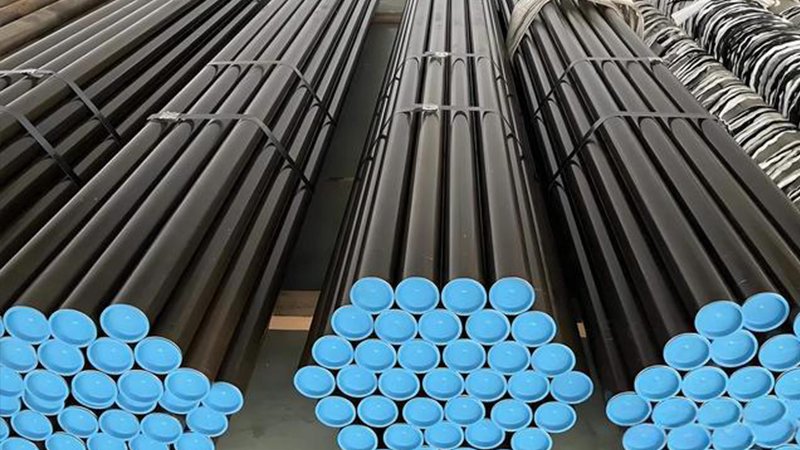
What Is a Honed Tube?
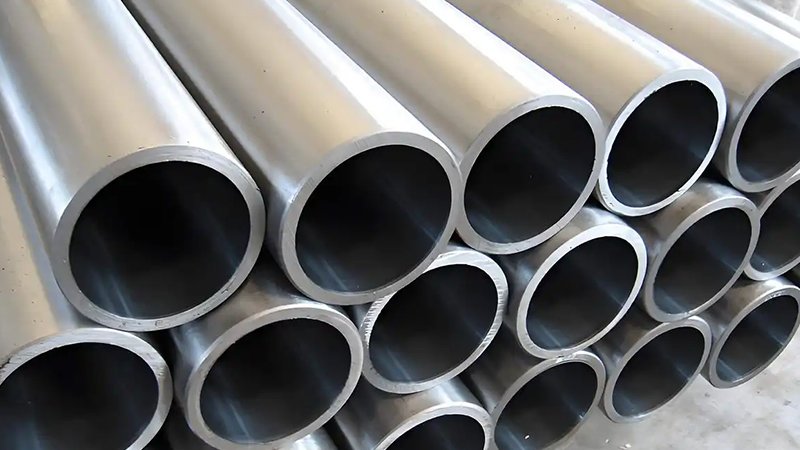
A honed tube is a precision tube with an internally honed surface. The honing process is used to improve the internal bore condition and achieve the dimensional and surface requirements needed for hydraulic cylinder manufacturing.
Compared with a general-purpose tube, a honed cylinder tube is supplied with a more controlled internal condition. This can be particularly useful for manufacturers that want to reduce internal processing and move more directly toward cutting, welding and cylinder assembly.
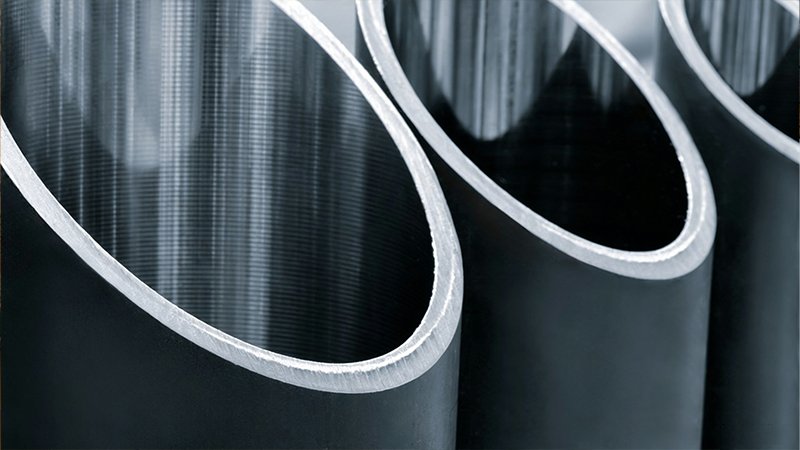
Bore Accuracy Is the Starting Point
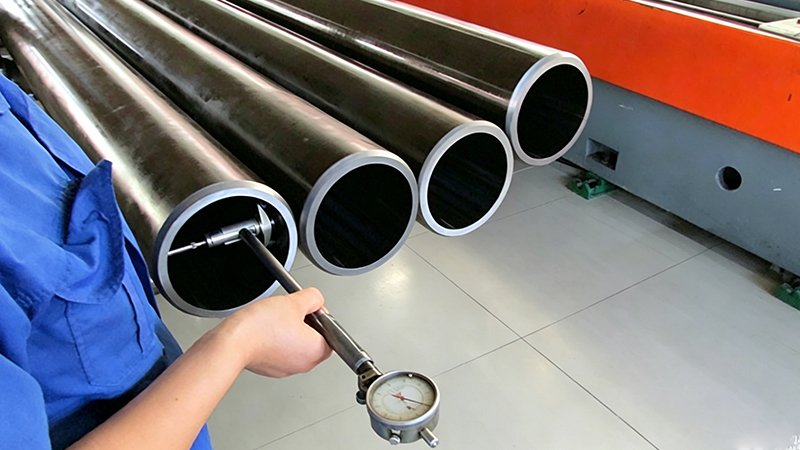
The inside diameter is one of the most important dimensions when ordering a hydraulic cylinder tube. It determines the working bore available to the piston and is therefore connected to the cylinder’s force and movement characteristics.
European OEM buyers should specify the required bore and tolerance rather than simply asking for a tube by outside diameter. If a technical drawing is available, providing the drawing can eliminate uncertainty and allow the supplier to evaluate the complete requirement.
Internal Surface Quality
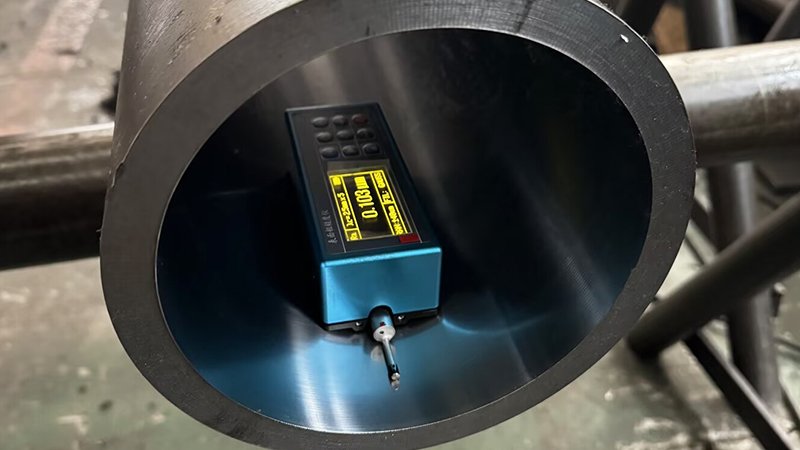
The internal surface of a hydraulic cylinder tube interacts with the piston and seals throughout the operating cycle. A controlled surface can help maintain predictable friction and sealing conditions.
For this reason, surface roughness should be defined as part of the technical specification where necessary. The supplier should also be able to explain how the internal surface is produced and inspected so that the customer can understand what condition will be delivered.
Material Selection for European Applications
Material selection depends on the cylinder’s mechanical requirements rather than geographical location alone. Industrial equipment, mobile machinery, agricultural equipment and specialized hydraulic systems can all require different material characteristics.
European buyers should therefore define the required material grade according to the cylinder design and applicable technical documentation. If the supplier is expected to propose an alternative material, that substitution should be agreed before production rather than made automatically.
Why Consistent Batches Matter
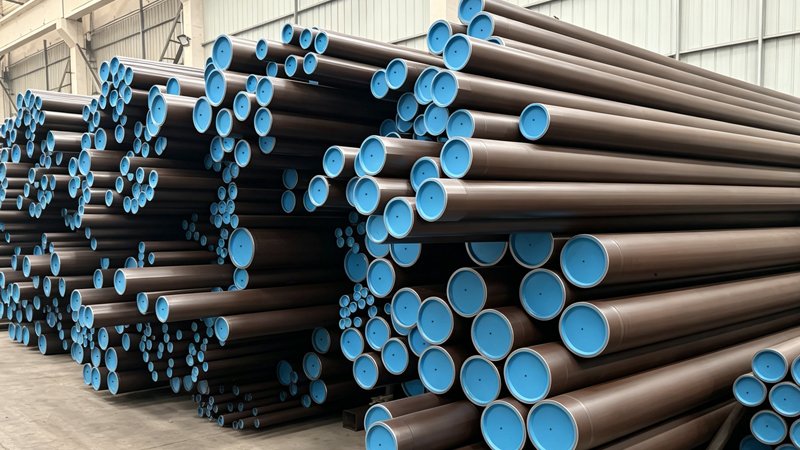
For an OEM producing hydraulic cylinders repeatedly, the first delivery is only one part of the supplier relationship. Future batches need to remain consistent with the original specification.
Consistent honed tubes can help reduce incoming inspection variation and minimize changes to production settings. This is especially valuable for manufacturers supplying standardized cylinders where the same tube dimensions are used repeatedly.
Honed Tube and Further Machining
Not every hydraulic cylinder manufacturer uses the delivered tube in exactly the same way. Some customers use a honed tube as a near-finished component, while others perform additional machining or finishing according to their own production process.
The supplier should therefore understand the customer’s intended manufacturing route. A tube specification that is ideal for direct cylinder production may not be identical to the specification preferred by a manufacturer with its own internal machining capability.
Tube Dimensions and Cylinder Design
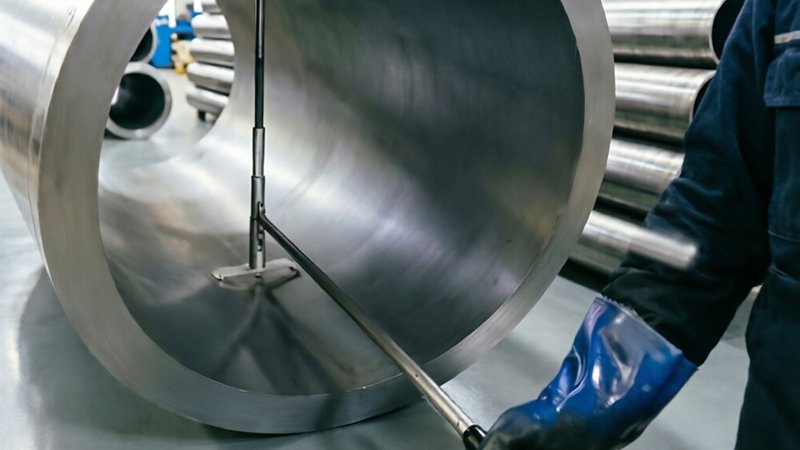
The tube’s outside diameter, inside diameter and wall thickness all contribute to the final cylinder structure. The correct combination depends on operating pressure, cylinder size, load requirements and mechanical design.
This is why purchasing should begin with the cylinder drawing whenever possible. A generic tube size can provide a starting point, but the final selection should reflect the actual mechanical and dimensional requirements of the finished cylinder.
Honed Tubes in Mobile and Industrial Hydraulics
European hydraulic equipment covers a wide range of industries, from factory automation and material handling to agricultural and mobile machinery. The operating environment can therefore vary considerably.
A tube used in an indoor industrial system may face different environmental and mechanical conditions from a cylinder installed on agricultural or construction equipment. Material, dimensions and surface requirements should be selected accordingly rather than using a single specification for every application.
What Should European Buyers Ask a Supplier?
A useful inquiry should include material, bore, outside diameter, length, tolerance, surface requirements, quantity and application. If the tube is part of an existing cylinder design, the technical drawing should be included whenever possible.
It is also useful to clarify the intended delivery condition. Buyers should know whether the tube is supplied as a finished honed product for direct processing or as a tube intended for additional machining.
Quality Control Should Be Part of the Purchase
Quality control is not only about checking the final tube after production. The manufacturing process itself determines whether the same specification can be reproduced consistently.
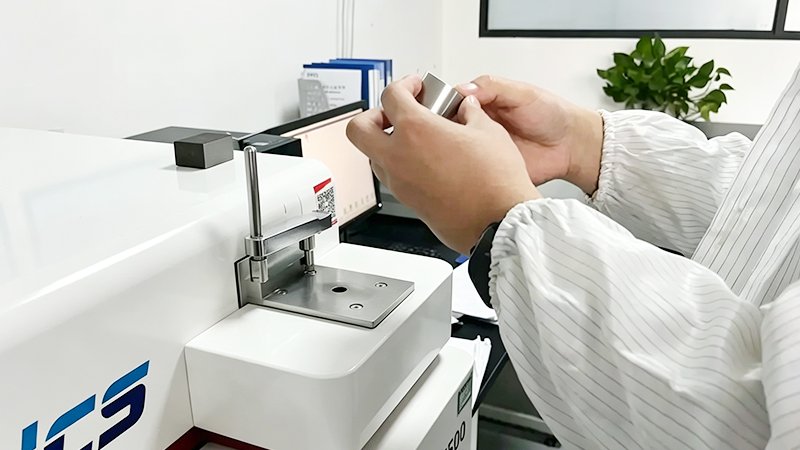
For OEM procurement, buyers should consider dimensional inspection, bore condition, surface finish, straightness and material documentation as part of the supplier evaluation. The exact inspection and documentation requirements should be agreed before production.
Why Supplier Communication Matters
A technically detailed purchase order reduces the risk of misunderstanding, particularly when the supplier and customer operate in different countries.
Clear specifications help both sides understand the expected bore condition, material and dimensional requirements. For European buyers working with overseas suppliers, this clarity can be especially useful because it reduces dependence on informal product descriptions.
Choosing a Honed Tube Supplier
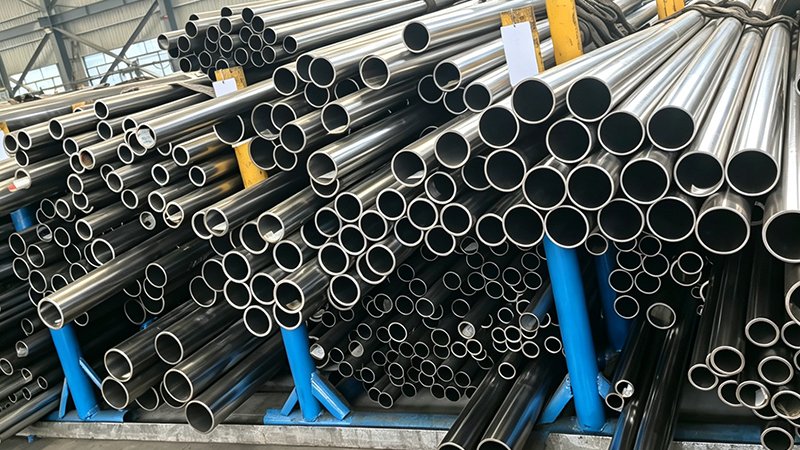
The right honed tube supplier should be evaluated on more than catalogue range. Manufacturing capability, dimensional control, surface finishing, consistency, communication and ability to work from technical drawings all matter to OEM production.
A supplier that can provide a technically controlled product and understand the customer’s cylinder application can become part of the manufacturing supply chain rather than simply acting as a material vendor.
A Practical Buying Approach
The most efficient process starts with the final hydraulic cylinder requirement. Establish the bore, dimensions, material, length and surface requirements first, then determine whether a finished honed tube or a tube for additional machining is more appropriate.
This approach helps European OEM buyers compare suppliers on equivalent technical conditions. It also prevents the purchasing decision from becoming a simple comparison of nominal dimensions and unit prices.
Frequently Asked Questions
What is a honed tube used for?
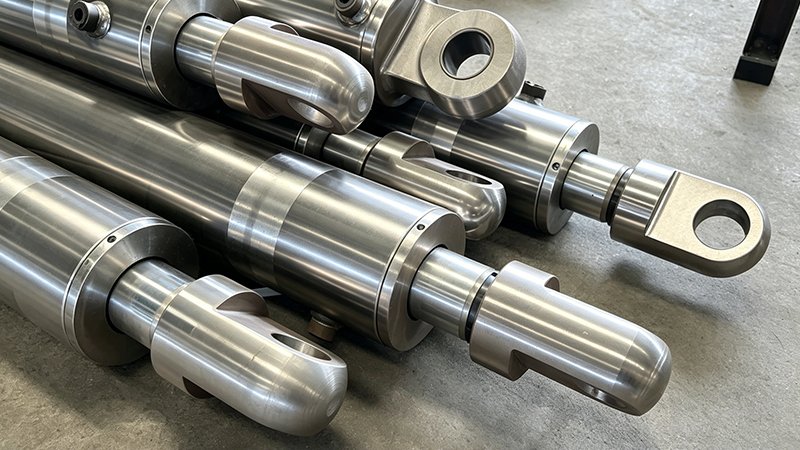
A honed tube is commonly used as the barrel of a hydraulic cylinder where a controlled internal bore is required.
What information should I provide when requesting a hydraulic cylinder tube?
Material, inside diameter, outside diameter, length, tolerance, surface requirements, quantity and application are useful starting points.
Can honed tubes be used for mobile hydraulics?
Yes. They are used in hydraulic cylinder applications across industrial, mobile, agricultural and construction equipment, subject to the required specification.
Is a honed tube always ready for assembly?
Not necessarily. The required delivery condition depends on the customer’s manufacturing process and technical requirements.
Related Products & Applications
Industrial Hydraulic Applications
Need Technical Support?
For European OEM buyers, the best honed tube is the one that matches the complete cylinder design and fits the customer’s manufacturing process.
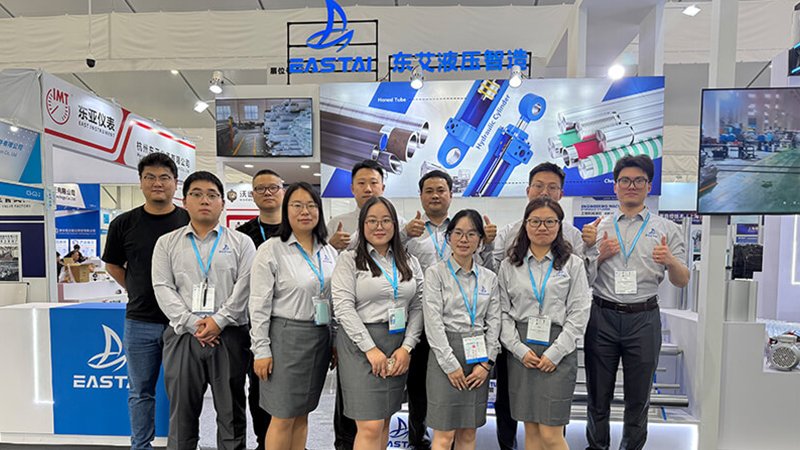
EAST AI provides honed tube solutions for hydraulic cylinder manufacturers and OEM customers requiring controlled bore dimensions, surface condition, materials and application-specific specifications.