
What Is Surface Roughness?
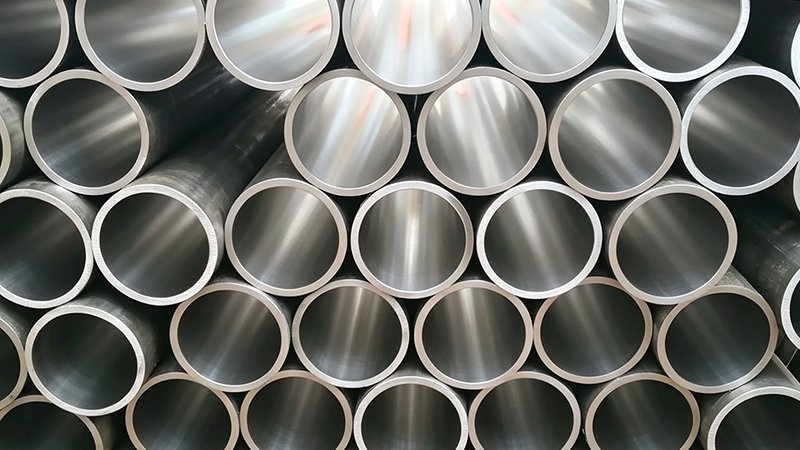
The internal surface of a honed tube is a functional part of the hydraulic cylinder. It forms the bore in which the piston and sealing system operate, so its surface condition needs to be controlled according to the cylinder design.
Surface roughness is one way of describing this condition numerically. For OEM buyers, using a measurable roughness requirement is more precise than requesting a tube with a “smooth” internal surface.
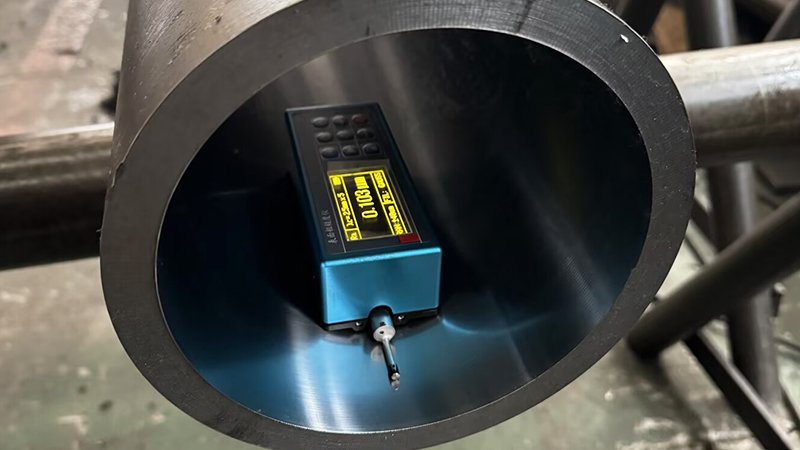
Why Surface Roughness Matters
The piston and seals move repeatedly inside the cylinder bore. The relationship between the sealing elements and the internal surface can therefore affect friction, sealing behavior and wear.
An appropriate hydraulic cylinder tube should provide an internal surface compatible with the customer’s piston and sealing system. The exact requirement depends on the cylinder design and should be established before production.
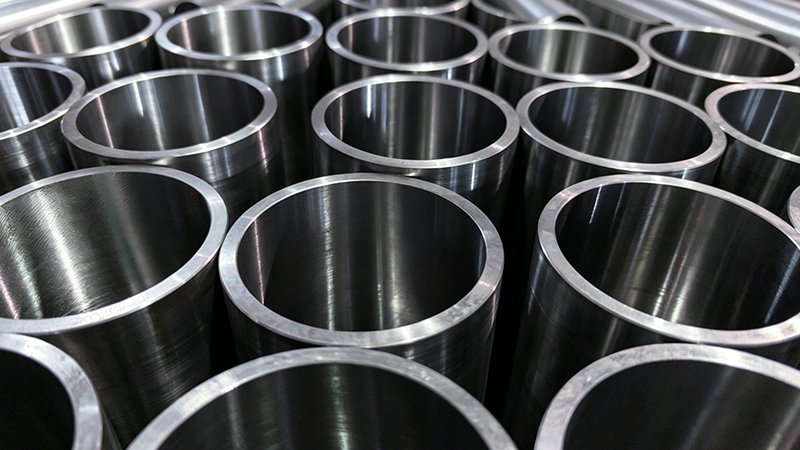
What Does Ra Mean?
Ra is a commonly used numerical parameter for describing average surface roughness. It provides a measurable reference that can be included in a technical specification.
The available product information specifies internal surface requirements for honed products, while the exact value required for a particular cylinder should be confirmed against the customer’s technical drawing and application.
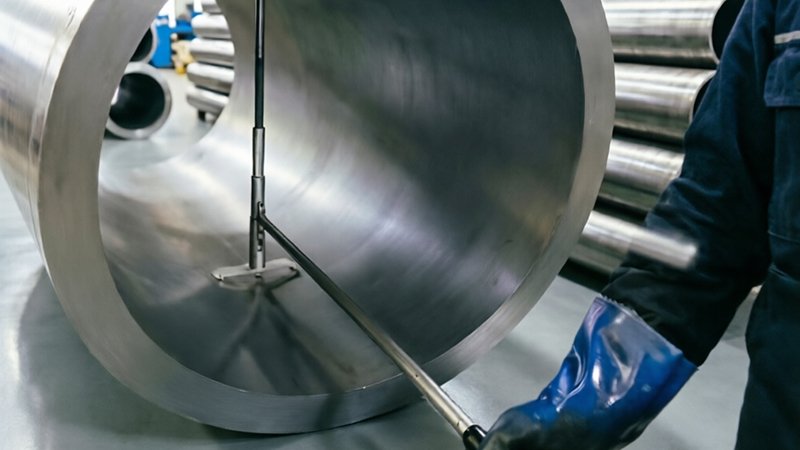
Honing and Surface Finish
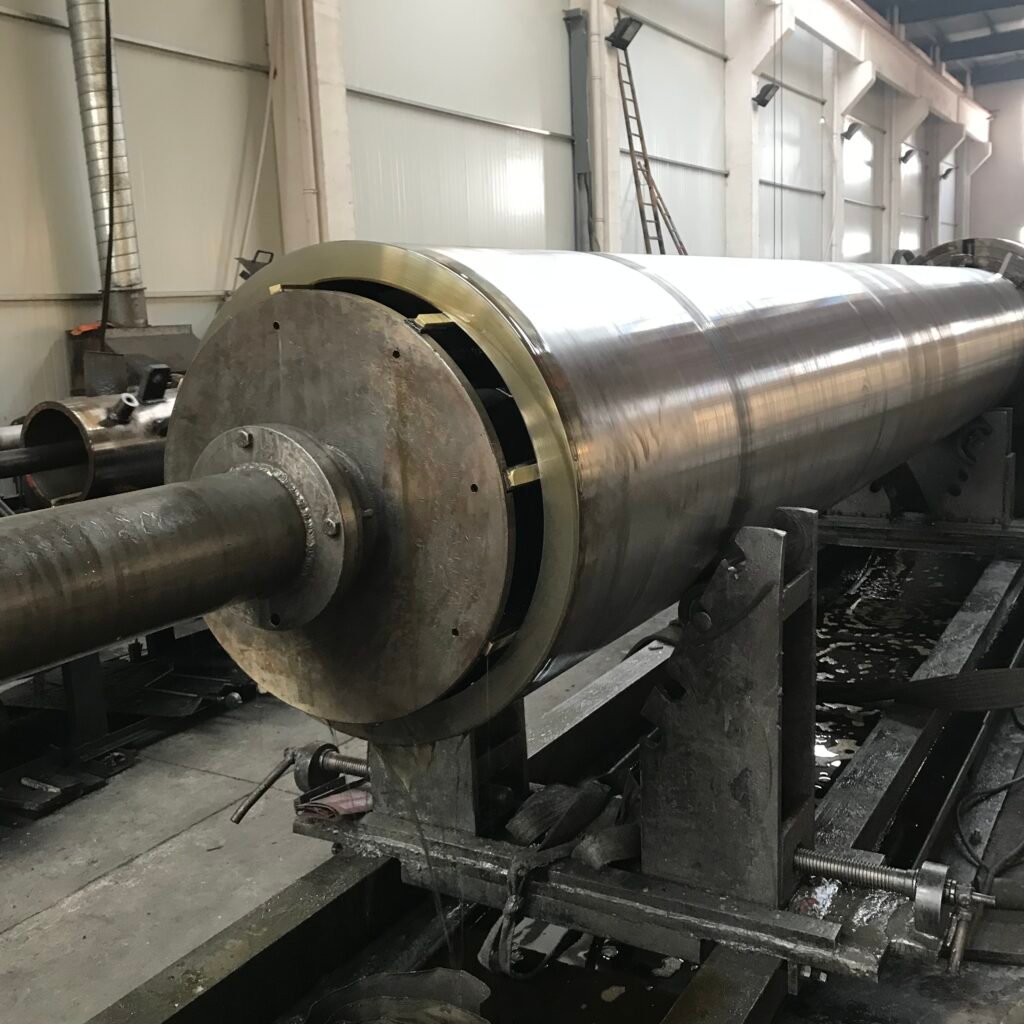
Honing is an internal finishing process used to improve bore geometry and surface condition. It is not simply a polishing operation.
For a honed cylinder tube, the process is intended to produce a controlled internal bore that can be used as part of the hydraulic cylinder manufacturing process. The final surface characteristics depend on the product specification and manufacturing route.
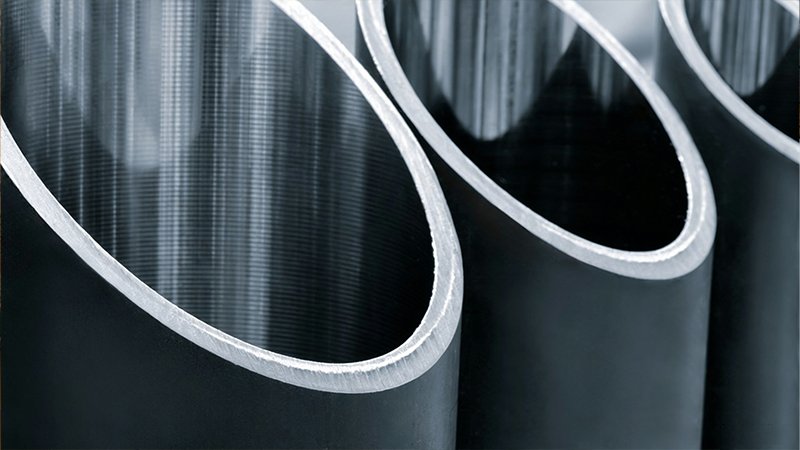
Surface Roughness and Bore Accuracy
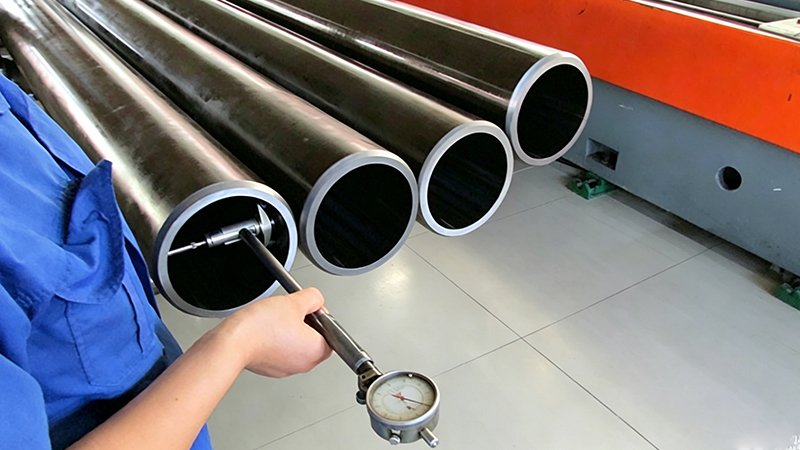
Surface roughness and bore accuracy are separate requirements. A tube can have a suitable surface roughness while still being outside the required dimensional tolerance, or it can have accurate dimensions while failing to meet the required surface condition.
European OEM buyers should therefore specify both where necessary. The two characteristics serve different purposes in the final cylinder.
The Relationship With Seals
Hydraulic cylinder seals are designed to work against controlled surfaces. The internal tube surface therefore needs to be considered together with the sealing system.
This is especially important when changing tube suppliers. A replacement honed tube should be evaluated against the same technical specification rather than being selected only because the bore diameter appears identical.
Surface Finish and Cylinder Service Life
A controlled internal surface can contribute to predictable interaction between the bore, piston and seals. However, surface finish is only one part of overall cylinder service life.
Hydraulic cleanliness, alignment, side loading, lubrication, seal condition and operating conditions can also affect wear. For this reason, tube surface quality should always be considered within the complete hydraulic system.
Why European OEMs Should Use Clear Specifications
European hydraulic cylinder manufacturers often purchase components from multiple international suppliers. Clear specifications help ensure that every supplier is working toward the same technical target.
For honed tubes, the specification can include bore diameter, tolerance, surface roughness, outside diameter, length and material. Where a technical drawing exists, it should be supplied with the inquiry.
Industrial Applications
Industrial hydraulic cylinders can operate through very high numbers of cycles. Consistent internal bore conditions can therefore be important for manufacturers producing standardized cylinders for industrial machinery.
The appropriate surface specification should be determined according to the cylinder design, seal system and operating conditions rather than copied from another application without review.
Mobile and Construction Applications
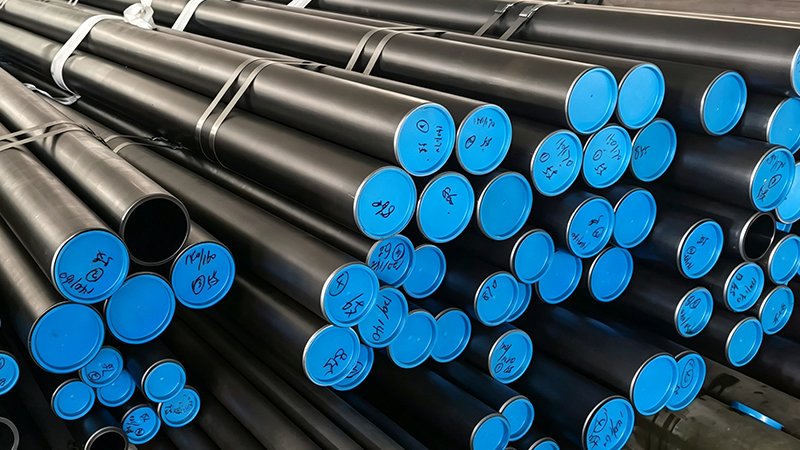
Mobile hydraulic cylinders can operate in environments containing dust, water, dirt and vibration. Their piston and sealing systems may therefore experience different conditions from indoor industrial cylinders.
For these applications, the honed cylinder tube should be selected together with the other cylinder components and the expected working environment.
How to Discuss Surface Roughness With a Supplier
When requesting a quotation, buyers should avoid relying on descriptions such as “very smooth tube.” Instead, the required surface condition should be stated as a measurable specification whenever possible.
If the buyer has an existing cylinder drawing, sending it to the supplier can simplify communication. The supplier can then evaluate the tube requirement within the context of the finished cylinder.
Surface Roughness Is Not the Only Quality Indicator
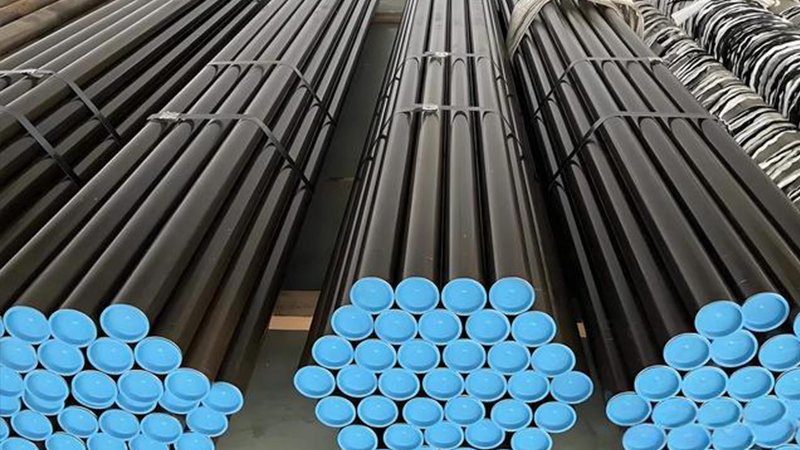
A low roughness value does not automatically mean that one tube is better for every hydraulic application. The tube must satisfy all relevant dimensional, material and manufacturing requirements.
For OEM procurement, honed tube surface roughness should therefore be evaluated together with bore tolerance, material, dimensions and application requirements.
Frequently Asked Questions
Why is surface roughness important in a honed tube?
Because the internal surface interacts with the piston and seals during cylinder operation.
Is surface roughness the same as bore tolerance?
No. Roughness describes the surface condition, while tolerance controls dimensional variation.
Can one surface specification be used for every hydraulic cylinder?
Not necessarily. The appropriate requirement depends on the cylinder design and sealing system.
Should surface roughness be included in the purchase order?
If it is an important part of the cylinder design, yes. A measurable specification reduces ambiguity between buyer and supplier.
Related Products & Applications
Industrial Hydraulic Applications
Agricultural Hydraulic Applications
Construction Hydraulic Applications
Need Technical Support?
For European OEM production, honed tube surface roughness should be treated as a measurable engineering requirement rather than a visual description.
EAST AI supplies honed tube solutions for hydraulic cylinder manufacturers according to bore, dimensional, material and surface requirements.