
Written by Alex, Production Engineer at EAST AI
Ports run on hydraulics that never seem to stop. The cranes, reach stackers, and handling equipment that move containers and bulk cargo work high-throughput duty cycles day and night, and they do it in one of the most corrosive environments industrial equipment ever faces, because salt air is relentless and unforgiving. When a customer building port and material handling cylinders comes to us for honed tube, the specification has to reconcile two demands that pull in different directions: the tube has to survive a punishing duty cycle and it has to resist a corrosive coastal atmosphere at the same time.
Material handling more broadly, whether at a port, a warehouse, or a bulk terminal, imposes its own combination of long strokes, heavy loads, and near-continuous operation that a lightly used industrial cylinder never experiences. The honed tube inside those cylinders is asked to hold its bore geometry and keep its seals sealing through millions of cycles, often while the whole machine is exposed to weather and salt. Specifying that tube correctly means understanding both the throughput and the environment, because either one alone will find the weakness in a tube that was specified for the other.
Duty Cycle Defines the Fatigue Problem
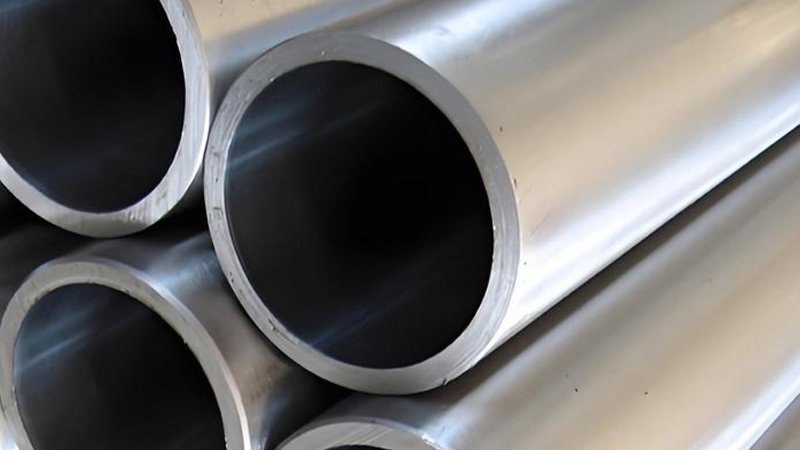
The defining feature of port and material handling equipment is how often the cylinders cycle, because high throughput means the honed tube endures an enormous number of pressure and motion cycles over its service life. Every cycle loads the tube wall, works the seal against the bore, and adds to the cumulative fatigue the tube has to survive, and a machine that runs continuously accumulates those cycles far faster than an intermittently used one. Sizing and specifying the tube for that fatigue reality, rather than for a modest duty cycle, is the starting point for a tube that will not wear out prematurely.
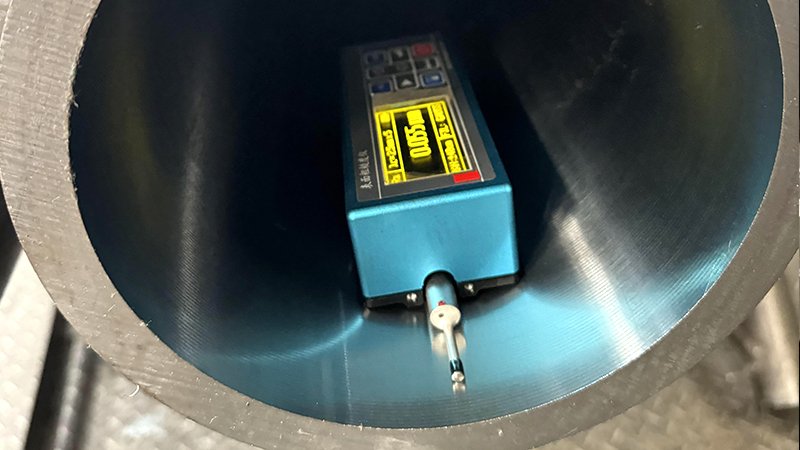
This high-cycle reality raises the importance of bore geometry and surface finish, because small imperfections that a low-cycle cylinder would tolerate become fatigue and wear problems when repeated millions of times. A bore held to H8 or H9 tolerance with a controlled Ra 0.4 to 0.8 micron cross-hatch finish gives the seal the consistent surface it needs to survive that repetition, retaining the oil film that keeps the seal and bore separated cycle after cycle. When the finish or geometry is neglected, the high cycle count simply exposes the flaw faster, turning a minor imperfection into an early failure.
The Coastal Corrosion Reality
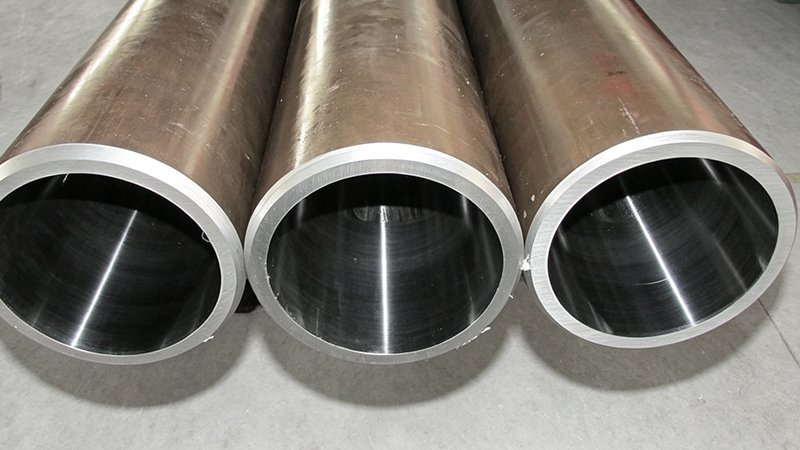
Salt air is the constant background threat in port operations, and it attacks any exposed or inadequately protected steel surface with a persistence that inland equipment never has to contend with. For the honed tube, corrosion resistance is a matter of material selection and protection rather than a coating on the bore, because unlike a chrome plated rod the tube’s defense against rust comes from the steel chosen, the anti-rust protection applied, and the way the tube is stored and handled before installation. A tube that arrives at a coastal site already compromised by poor storage protection is fighting corrosion before it ever enters service.
This is where honest handling and protection practices matter as much as the steel itself, because even a well-chosen tube will corrode if it is left exposed to salt air during shipping and storage. Proper anti-rust treatment, appropriate protective coatings on non-running surfaces, and disciplined storage and pre-installation protection are what keep the tube sound until it is sealed inside the cylinder. For coastal port applications we pay particular attention to this protection chain, because the corrosion threat begins the moment the tube leaves the finishing line, not when the cylinder is put to work.
Long Strokes and Straightness
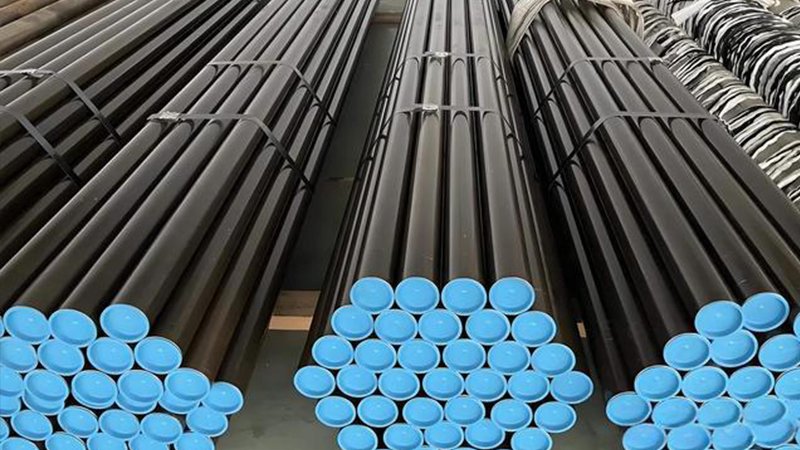
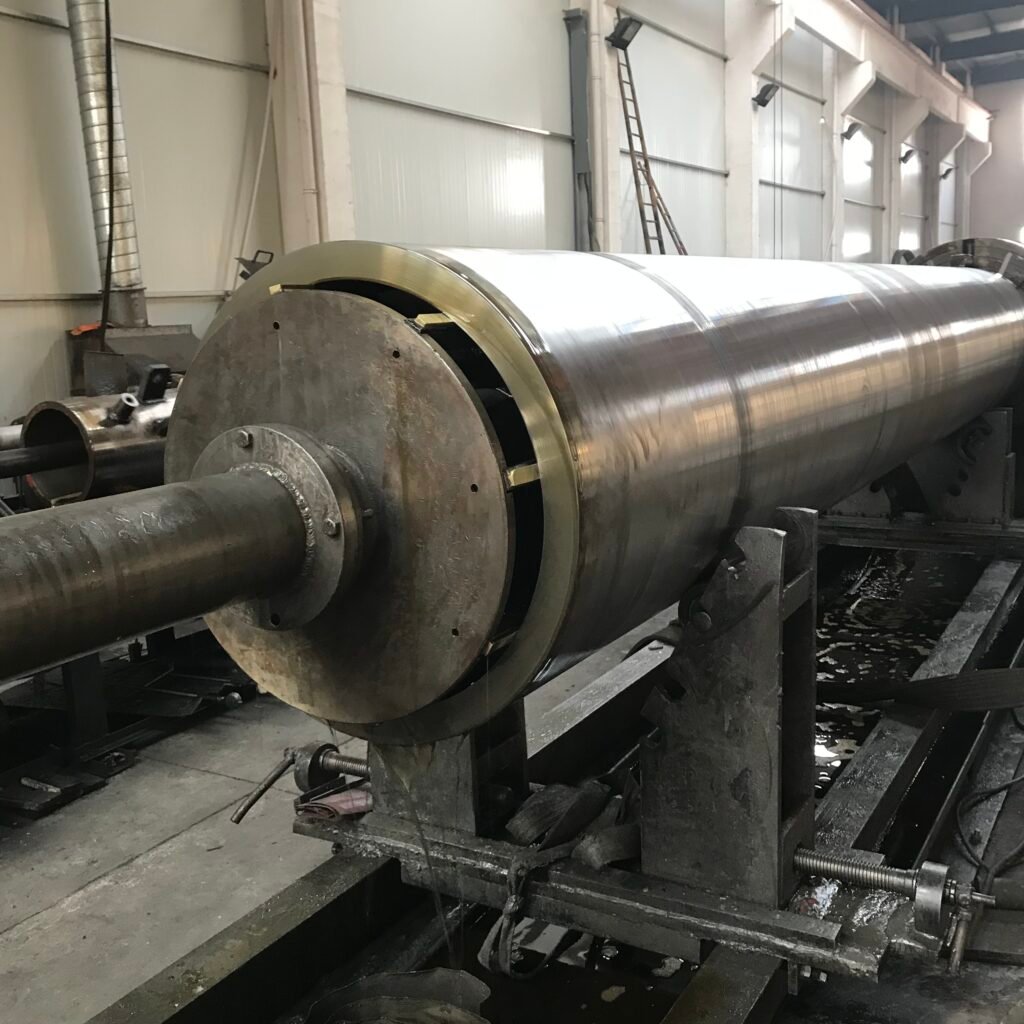
Many material handling cylinders, particularly the lifting and telescoping cylinders on cranes and reach stackers, run long strokes that make straightness a critical specification. A long honed tube that is not held straight will let the piston and seal run unevenly along the stroke, concentrating load and accelerating wear, and the effect grows worse as stroke length increases and as any side loading from the handling geometry adds to it. Controlling straightness to around 0.5 millimeters per meter keeps the bore true along its full length so the seal runs evenly from one end of the stroke to the other.
Straightness interacts with the high duty cycle in a way that compounds both effects, because a slightly bent bore that a low-cycle cylinder might tolerate will wear its seal rapidly when the machine cycles continuously. The combination of long stroke, heavy load, and high throughput that defines port equipment means straightness is not a nicety but a durability requirement, and it has to be built into the tube through proper manufacturing and straightening. A tube that is both straight and geometrically accurate is what lets a long-stroke handling cylinder survive the throughput its owner depends on.
Bringing the Requirements Together
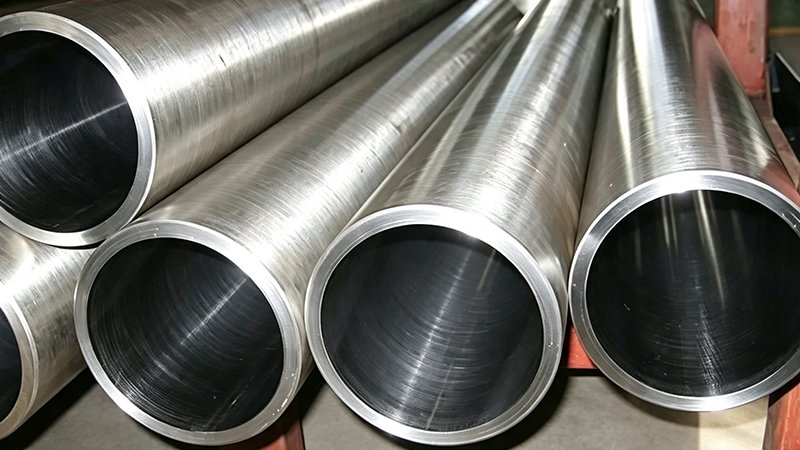
The challenge in specifying honed tube for port and material handling duty is that no single requirement can be optimized in isolation, because the environment and the duty cycle both have to be satisfied at once. A tube specified only for corrosion resistance but with inadequate wall or straightness will fail under the throughput, and a tube specified only for the duty cycle but left unprotected against salt air will corrode before it earns its keep. The correct specification treats corrosion protection, wall thickness, bore geometry, surface finish, and straightness as a connected set, each matched to the coastal, high-cycle reality.
This integrated view is exactly what experience with the application brings, because the failure modes of port equipment are well known to anyone who has supplied into it. We have seen how salt air, continuous duty, and long strokes combine to punish tubes that were specified for gentler conditions, and the pattern points clearly toward tubes that are protected, straight, accurately bored, and adequately walled. Specifying to that combined reality up front is what produces a cylinder that keeps moving cargo through the weather and the workload, rather than one that becomes an unplanned stop in a operation that cannot afford them.
Specifying for the Operation, Not the Catalog
The practical path to the right tube is to describe the real port or handling operation honestly, including the throughput, the stroke lengths, the loads, and above all the coastal environment, and let the tube be engineered to match. A tube specified this way costs more than a generic industrial length and repays the difference many times over in the uptime of equipment that a port operation depends on hour by hour. The alternative of specifying from a catalog baseline ignores the very conditions that make port duty distinctive, and it is those conditions that determine whether the tube lasts.
The honest conversation we prefer to have is about the operation itself: how hard the machines work, how exposed they are, and how long the cylinders need to keep running before service. With that understood, the honed tube specification follows naturally, balancing corrosion protection, geometry, and strength against the real duty. That is how a material handling cylinder ends up matched to the demanding, salt-laden, high-throughput life it will actually lead, rather than to an easier one that exists only on paper.
Related Reading
- Honed Tube for Crane and Lifting Equipment: Long-Stroke Straightness Requirements
- Honed Tube for Oil & Gas Drilling Equipment: Material Traceability and High-Pressure Wall Thickness Requirements
- Honed Tube for Injection Molding Machine Clamping Cylinders: Precision and Repeatability at High Cycle Rates
Keep Port Equipment Moving Through Salt and Throughput
Port cylinders fail in the two ways coastal high-throughput duty guarantees: corrosion from salt air and wear from relentless cycling, and a tube specified for only one of them will find the other. At EAST AI we specify honed tube for both at once, matching corrosion protection, straightness, geometry and wall to the real coastal duty cycle, so your handling equipment keeps moving cargo instead of waiting on repairs it cannot afford.
What We Offer
- Honed tube with material selection and anti-rust protection for coastal, salt-air service
- Straightness controlled to 0.5 mm/1000 mm for long-stroke lifting and telescoping cylinders
- H8 / H9 bore tolerance with Ra 0.4–0.8 μm cross-hatch finish for high-cycle seal life
- Wall thickness and protection matched to continuous, high-throughput material handling duty