
Written by Alex, Production Engineer at EAST AI
A baler, shredder, or waste compactor cylinder doesn’t operate in a controlled environment the way most industrial equipment does — it’s surrounded by mixed debris that can include grit, metal fragments, glass, and organic contamination, often airborne or splashed directly onto the exposed rod during operation. Sealing a cylinder against this kind of unpredictable, mixed contamination is a genuinely different design problem than sealing against a single, known contaminant type like dust or moisture.
We’ve supplied hydraulic cylinders into recycling, waste handling, and scrap processing equipment programs enough times to know that wiper and seal design deserve more attention here than the bore finish and material questions that dominate most other applications.
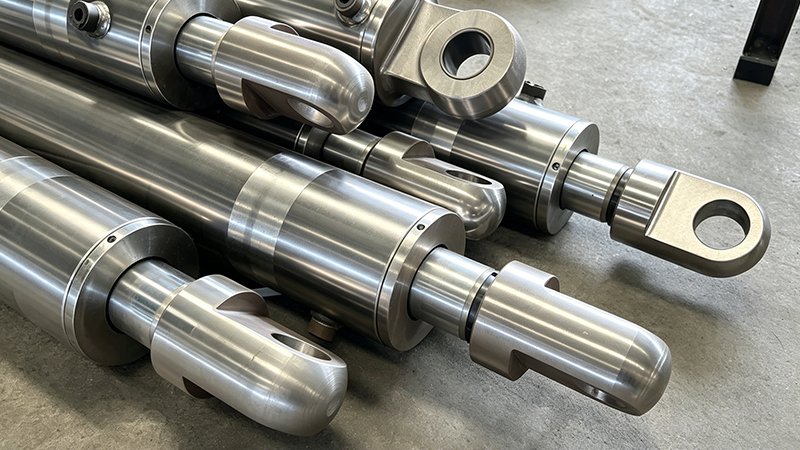
Why Wiper Design Gets Priority Over Everything Else
The wiper seal’s job is to keep contamination off the rod surface as it retracts back into the cylinder, and in recycling and waste handling applications, the wiper is dealing with a far wider range of contaminant types and sizes than most other applications ever encounter. A wiper design that works well against consistent, fine dust in an agricultural or mining application isn’t necessarily the right choice against the mixed, sometimes sharp-edged debris typical of scrap and waste processing.
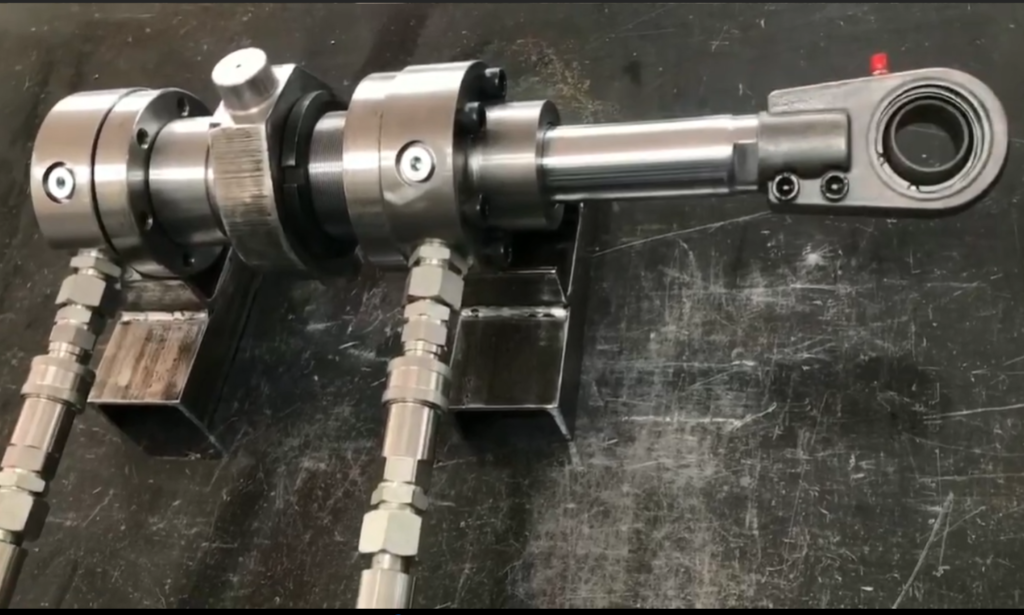
We typically recommend double wiper arrangements or wiper designs specifically rated for mixed heavy contamination on recycling equipment, rather than the standard single wiper adequate for more predictable contamination environments.
Rod Surface Considerations for Abrasive and Sharp Debris
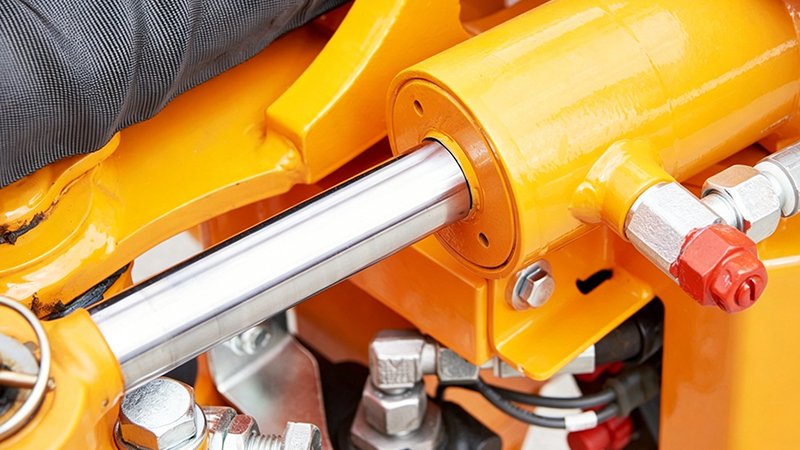
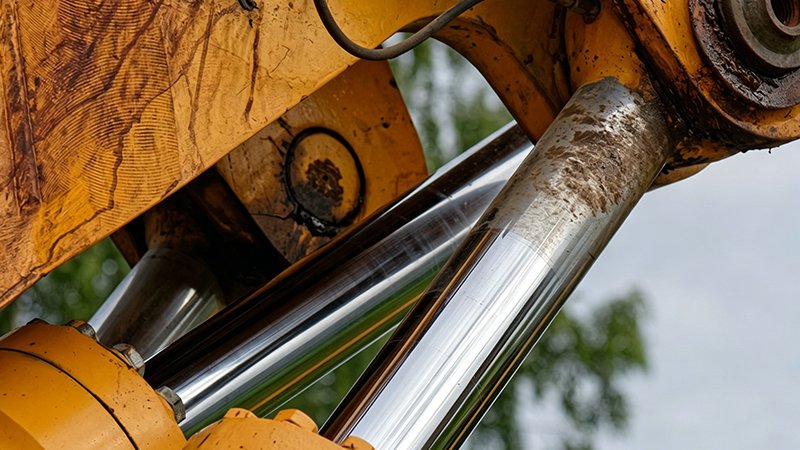
Beyond wiper design, the rod’s chrome surface itself needs to resist scratching from sharp-edged debris — metal fragments and glass are common in recycling streams and can scratch a standard chrome surface if contact occurs before the wiper fully excludes it. We pay particular attention to chrome layer hardness and thickness for recycling equipment rod specifically, since a scratched rod surface becomes a much faster path to seal failure than gradual wear alone would cause.
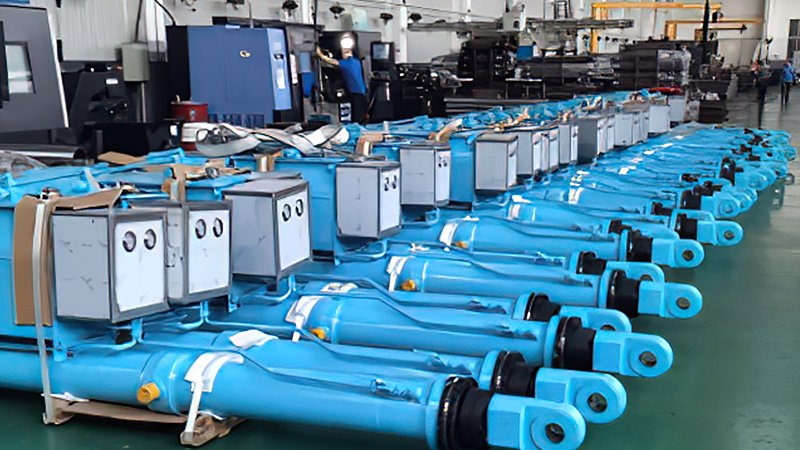
Seal Material Selection for Mixed Contamination and Organic Exposure
Waste handling equipment sometimes involves seal exposure to organic contamination and moisture in combination, which affects seal material selection differently than dry abrasive contamination alone. We select seal compounds based on the specific mix of contamination the equipment actually experiences rather than defaulting to a standard industrial seal package, since organic and chemical exposure can degrade certain seal materials faster than pure mechanical wear would.
Bore Protection During Extended Periods of Non-Use
Recycling and waste handling equipment sometimes sees irregular duty cycles — heavy use followed by periods of downtime — and the bore and rod surfaces need corrosion and contamination protection during idle periods as well as during active operation. This is a detail that’s easy to overlook when specifying primarily around active-duty wear resistance.
A Field Case Worth Knowing About
One pattern worth mentioning: a waste processing equipment operator reported recurring rod scoring on a compactor cylinder despite the rod meeting standard chrome plating thickness and hardness specifications. Investigation traced the issue to the original wiper design, which was adequate for general dust contamination but wasn’t excluding the sharper metal fragments occasionally present in the waste stream before they contacted the rod surface during retraction.
Moving to a double wiper arrangement specifically rated for mixed debris exclusion resolved the scoring issue without any change to the rod’s chrome specification itself. This is a useful example of how a contamination-related failure can look like a rod quality problem when the actual root cause is upstream in the wiper and seal design.
How We Support Recycling Equipment Programs
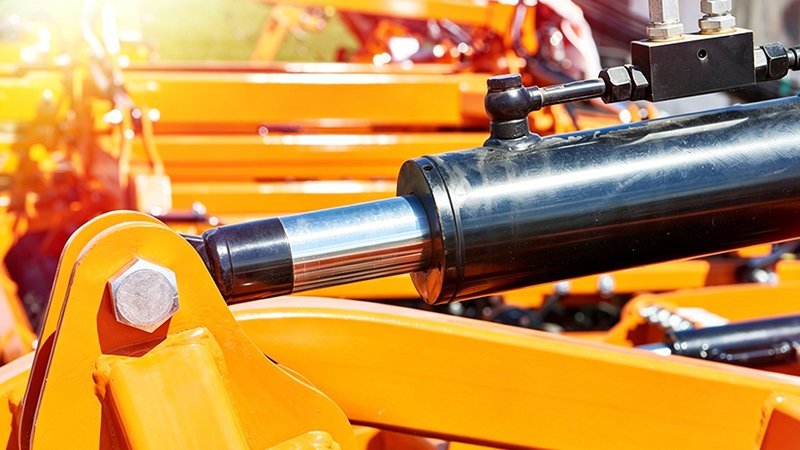
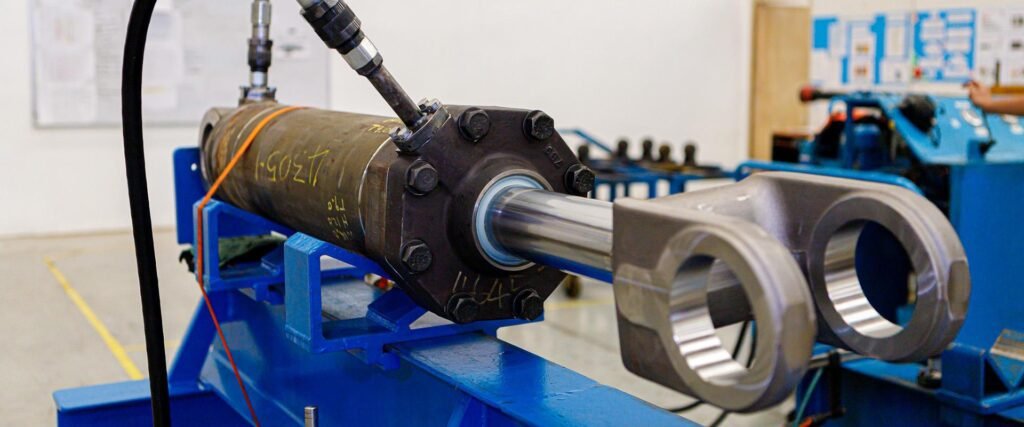
We work with recycling equipment OEMs and rebuild shops to specify seal and wiper packages matched to the actual contamination mix their equipment sees, rather than defaulting to a general industrial seal kit. Every cylinder still goes through full dimensional, surface, and functional testing regardless of the application’s harsh-duty classification.
What to Send With Your RFQ
Send us bore diameter, working pressure, stroke length, and a description of the actual waste or material stream the equipment processes, including whether metal, glass, or organic contamination is typically present. This detail changes our wiper and seal recommendation more than the mechanical spec alone would suggest.
Frequently Asked Questions
Why does recycling equipment need different wiper design than general industrial cylinders? Recycling and waste handling equipment deals with a wider range of mixed contaminant types and sizes than most other applications, so wiper designs adequate for consistent, predictable contamination like fine dust often aren’t sufficient against sharper, mixed debris.
Can sharp debris like metal fragments or glass damage a chrome plated rod? Yes, if it contacts the rod surface before the wiper excludes it. This is why chrome layer hardness and thickness, along with wiper design specifically rated for mixed debris, both matter for recycling equipment applications.
Does seal material need to change for organic contamination exposure? Often yes. Organic contamination and moisture in combination can degrade certain seal compounds faster than dry mechanical wear alone, so seal material selection should account for the specific contamination mix the equipment experiences.
Is a scored or scratched rod always a rod quality issue? Not necessarily. Rod scoring can result from a wiper or seal design that isn’t excluding sharp contamination adequately, even when the rod itself meets its chrome plating specification, so the root cause investigation should include wiper design, not just the rod.
References & Further Reading
Internal resources:
- Hydraulic Cylinder Product Range
- Chrome Plated Rod Product Range
- Induction and Hardened Chrome Plated Rod (HRC 50-62)
External references:
- ISO 9001:2015, Quality Management Systems — Requirements, referenced for our batch-inspection process: iso.org
- National Fluid Power Association (NFPA), the leading standards body for the hydraulic and pneumatic industry, referenced for general fluid power industry context: nfpa.com
Tell Us Your Waste Stream, Not Just Your Bore Size
If you’re sourcing hydraulic cylinders for balers, shredders, or waste compaction equipment, tell us what’s actually in the material stream your equipment processes. It’s the detail that determines whether a standard wiper and seal package is enough or a mixed-contamination design is worth specifying upfront.
Request a Hydraulic Cylinder Quote for Recycling Equipment →