
The Piston Rod Is a Precision Working Component
A hydraulic piston rod may look like a relatively simple steel component, but its external surface and dimensional accuracy are critical to the hydraulic cylinder’s operation. The rod repeatedly moves through seals and guides while part of its surface is exposed to the surrounding environment.
For European OEM buyers, sourcing a chrome plated rod therefore requires more than checking the nominal diameter. Material, chrome thickness, hardness, surface roughness, tolerance, straightness, length and inspection requirements should be considered together.
What Is a Chrome Plated Rod?
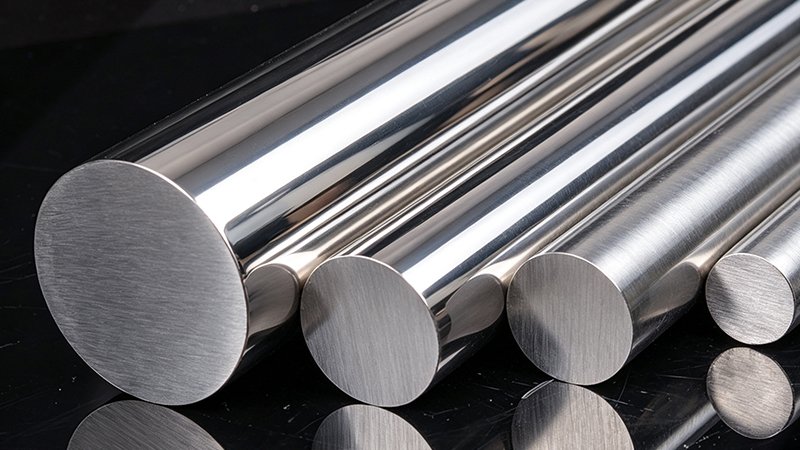
A chrome plated rod consists of a steel base material with a hard chrome layer applied to the external surface. The coating provides a controlled working surface designed for repeated mechanical movement and environmental exposure.
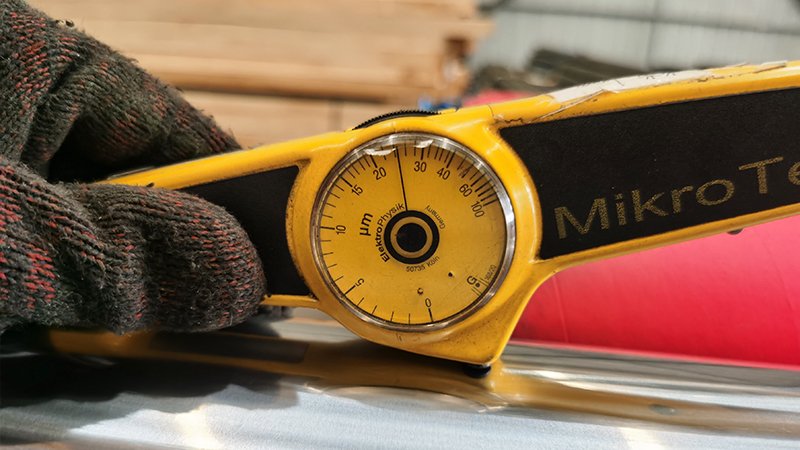
The available product specification includes chrome thickness from 20–100 μm and chrome layer hardness of approximately 850 HV. These values provide a technical starting point, but the correct specification should be determined according to the customer’s cylinder design and application.
Why European Hydraulic Applications Need Controlled Surfaces
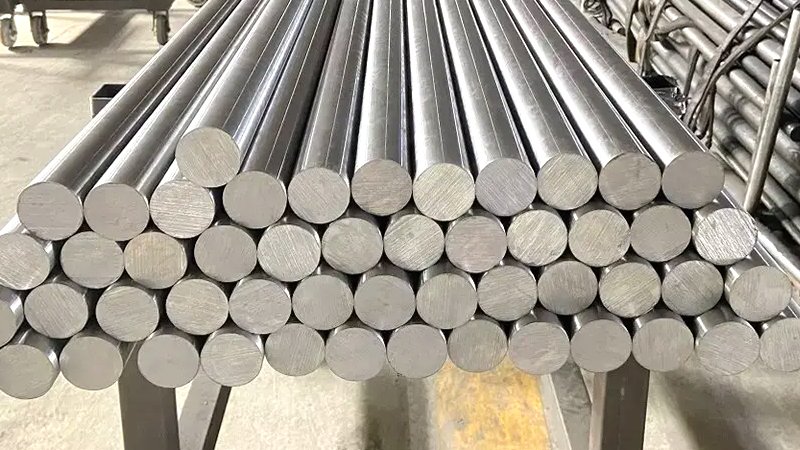
Hydraulic cylinders used in Europe cover many different industries. Industrial automation, material handling, agriculture, construction equipment and mobile hydraulics can all place different requirements on piston rods.
The common factor is repeated rod movement through seals and guides. This makes surface condition important even when the cylinder operates in a relatively clean environment. For outdoor and mobile applications, environmental exposure adds another reason to pay attention to the rod’s surface protection.
Chrome Thickness Should Match the Application
The available product range provides chrome thickness from 20–100 μm. Selecting the appropriate level requires consideration of the operating environment, expected wear, corrosion exposure and final dimensional requirements.
A thicker coating should not automatically be treated as a better solution. The coating must be integrated with the grinding and polishing process so that the final rod still meets the required diameter, tolerance and surface condition.
Surface Roughness and Seal Performance
The external surface of the piston rod is part of the sealing interface. During extension and retraction, the rod moves through the seal while the seal maintains contact with the rod surface.
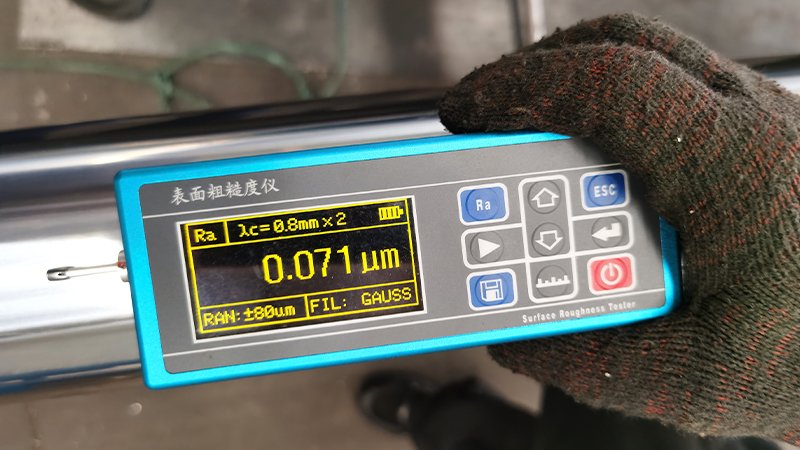
The available product specification lists surface roughness of Ra ≤0.2 μm. This provides a measurable reference for the finished surface and is more useful for technical purchasing than simply describing a rod as polished or smooth.
Diameter Tolerance
The nominal rod diameter is only one part of the dimensional requirement. Hydraulic cylinder manufacturers also need to consider the permitted dimensional variation.
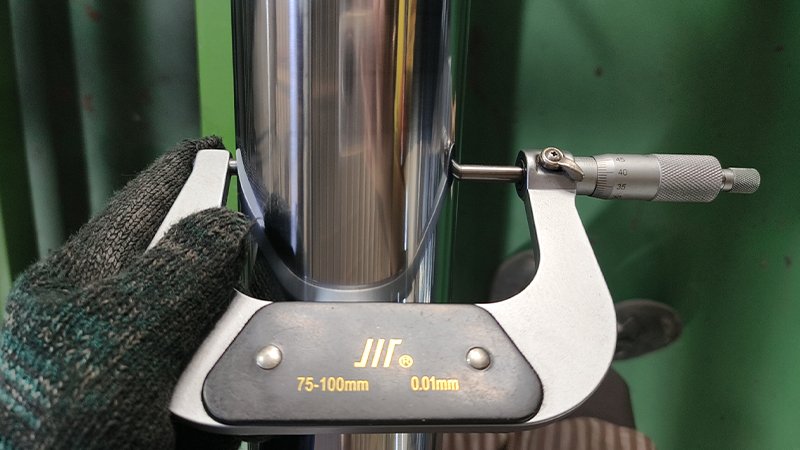
The available product specification includes f7, f8 and g6 tolerance options. The correct tolerance should be selected according to the customer’s drawing and the requirements of the mating seal and guide components.
Straightness and Long-Stroke Cylinders
Straightness becomes particularly relevant when the piston rod is long or when the cylinder operates under demanding mechanical conditions. The rod needs to maintain controlled movement through the guide and sealing system.
The available product specification lists straightness of ≤0.2/1000 mm. This gives buyers a measurable reference when discussing geometric requirements with the supplier.
Material Selection
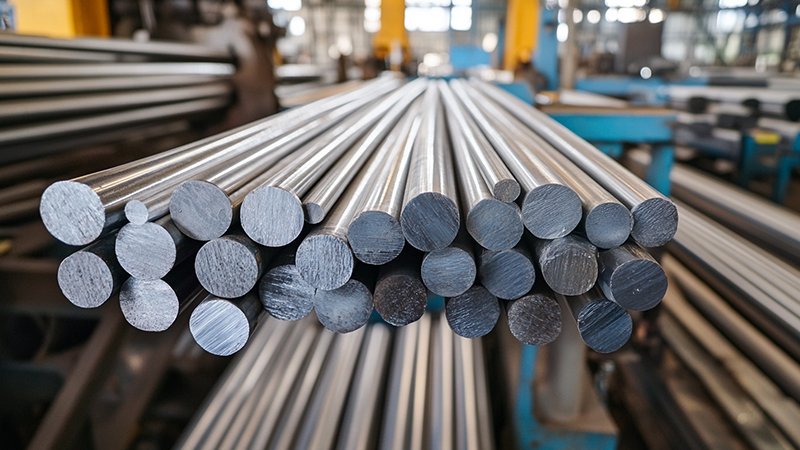
The base material determines many of the mechanical properties of the rod. Different cylinder designs may require carbon steel, alloy steel, stainless steel or other material options depending on load, environment and design requirements.
Available product information includes grades such as CK45, SAE1045, 4140, 42CrMo, 40Cr, 20MnV6, SS430, SS431, 304, 316 and 2205, among others. The correct grade should be confirmed against the customer’s technical requirements rather than selected solely because it is commonly used.
Dimensions and Manufacturing Range
European hydraulic cylinder manufacturers can require rods ranging from relatively small components to very large industrial piston rods. The available product range covers diameters from 6–500 mm and lengths up to 15 m, subject to the product specification.
Large dimensions create additional manufacturing, finishing, handling and inspection requirements. For OEM procurement, the supplier should therefore confirm the actual production capability for the requested diameter and length rather than relying only on a general catalogue range.
Chrome Plated Rods for Mobile Equipment
Mobile and construction equipment can expose piston rods to dirt, moisture, temperature changes and repeated mechanical loading. In these conditions, the external rod surface becomes especially important.
A properly specified chrome plated piston rod can provide a controlled working surface for the cylinder while contributing to resistance against surface wear and corrosion. The complete cylinder design still determines the final performance, so the rod should be specified together with the seal, guide and tube requirements.
Chrome Plated Rods for Industrial Equipment
Industrial cylinders may operate in cleaner and more controlled environments, but they can still experience high cycle counts and demanding operating speeds.
In these applications, dimensional consistency and surface condition can become particularly important because the same cylinder may perform thousands or millions of operating cycles. Stable production batches help OEM manufacturers maintain predictable assembly and service performance.
What Should European OEM Buyers Request?
A professional request should identify diameter, tolerance, length, material, chrome thickness, surface roughness, straightness and quantity. Where applicable, the buyer should also provide a technical drawing and application information.
It is also useful to define inspection and documentation requirements before production. This is especially important for OEM supply chains where incoming inspection and traceability are part of the customer’s normal quality system.
Why Supplier Capability Matters
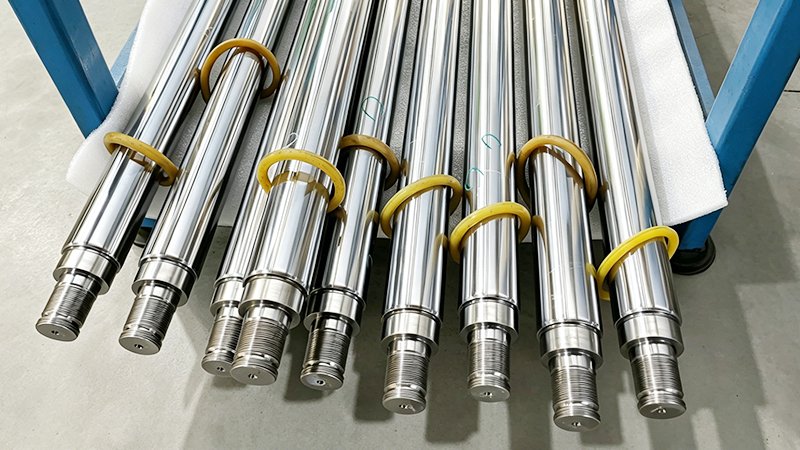
A chrome plated rod is the result of several manufacturing stages rather than one plating operation. Material preparation, machining, chrome plating, grinding, polishing and inspection all influence the final product.
European buyers should therefore evaluate whether the supplier can control the complete process. A supplier that only focuses on chrome plating may not provide the same level of dimensional and surface control as a manufacturer managing the complete rod production route.
A Better Way to Compare Suppliers
Price is naturally important, but comparing suppliers only on price can hide differences in the final specification. Two rods with the same nominal diameter can have different tolerances, surface roughness, chrome thickness and geometric accuracy.
A more useful comparison starts with an identical technical specification. Once material, dimensions, coating, tolerance and surface requirements are fixed, European OEM buyers can evaluate suppliers on quality, consistency, lead time and total procurement value.
The Rod and Tube Should Be Considered Together
The chrome plated rod and honed tube form two important parts of the hydraulic cylinder’s working system. The rod operates against the seals and guides, while the piston operates inside the honed cylinder bore.
For this reason, OEM manufacturers can benefit from coordinating the technical requirements of both components. A complete cylinder approach helps ensure that the rod and tube are selected as compatible components rather than as unrelated products.
Frequently Asked Questions
What chrome thickness is available?
The available product specification lists 20–100 μm.
What surface roughness is available?
The available specification lists Ra ≤0.2 μm.
What rod tolerances are available?
Available tolerance grades include f7, f8 and g6, subject to the specific technical requirement.
What materials are available?
The available material range includes carbon steel, alloy steel, stainless steel and other grades suitable for different hydraulic applications.
Can long chrome plated rods be supplied?
The available product specification supports lengths up to 15 m, subject to diameter, material and production requirements.
Related Products & Applications
Industrial Hydraulic Applications
Agricultural Hydraulic Applications
Need Technical Support?
For European OEM buyers, selecting a chrome plated rod should begin with the finished hydraulic cylinder requirement rather than a catalogue description.
EAST AI supplies chrome plated rod solutions with different materials, dimensions, tolerances, chrome thicknesses and surface requirements for hydraulic cylinder manufacturers and OEM applications.