
Published: 2026-10-29 | Last Updated: 2026-10-29
Stainless steel rod gets specified on a hydraulic cylinder more often as a default precaution against corrosion than as the result of a genuine engineering analysis of the application’s actual exposure conditions. It’s a legitimate choice for genuinely corrosive environments, but it also carries a real cost premium over standard chrome plated carbon steel rod, and that premium is only justified if the application’s actual corrosion exposure genuinely warrants it. Defaulting to the more expensive, more conservative option without a specific analysis behind the decision is an understandable instinct, but it’s not the same thing as a deliberate engineering judgment grounded in the application’s real operating environment.
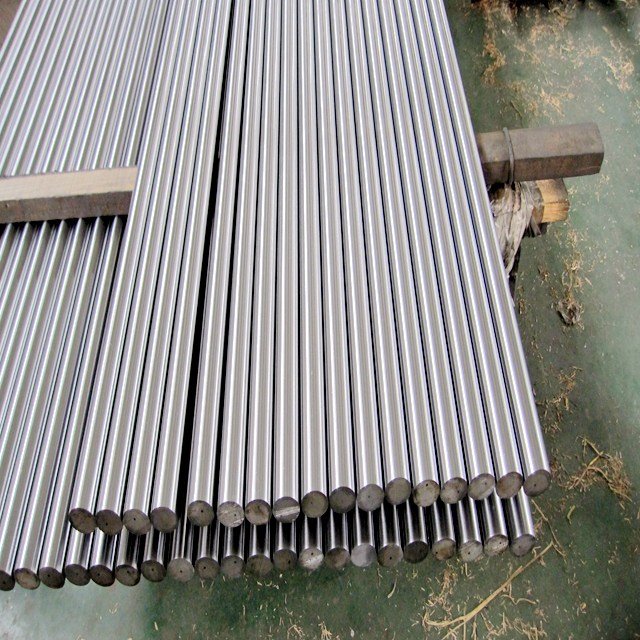
What Actually Drives the Need for Stainless Versus Chrome Plated Carbon Steel
Chrome plated carbon steel rod, properly specified and maintained, provides good corrosion resistance for a wide range of applications, and the corrosion protection it offers comes specifically from the plating layer rather than the underlying substrate. Identify the specific failure mode that stainless steel would actually prevent in your application — is it corrosion from direct chemical exposure, from a marine or high-humidity environment, or from physical damage to the plating that exposes bare carbon steel underneath — since each of these scenarios has a different appropriate solution, and only some of them genuinely require stainless substrate rather than simply better plating quality or protection. A design team that can’t articulate the specific failure mode stainless is meant to prevent is likely specifying it as a general precaution rather than as a targeted solution to an actual identified risk. Asking this one direct question — what specific failure are we actually trying to prevent — during a design review is often enough on its own to surface whether the specification reflects genuine analysis or an inherited assumption nobody has recently examined.
Why Plating Damage Risk Matters More Than Ambient Corrosion Exposure
For many industrial hydraulic applications, the primary corrosion risk isn’t ambient atmospheric exposure but localized plating damage from debris, impact, or wear exposing the underlying carbon steel substrate to corrosion at that specific damaged point. If plating damage from mechanical wear or debris exposure is the actual dominant risk in your application, stainless steel substrate addresses this more directly than simply upgrading plating thickness on a carbon steel rod, since a damaged chrome layer over stainless resists corrosion at the damage point in a way that a damaged chrome layer over carbon steel does not. Recognizing which specific risk dominates in your application — ambient exposure versus point-damage exposure — determines whether the stainless substrate premium is actually solving the real problem or simply adding cost without addressing the mechanism that matters most. Reviewing past field returns for evidence of where corrosion actually originated, at a specific point of plating damage versus distributed across the rod surface, provides concrete evidence to settle this question rather than relying on a general assumption about which risk dominates.
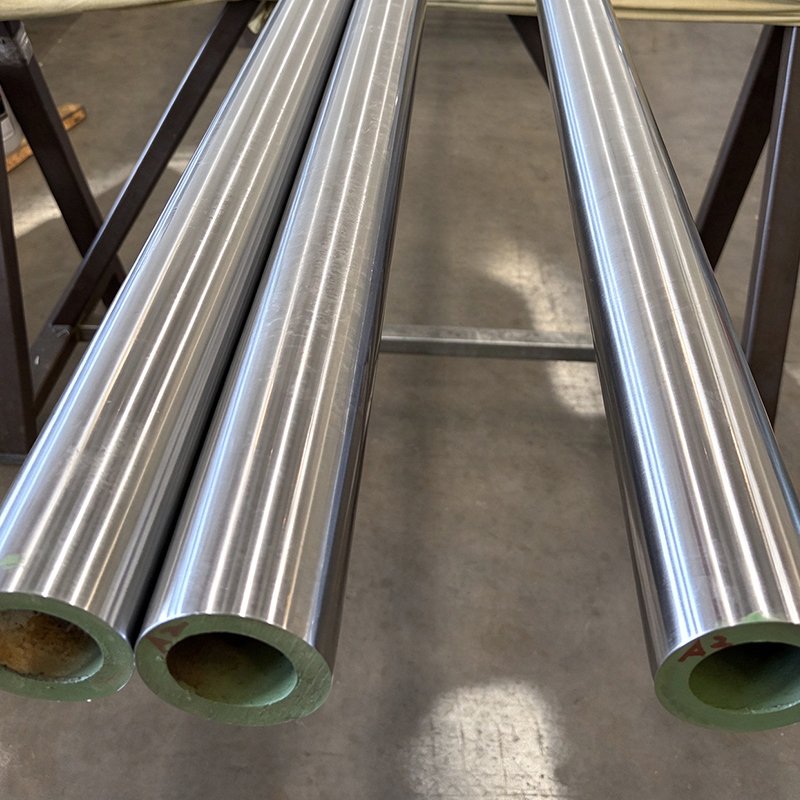
The Real Cost Difference and What It Buys
Stainless steel rod typically carries a meaningful cost premium over chrome plated carbon steel of comparable diameter, driven both by higher raw material cost and generally more complex machining characteristics. Quantify the actual cost premium for your specific rod dimensions and compare it honestly against the expected cost of a corrosion-related field failure on carbon steel rod, including replacement parts, labor, and any downtime cost to the end customer, rather than treating the stainless premium as an abstract number disconnected from the actual financial trade-off it represents. This calculation sometimes favors stainless clearly, and sometimes reveals that the premium substantially exceeds the realistic expected cost of the corrosion risk it’s meant to prevent, which is useful information either way. Running this comparison explicitly, with real numbers rather than a general sense of which option “seems safer,” turns an often emotionally-driven specification decision into a grounded financial comparison that stakeholders can actually evaluate and discuss.
When a Middle-Ground Solution Addresses the Risk More Efficiently
Between standard chrome plated carbon steel and full stainless substrate, intermediate options exist — thicker chrome plating, dual-layer plating systems, or specialized corrosion-resistant coatings applied over carbon steel — that can address moderate corrosion risk at a lower cost premium than a full stainless substrate upgrade. Evaluate whether an intermediate corrosion protection upgrade addresses your application’s actual risk level adequately, rather than defaulting immediately to the most expensive solution simply because it’s the most comprehensive one available, since the appropriate solution should match the actual risk level rather than representing the maximum possible corrosion resistance regardless of whether the application needs it. A design review that considers the full range of available options, rather than treating the decision as binary between standard chrome plating and full stainless, typically arrives at a more cost-effective specification.
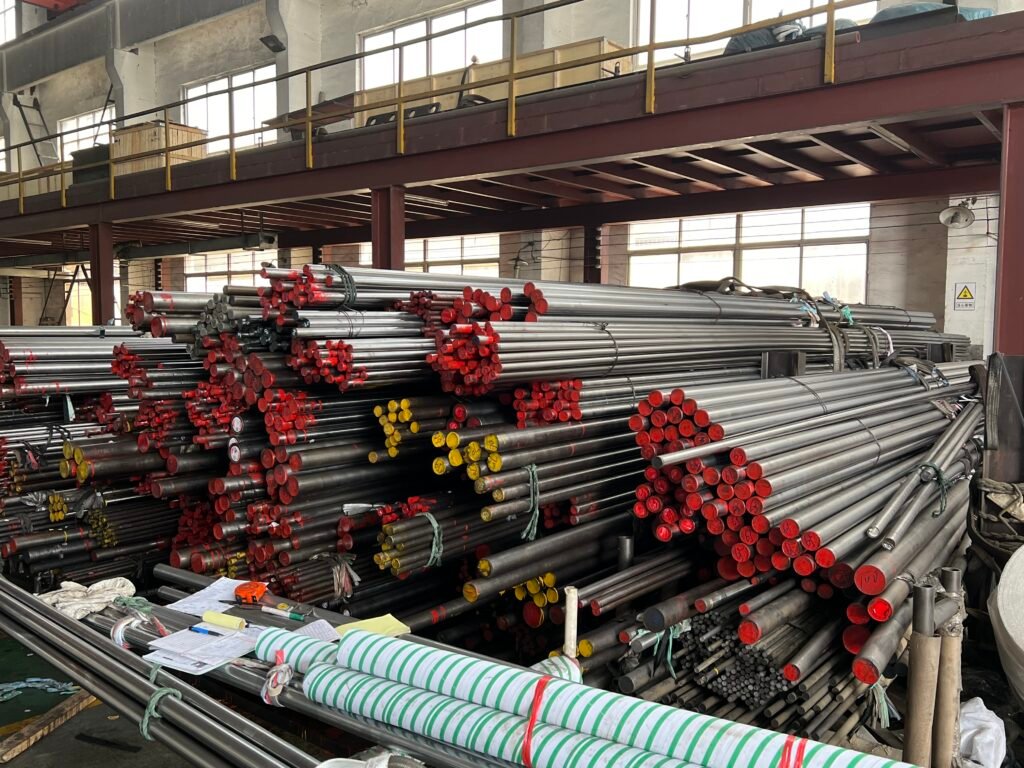
Building the Decision Into a Standard Specification Review Checklist
Rather than relying on individual designer judgment each time a new application comes through, a standard specification review checklist — requiring an explicit corrosion risk assessment and documented rationale before stainless rod is approved — ensures the decision gets made deliberately rather than defaulting to the most conservative option out of habit or uncertainty. This kind of checklist doesn’t need to be complex; a few targeted questions about actual exposure conditions, failure mode, and cost-benefit comparison are usually sufficient to surface whether stainless is genuinely warranted or whether a more cost-effective option would serve the application equally well. Embedding this review into the standard design process, rather than treating it as an optional extra step, ensures the question gets asked consistently across every new design rather than only when someone happens to think to question an inherited default.
How Marine and Offshore Applications Change the Calculation Entirely
Applications operating in direct marine spray exposure, offshore environments, or continuous high-salinity atmospheres represent one of the clearer cases where stainless substrate genuinely earns its cost premium, since the combination of constant moisture, salt, and often limited access for maintenance creates exactly the conditions where plating damage and subsequent corrosion progress fastest and are hardest to catch early. For genuinely marine or offshore applications, the stainless premium is usually justified without extensive case-by-case analysis, since the combination of exposure severity and limited maintenance access removes much of the ambiguity that exists for less extreme industrial environments. This is one of the few scenarios where defaulting to the more conservative, more expensive option without extensive deliberation is a reasonable practical shortcut, precisely because the risk profile is clear enough that detailed analysis rarely changes the conclusion.
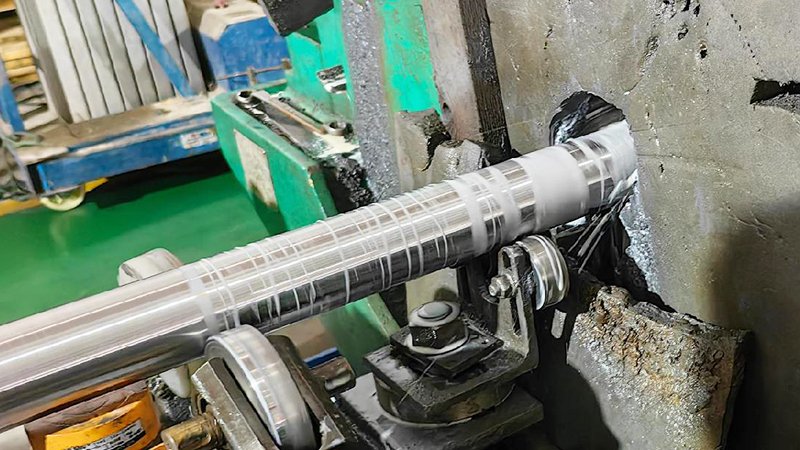
Why Maintenance Access and Inspection Frequency Change the Risk Profile
An application with frequent, easy access for inspection and maintenance carries a meaningfully different risk profile than an identical application in a location that’s difficult or costly to inspect regularly, even if the ambient corrosion exposure is otherwise similar. Factor realistic inspection and maintenance frequency into the stainless-versus-chrome decision, since a carbon steel rod with damaged plating can often be caught and addressed before serious corrosion progresses if inspection happens regularly, while the same damage on a rarely-inspected, remotely located piece of equipment may progress to a serious failure before anyone notices. Equipment destined for remote, hard-to-access installations deserves a more conservative default toward stainless specifically because the usual mitigation of regular inspection isn’t realistically available, independent of the ambient corrosion severity itself.
What Field Failure History Actually Tells You, Properly Interpreted
A design team that has never experienced a corrosion-related field failure on chrome plated carbon steel rod might reasonably conclude the specification has been working, but this conclusion deserves scrutiny regarding how carefully failures have actually been tracked and attributed to root cause, rather than simply the absence of customer complaints. Review actual field failure data, specifically looking for any failures attributed to corrosion or plating damage, before concluding that carbon steel rod has been performing adequately — the absence of reported failures isn’t the same as the absence of actual failures if your failure tracking and root cause attribution process has gaps. A design team with genuinely rigorous failure tracking that confirms a clean corrosion failure history has much stronger evidence to support staying with carbon steel than one relying on an informal impression that “we haven’t heard about problems.”
How to Handle a Customer Request for Stainless When It May Not Be Needed
Sometimes the push toward stainless rod comes not from internal engineering analysis but from an end customer’s own specification preference, possibly inherited from an unrelated application or a general risk-averse purchasing policy rather than a specific assessment of this particular equipment’s actual exposure conditions. When a customer specifically requests stainless rod, it’s worth having a direct conversation about their actual application conditions and the specific concern driving the request, since in some cases a brief technical conversation reveals that chrome plated carbon steel would adequately address their actual concern at meaningfully lower cost, while in other cases the customer’s request reflects a genuine, well-founded requirement that should simply be honored. This conversation costs little and sometimes saves a customer unnecessary cost on a specification upgrade their application doesn’t actually require, while other times it confirms that honoring the stainless request is indeed the right call. Either outcome leaves the customer better informed than simply fulfilling the request as stated without ever discussing the underlying reasoning behind it.
Why Revisiting Legacy Designs With Fresh Analysis Sometimes Pays Off
A long-established product line that has specified stainless rod for years, inherited from an original design decision whose rationale may or may not still be documented, represents a reasonable candidate for periodic re-evaluation, particularly if cost reduction has become a stated priority for that product line. Revisiting a legacy stainless specification with a fresh corrosion risk assessment, rather than assuming the original decision remains correct indefinitely, occasionally reveals that the application’s actual exposure conditions never genuinely required stainless, or that conditions have changed enough over time that a previously appropriate specification no longer represents the optimal choice. This kind of retrospective review requires modest engineering time but can produce meaningful cost savings across an entire production run if the original specification turns out to have been more conservative than the application genuinely required.
Related Reading
- How Should an Equipment Manufacturer Decide Whether a Hydraulic Cylinder Needs Cushioning at All?
- Your Seal Brand Just Went on Backorder. Here’s How to Decide What Happens to Your Cylinder Order.
Written by Alex, Production Engineer at EAST AI