
Published: 2026-10-14 | Last Updated: 2026-10-14
An equipment manufacturer’s engineering team specifying bore material for a new cylinder design faces a choice that gets less structured attention than it deserves: honed tube or skived and roller burnished (SRB) tube. Both processes produce a finished bore suitable for hydraulic cylinder service, both can meet similar dimensional tolerance and surface finish targets, and sales literature from suppliers offering either process tends to present their own option as straightforwardly superior. The actual decision depends on production volume, bore diameter and length, surface finish requirements, and cost structure — not on one process being universally better than the other. Understanding what genuinely differs between these two manufacturing processes, rather than relying on supplier marketing framing, lets an engineering team make the choice that actually fits their specific design and production situation.
What Actually Differs in the Manufacturing Process
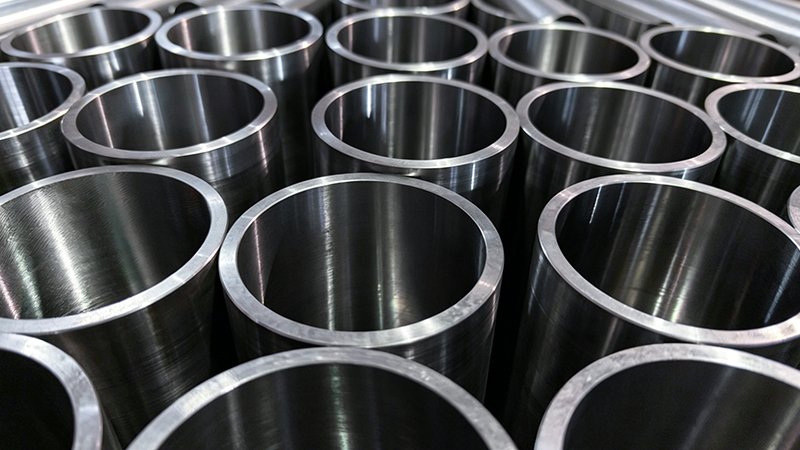
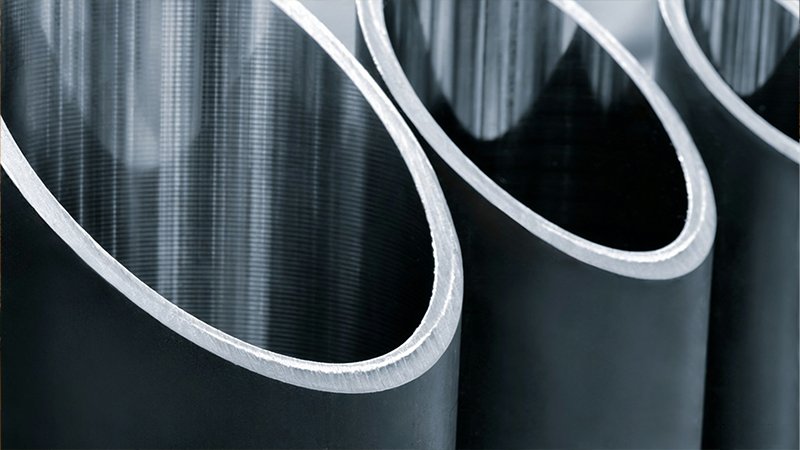
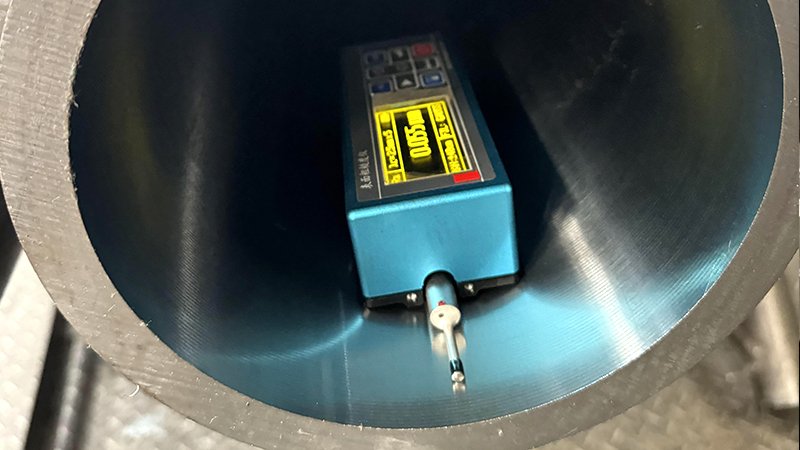
Honing uses an abrasive tool to remove material and create the characteristic cross-hatch surface pattern that retains oil film for lubrication, typically run as a multi-pass process on tube that’s already been through earlier forming and sizing operations. Skiving and roller burnishing is a different mechanical process: skiving removes material with a cutting tool in a single pass, then roller burnishing work-hardens and smooths the resulting surface through controlled rolling pressure, producing a bore finish through plastic deformation rather than abrasive removal. These are genuinely different metal-working mechanisms, and they produce bores with somewhat different surface characteristics — honing’s cross-hatch pattern versus SRB’s smoother, work-hardened surface — that can matter differently depending on seal type and application.
Side-by-Side: Honing vs SRB
| Factor | Honed Tube | SRB Tube |
|---|---|---|
| Material removal mechanism | Abrasive, multi-pass | Cutting (skiving) + plastic deformation (burnishing), fewer passes |
| Typical cycle time | Slower per unit length | Generally faster, especially on longer tube |
| Surface texture | Cross-hatch, engineered oil retention | Smoother, work-hardened; oil retention depends on process tuning |
| Best fit for | Lower-to-mid volume, highly customized runs | High-volume production where cycle time drives unit cost |
| Qualification step worth doing | Confirm cross-hatch angle matches seal/duty | Verify actual oil film retention for your seal type before committing |
Production Speed and Cost Considerations
SRB processing is generally faster per unit of tube length than honing, since it combines material removal and surface finishing into a more continuous operation compared to honing’s typically multi-pass abrasive process. For high-volume production runs where cycle time directly drives unit cost, this speed difference can translate into meaningful cost advantages for SRB tube, particularly on longer tube lengths where the time savings compound. For lower-volume or highly customized production, where setup and changeover time matters more than per-unit cycle time, the cost advantage of SRB narrows or can disappear entirely, making the choice more about surface finish and dimensional requirements than throughput economics.
Surface Finish and Oil Retention Differences
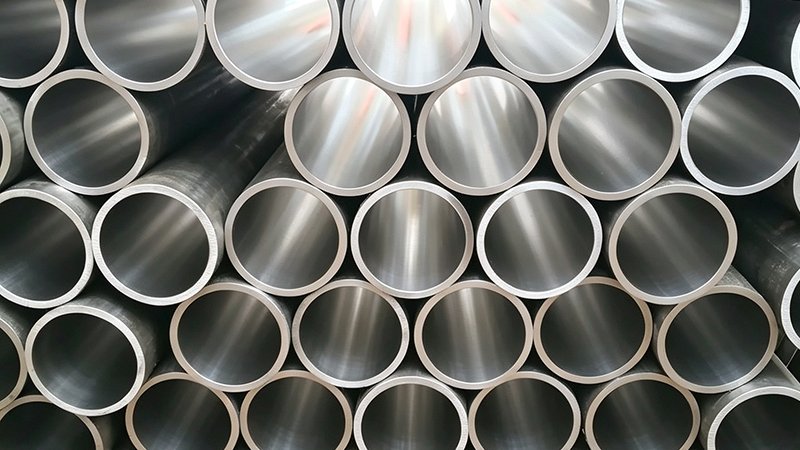
Honing’s cross-hatch pattern is specifically engineered to retain a thin oil film across the bore surface, which supports consistent lubrication for the piston seal as it travels the bore. SRB processing can also be tuned to leave a surface texture with reasonable oil retention characteristics, but the mechanism and resulting surface topology differ from honing’s cross-hatch, and not every SRB process control approach replicates honing’s oil retention performance equally well. For applications with particularly demanding seal life requirements or unusual lubrication conditions, verifying actual oil film retention performance for a specific supplier’s SRB process — rather than assuming it matches honing by default — is a reasonable qualification step before committing a new design to SRB tube.
Dimensional Capability and Length Limitations
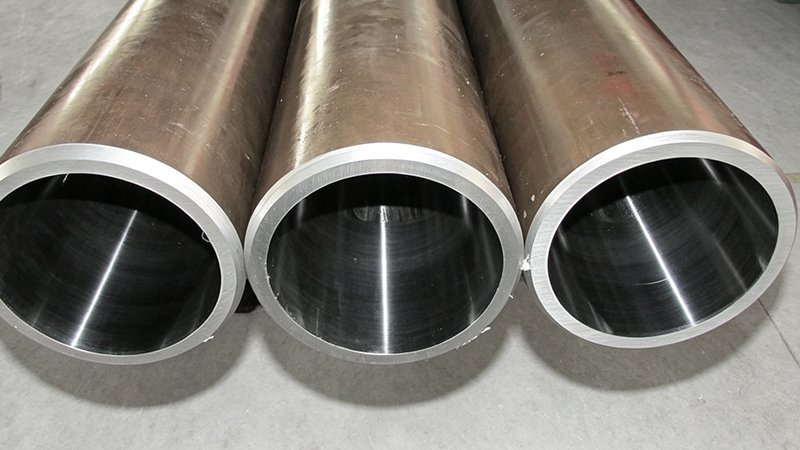
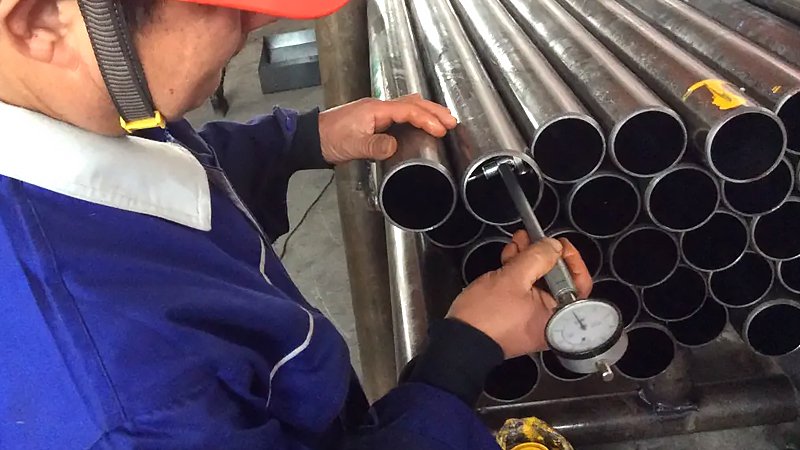
Both processes can achieve tight dimensional tolerances on bore diameter and straightness, but practical capability varies by supplier and equipment, particularly on very long tube lengths or unusual diameter ranges. Equipment manufacturers with designs requiring unusually long single-piece cylinder barrels should confirm a specific supplier’s demonstrated capability on that exact length and diameter combination for whichever process they’re considering, rather than assuming general process capability claims apply uniformly across all size ranges.
Making the Decision for a Specific Design
The practical approach for an engineering team facing this choice is identifying the actual production volume expected for the design, the specific seal type and lubrication requirements the application demands, and the tube diameter and length range involved — then requesting comparative quotes and sample tube from suppliers offering both processes against those exact specifications, rather than defaulting to whichever process a given supplier happens to specialize in. Neither honed tube nor SRB tube is the universally correct choice; the correct choice is whichever process best matches the specific design’s volume, dimensions, and performance requirements.
When It Makes Sense to Qualify Both Processes in Parallel
For OEMs with enough production volume and engineering resources, qualifying both honed tube and SRB tube in parallel for a new design — building test cylinders with each and running comparative life testing — removes the guesswork entirely and produces direct evidence of which process actually performs better for that specific application, rather than relying on general process characteristics that may or may not translate perfectly to a particular design’s conditions.
Related Reading
- Skived and Roller Burnished Tube vs Honed Tube: Process Differences and When Each Wins
- Honed Tube ID Cross-Hatch Angle and Oil Film Retention
- Honed Tube Supplier Qualification: What to Actually Audit Before Committing to a New Source
Request Comparative Samples
Evaluating both processes for a new design? Request comparative quotes and sample tube for both honed and SRB processing against your exact specification.
What We Offer
- Both honed tube and skived and roller burnished tube manufacturing capability under one roof
- Comparative sample and quotation support for OEMs evaluating both processes for a new design
- Demonstrated dimensional capability data across standard and extended length and diameter ranges
- Full material traceability and inspection documentation on either process
Contact EAST AI (eastai-tech.com) Email: marketdi@east-ai.cn Phone: +86 13382202696 Address: No. 108, Lunan Road, Wuxi, Jiangsu, China.
Written by Alex, Production Engineer at EAST AI