
Published: 2026-10-14 | Last Updated: 2026-10-14
Procurement teams run into this scenario more often than they’d like: two suppliers quote chrome plated rod to the exact same specification — same base steel grade, same chrome thickness, same hardness range, same surface finish — and yet cylinders built with rod from one supplier consistently outlast cylinders built with rod from the other. When the paper specifications are genuinely identical but field performance isn’t, the explanation almost always lives in process details that specifications don’t capture, because a specification describes the target, not the manufacturing discipline required to hit that target consistently. Understanding where this gap comes from helps buyers evaluate suppliers on dimensions that actually predict performance, rather than relying solely on specification sheets that look the same on paper.
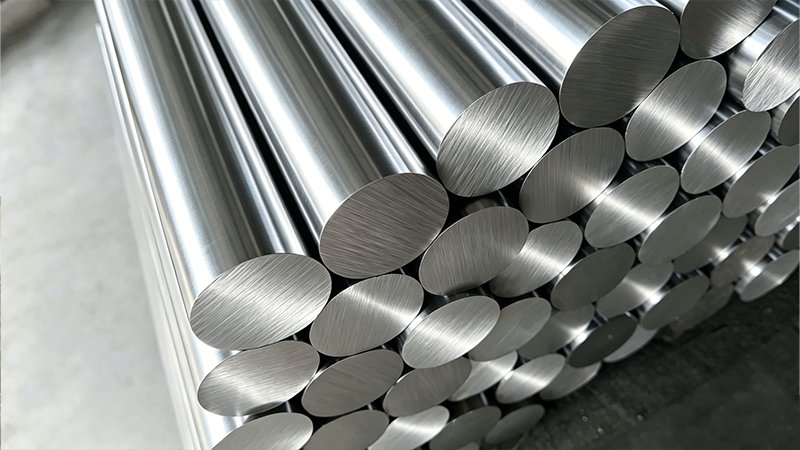
Specifications Describe Outcomes, Not Methods
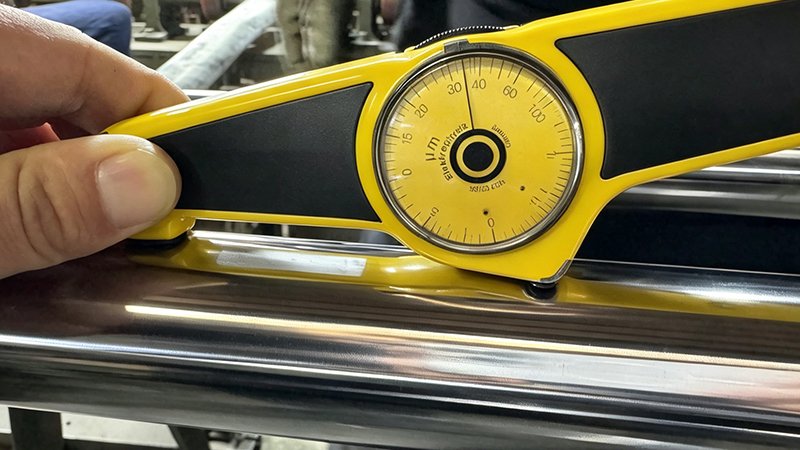
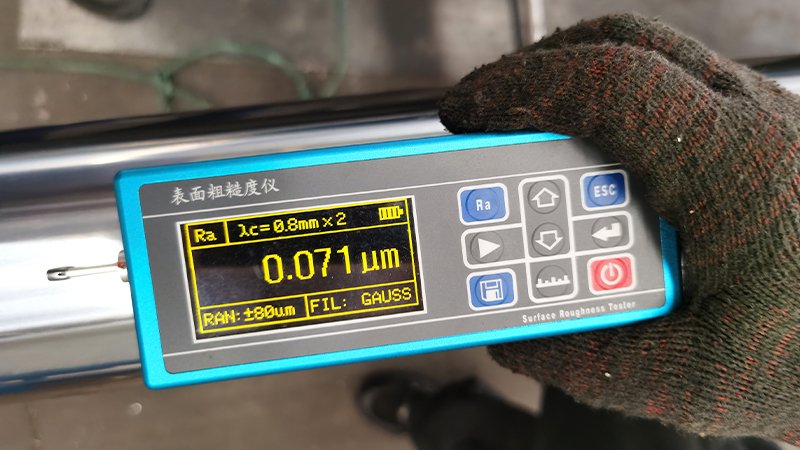
A chrome thickness specification of, say, 20-30 microns tells you the acceptable range for the finished layer, but says nothing about bath chemistry control, current density uniformity, plating time precision, or how consistently a given supplier actually hits the middle of that range versus drifting toward one edge. Two suppliers can both pass the same specification while one consistently delivers 25-microns-plus-or-minus-2 and the other delivers anywhere from 20 to 30 depending on the day — both technically compliant, but representing very different actual consistency. This same logic applies to hardness, surface roughness, and base steel mechanical properties: the specification sets boundaries, but manufacturing discipline determines where within those boundaries actual production lands, batch after batch.

Where the Hidden Gap Usually Lives
| Factor | Appears on a Spec Sheet? | Why It Still Causes Field Differences |
|---|---|---|
| Chrome thickness range | Yes | Two suppliers can both comply while one drifts across the full band and the other holds tight to the middle |
| Base steel grade designation | Yes | Same nominal grade can vary in microstructure and inclusion content depending on mill quality control |
| Surface preparation before plating | No | Cleaning and activation steps affect long-term adhesion but are never a line item on a quote |
| Production consistency over time | No | Rarely requested; usually only a single certificate is reviewed, not trend data |
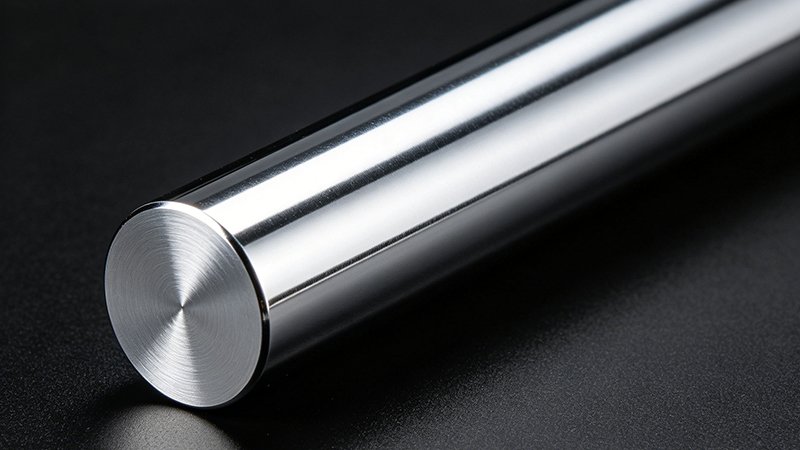
Base Steel Quality Variation Within the Same Nominal Grade
Base steel specified to the same grade designation — say, 45# carbon steel or 40Cr alloy steel — can still vary in actual microstructure, inclusion content, and consistency depending on the steel mill’s own quality control and whether a tube or rod manufacturer sources consistently from a single qualified mill or opportunistically from whichever mill offers the best price on a given order. This variation sits upstream of the plating process entirely, meaning two chrome plated rods meeting the same final specification can start from base steel of meaningfully different actual quality, which affects fatigue performance and long-term reliability in ways a chrome thickness and hardness check alone won’t reveal.
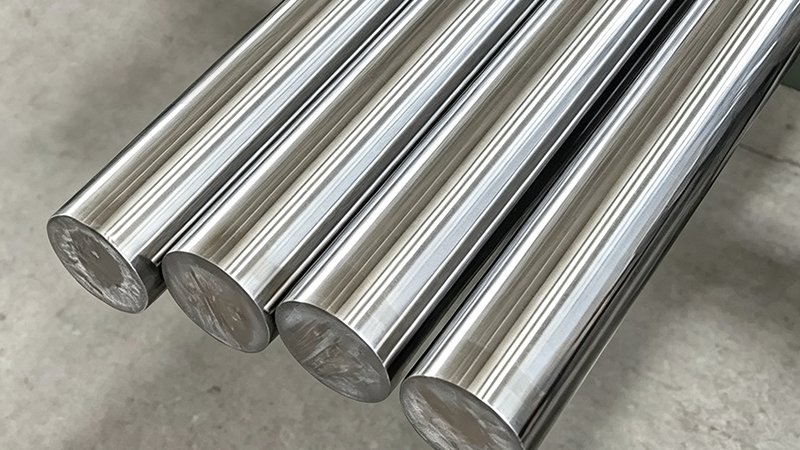
Surface Preparation Before Plating Rarely Appears on a Spec Sheet
Chrome adhesion and long-term coating integrity depend heavily on surface preparation steps before plating — cleaning thoroughness, surface activation, and process timing — that essentially never appear as a line item on a customer-facing specification sheet, because they’re internal process steps rather than measurable final-product characteristics. A supplier with rigorous, well-controlled surface preparation produces rod with better long-term adhesion than one with marginal preparation, even when both rods measure identically on thickness and hardness at the time of shipment.
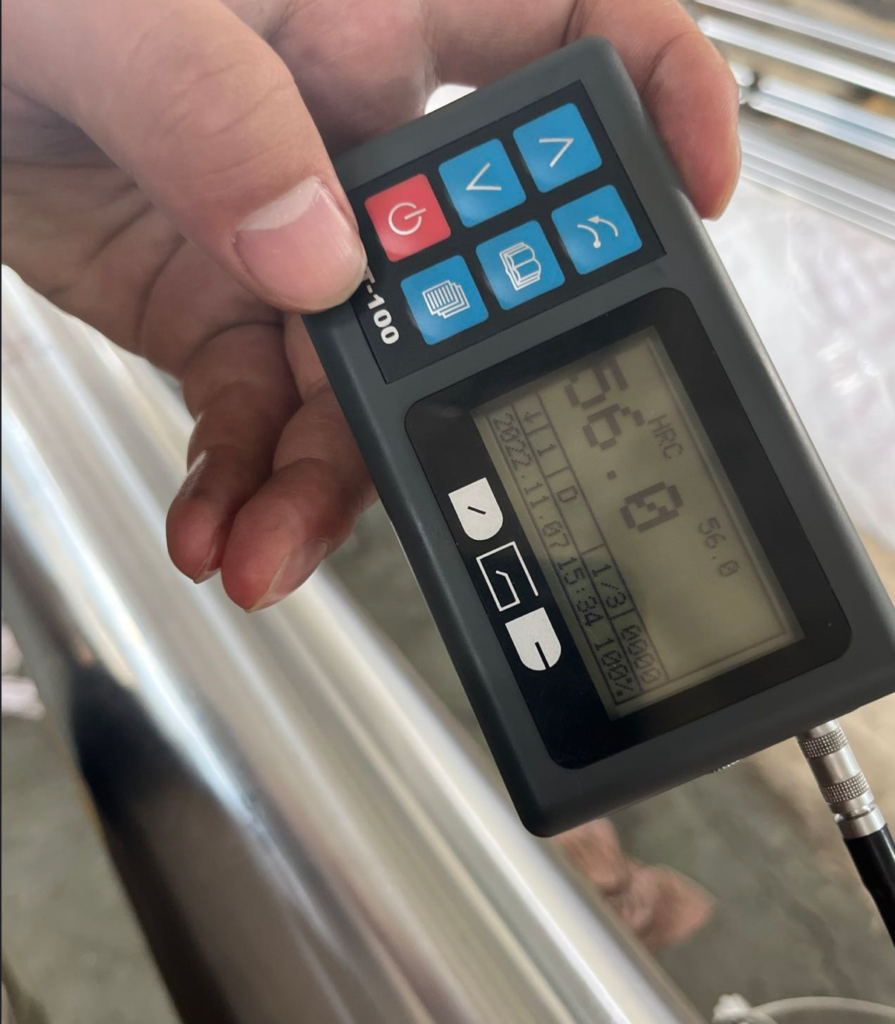
Why This Makes Supplier Evaluation Harder Than Spec Comparison
This is precisely why evaluating chrome plated rod suppliers purely on specification sheet comparison misses the dimension that actually predicts field performance. The more reliable signals are a supplier’s demonstrated production consistency over time, their base steel sourcing discipline, and their willingness to share process-level information rather than just final specification numbers — none of which show up on a standard quotation, but all of which separate suppliers who happen to hit the same specification from suppliers who reliably hit it with tight, well-controlled process variation.
What Buyers Can Actually Do About This
Requesting production consistency data across multiple historical batches, rather than a single certificate, is the most direct way to assess whether a supplier’s actual process discipline matches their paper specification. Asking about base steel sourcing — single qualified mill versus opportunistic sourcing — and about surface preparation and quality control steps before plating, gives insight into the process variables that specifications don’t capture. For high-value or safety-relevant applications, running a side-by-side field trial with cylinders from both suppliers’ rod, rather than relying on specification comparison alone, is the most direct way to actually measure the performance difference specifications can’t predict.
Related Reading
- Chrome Rod Hydrogen Embrittlement: Why Baking After Plating Is Not Optional on High-Strength Steel
- Chrome Plated Rod Residual Stress: Why Thick Chrome Layers Can Self-Crack Without Any Load Applied
- Chrome Plated Rod Flash Rust Between Plating and Final Inspection: A Production Timing Problem, Not a Material Defect
Request a Side-by-Side Comparison
Want to see production consistency data before committing to a supplier switch? Contact our team for historical batch data and sample rod for comparison testing.
What We Offer
- Chrome plated rod produced with disciplined bath chemistry, current density, and process timing control
- Base steel sourced consistently from qualified mills rather than opportunistic short-term purchasing
- Documented surface preparation process supporting long-term coating adhesion
- Production consistency data available for buyers conducting supplier comparisons
Contact EAST AI (eastai-tech.com) Email: marketdi@east-ai.cn Phone: +86 13382202696 Address: No. 108, Lunan Road, Wuxi, Jiangsu, China.
Written by Alex, Production Engineer at EAST AI