
Published: 2026-10-14 | Last Updated: 2026-10-14
A quality manager at a cylinder manufacturing plant once discovered, during a routine audit, that the mill test certificate filed with a shipment of honed tube described chemical composition and mechanical properties for a different heat lot than what had actually been received and used in production for the past two months. Nobody had deliberately falsified anything — a paperwork mismatch during repackaging at an intermediate distributor had simply attached the wrong certificate to the wrong physical shipment. The tube itself may well have been fine. The real problem was that nobody could prove it, because the documentation trail connecting the physical material to its certified properties had broken. This is a more common failure mode than outright certificate fraud, and it’s one that buyers can largely protect themselves against with a few verification habits that take minutes, not days.
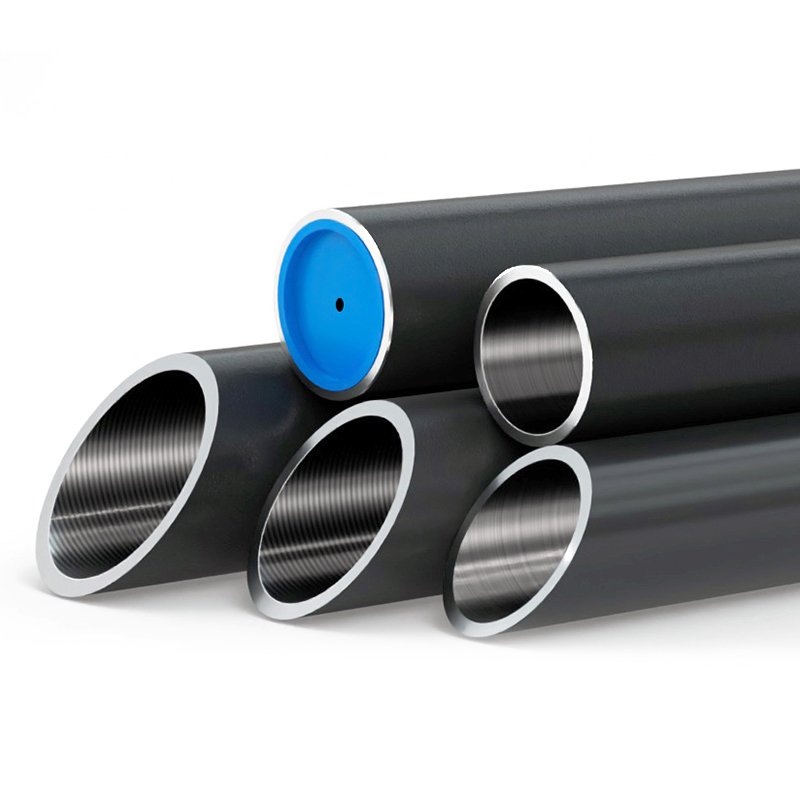
What a Legitimate Mill Test Certificate Should Actually Contain
A proper MTC for honed tube includes the heat number tying the material back to a specific melt at the steel mill, chemical composition results for that heat, mechanical property test results (tensile strength, yield strength, elongation, hardness) run on actual samples from that production lot, and dimensional inspection data confirming the tube meets its specified tolerances. The heat number is the critical link — it’s what allows a buyer to trace the physical tube back to the specific certificate claiming to describe it, and verifying that the heat number on the certificate matches a heat number stamped or marked on the actual tube is the single most important check available.
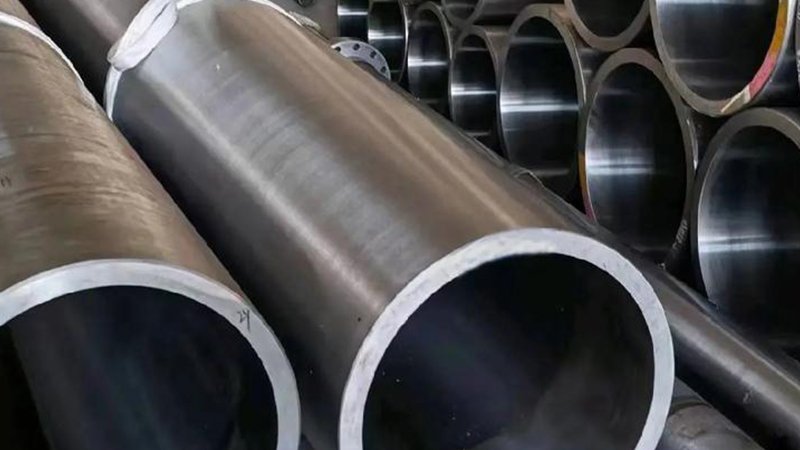
Why Heat Number Matching Matters More Than Reading the Numbers Themselves
Buyers often focus entirely on whether the mechanical property numbers on a certificate meet specification, which matters, but skip the more basic step of confirming the certificate actually belongs to the shipment in hand. A certificate showing excellent numbers is worthless as proof of quality if it describes a different batch of material than what’s sitting on the receiving dock. Checking that the heat number marked on the tube — typically stamped, stenciled, or tagged near the tube ends — matches the heat number on the certificate takes thirty seconds and catches the exact kind of documentation mismatch that caused the audit problem described above.
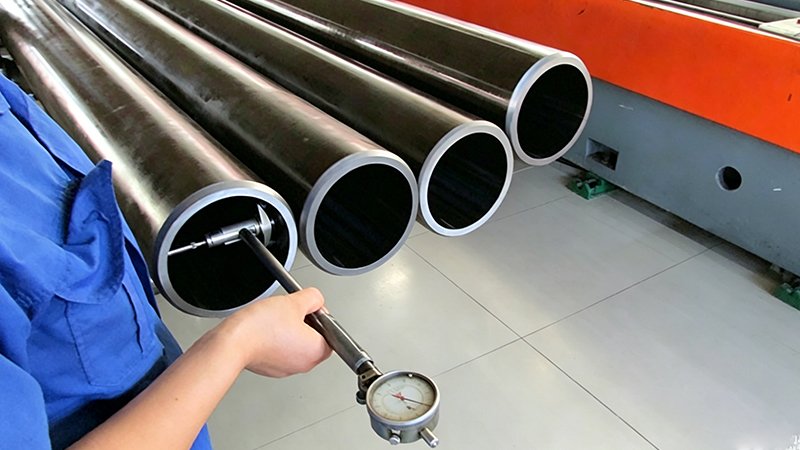
Red Flags Worth a Second Look
| Red Flag | Why It Matters |
|---|---|
| Suspiciously round, “clean” test numbers | Real test data has natural variation; perfectly round figures suggest estimation, not measurement |
| Certificate format differs from prior shipments, unexplained | May indicate a different production source or a copied template |
| Missing heat number, or one with no matching mark on the tube | The core traceability link is broken |
| Test dates that don’t align with the shipment’s production/shipping timeline | Suggests the certificate may belong to a different lot |
None of these individually proves a problem, but any of them is worth a direct question to the supplier before accepting the material into production inventory.
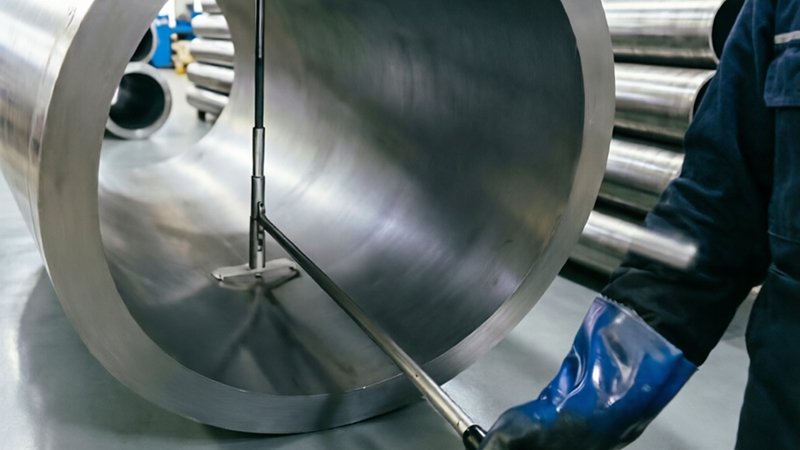
Third-Party Verification for High-Stakes Applications
For applications where material integrity is safety-critical or where contractual or regulatory requirements demand independent verification — certain mining, oil and gas, or structural applications — commissioning independent third-party testing through recognized inspection bodies on a sample basis provides verification that doesn’t rely on trusting the supplier’s own paperwork at all. This isn’t necessary for every purchase, but for applications where a certificate error could have serious consequences, the cost of periodic third-party verification is cheap insurance against exactly the kind of disconnect between paperwork and physical material described here.
Building Verification Into Receiving Procedures
The practical fix isn’t distrust of suppliers in general — it’s building a simple, consistent heat-number cross-check into standard receiving procedures for every shipment, regardless of how long a supplier relationship has existed. This single habit, done consistently, closes the most common gap between what a certificate claims and what actually arrived, protecting a buyer from problems that have nothing to do with the supplier’s actual manufacturing quality and everything to do with paperwork handling somewhere along the supply chain.
What to Ask a Supplier Directly
Buyers establishing a new honed tube sourcing relationship can reasonably ask upfront how the supplier’s internal process ensures certificates stay matched to physical shipments through packaging, labeling, and transit — a supplier with a mature quality system will have a clear, specific answer to this question rather than a vague assurance that “we’re careful.”
Related Reading
- Honed Tube Supplier Qualification: What to Actually Audit Before Committing to a New Source
- Honed Tube Bore Taper Along Length: Why a Tube Can Pass Diameter Checks at Both Ends and Still Be Wrong in the Middle
- Honed Tube Hardness Gradient From Surface to Core: Why a Single Hardness Reading Doesn’t Tell the Full Story
Request Documentation Verification Support
Unsure how to verify a certificate against a shipment you’ve already received? Contact our team and we’ll walk through what to check.
What We Offer
- Honed tube shipped with mill test certificates verified against heat numbers marked on the physical tube
- Full chemical composition, mechanical property, and dimensional inspection data on every batch
- Support for third-party verification requests on safety-critical or regulated applications
- Transparent documentation practices for buyers establishing new sourcing relationships
Contact EAST AI (eastai-tech.com) Email: marketdi@east-ai.cn Phone: +86 13382202696 Address: No. 108, Lunan Road, Wuxi, Jiangsu, China.
Written by Alex, Production Engineer at EAST AI