
Here’s something that surprises people new to hard chrome specification: a rod can crack its chrome layer sitting on a shelf, with zero load applied, zero service life accumulated, just from internal stress built into the plating process itself. It’s not common, but it’s real, and understanding why it happens tells you a lot about why chrome thickness isn’t a simple “more is better” decision.
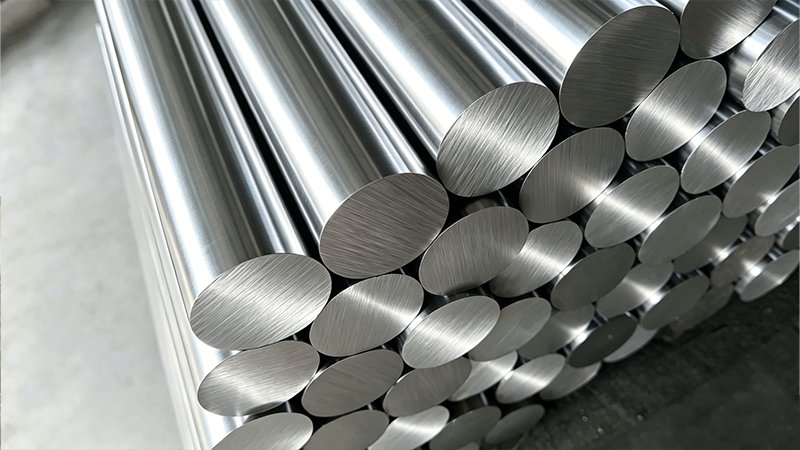
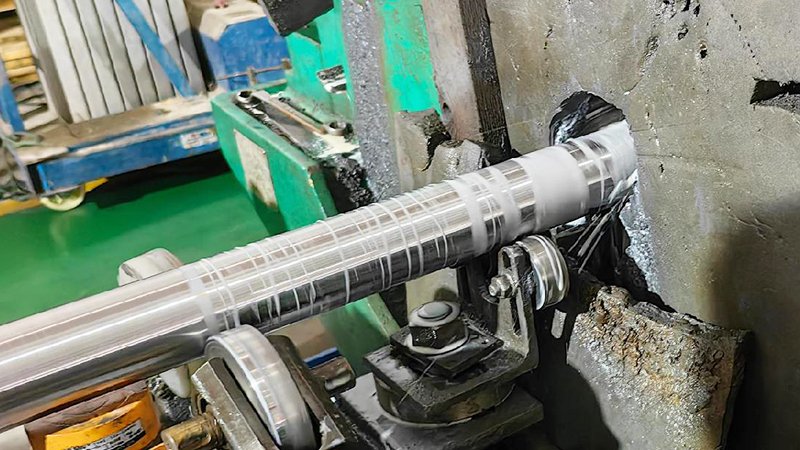
Hard chrome plating deposits under tensile stress. As the chrome layer builds thickness during the plating process, that internal stress accumulates along with it. Past a certain thickness, the accumulated stress can exceed the chrome’s own cohesive strength, and the layer develops a network of fine micro-cracks — sometimes visible under magnification, sometimes requiring more careful inspection to detect. This cracking is largely a function of thickness and plating process control, independent of whether the part has ever been loaded in service.
Why This Matters Beyond the Obvious Cosmetic Concern
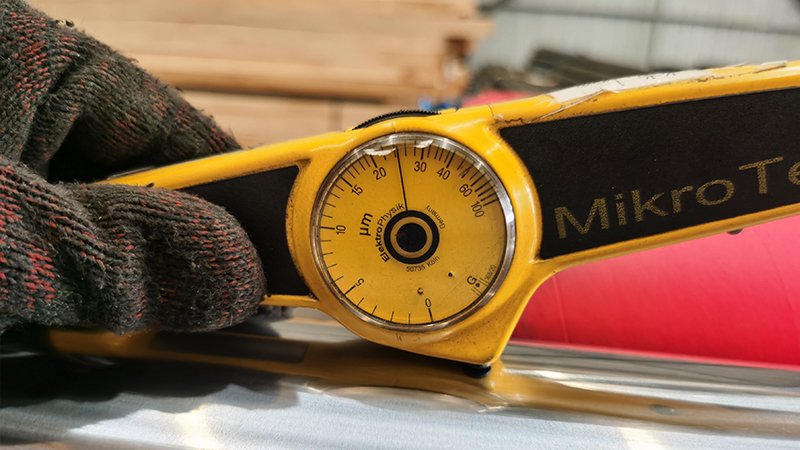
A finely cracked chrome layer isn’t automatically a functional failure — many hard chrome specifications actually expect and tolerate a degree of micro-cracking as a normal characteristic of the deposit, and it doesn’t necessarily compromise wear resistance in typical service. The real concern is corrosion: those micro-cracks provide a more direct path for moisture or corrosive media to reach the base steel than an uncracked chrome surface would, which is exactly why residual stress and crack density matter more for applications with genuine corrosion exposure than for dry, indoor, low-corrosion-risk duty.
Thickness Isn’t a Free Lever for Wear Resistance
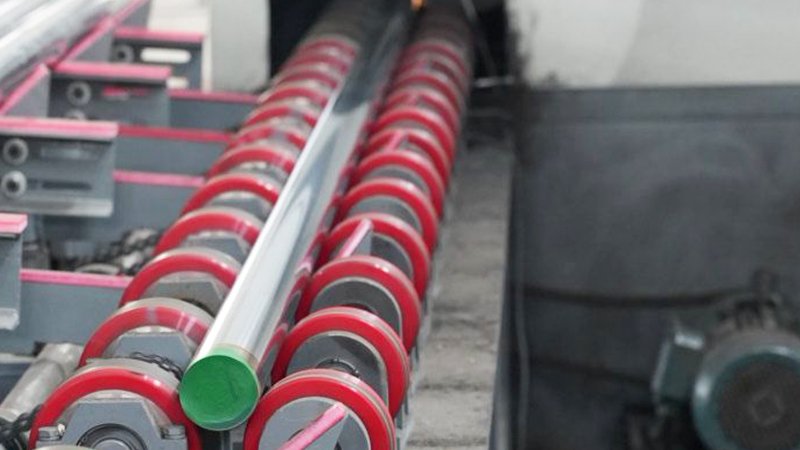
This is the part that catches people off guard: specifying maximum chrome thickness to maximize wear resistance can work against you if the resulting stress level pushes crack density higher than an application with real corrosion exposure can tolerate. The right chrome thickness is a balance between wear resistance on one side and controlled residual stress on the other, not simply the thickest layer a budget allows.
Process Control Reduces the Problem at Any Given Thickness
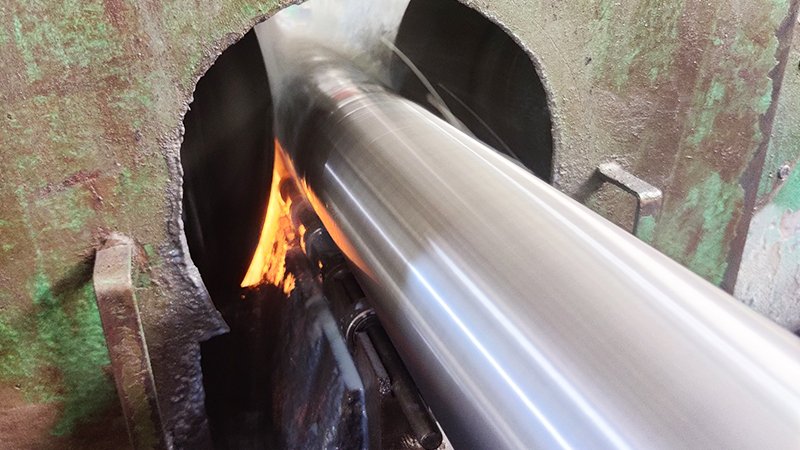
Plating process parameters — current density, bath chemistry, temperature control during deposition — directly affect how much stress accumulates for a given thickness. Well-controlled process conditions can achieve a given thickness with meaningfully lower crack density than poorly controlled conditions achieving the same nominal thickness, which is part of why chrome thickness alone, without context on the plating process behind it, is an incomplete way to evaluate a supplier’s product.
Where This Becomes a Real Specification Issue
For applications with genuine corrosion exposure — anything approaching marine, washdown, or sustained humidity duty — asking a supplier about typical crack density at the thickness you’re specifying, rather than assuming thickness alone tells the whole story, is a reasonable and informed question. For dry indoor applications where wear resistance dominates and corrosion risk is minimal, this concern matters much less, and a thicker chrome specification carries less practical downside.
Getting the Balance Right for Your Application
The practical lesson is to specify chrome thickness against both the wear demand and the corrosion exposure together, rather than treating thickness as a single-purpose wear-resistance dial. A rod specified purely for maximum wear resistance, without consideration of the corrosion environment it will actually face, can end up with a crack density that undermines the corrosion protection a buyer assumed came bundled with “thick, durable chrome.”
At EAST AI we specify and control chrome thickness against the actual combination of wear and corrosion demand a customer describes, rather than defaulting to maximum thickness as a universal answer.
Related Reading
- Chrome Plated Rod Diameter Tolerance Class f7: Why the Grade on the Drawing Matters
- Chrome Rod Hydrogen Embrittlement: Why Baking After Plating Is Not Optional on High-Strength Steel
- Chrome Rod Plating Uniformity on Long Rods: Anode Positioning and Current Density
What We Offer
- Chrome plated rod with thickness specified against combined wear and corrosion demand, not thickness alone
- Controlled plating process parameters to minimize crack density at any given specified thickness
- Technical consultation on the actual tradeoff between wear resistance and corrosion risk for your application
- Full material traceability from base steel through finished, process-controlled chrome layer
Contact EAST AI (eastai-tech.com) Email: marketdi@east-ai.cn Phone: +86 13382202696 Address: No. 108, Lunan Road, Wuxi, Jiangsu, China.
Written by Alex, Production Engineer at EAST AI