
A fastener and rod supplier once received a batch of high-strength chrome plated rod back from a customer with reports of sudden, unexplained cracking weeks after installation, with no obvious overload or impact event to explain the failure. The chrome had plated correctly, the hardness was within specification, and the dimensions checked out. The cause, confirmed by metallurgical analysis, was hydrogen embrittlement, introduced during the electroplating process itself and never fully relieved afterward, a failure mode that can take days or weeks to manifest after a part looks completely fine on every immediate check.
This article is for engineers and procurement staff specifying chrome plated rod on high-strength base steel, and it explains what hydrogen embrittlement is, why the electroplating process makes it a real risk, and why a post-plating baking step is essential rather than optional for susceptible materials.
How Plating Introduces Hydrogen Into the Steel
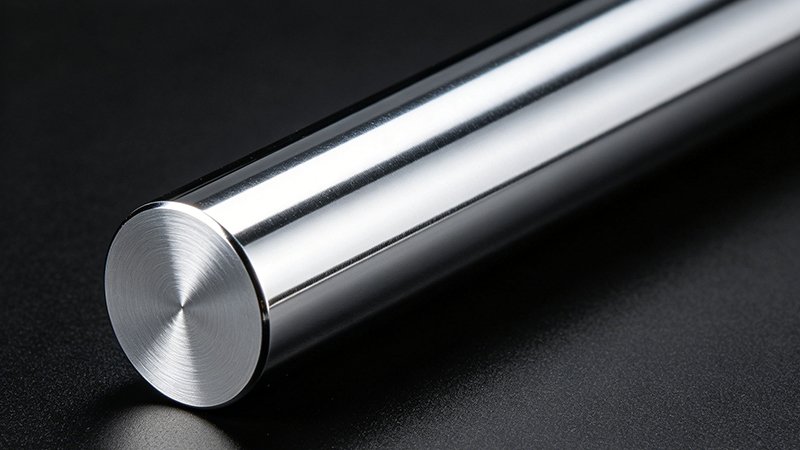
Hard chrome electroplating involves an electrochemical process in which hydrogen is generated at the part’s surface as a byproduct of the plating reaction. Some of this hydrogen can diffuse into the base steel during the plating process, and once absorbed, atomic hydrogen can migrate to regions of high stress concentration within the steel’s microstructure, where it can significantly reduce the material’s ductility and fracture resistance, a condition known as hydrogen embrittlement.
This is a particular concern for high-strength steels, generally those with higher hardness levels achieved through heat treatment, because higher-strength microstructures tend to be considerably more susceptible to hydrogen-induced cracking than lower-strength, more ductile steels. A rod on a softer base steel grade may absorb similar amounts of hydrogen during plating and show little practical effect, while the same hydrogen content in a high-strength grade can lead to delayed cracking under service load.
Why This Failure Is Delayed and Deceptive
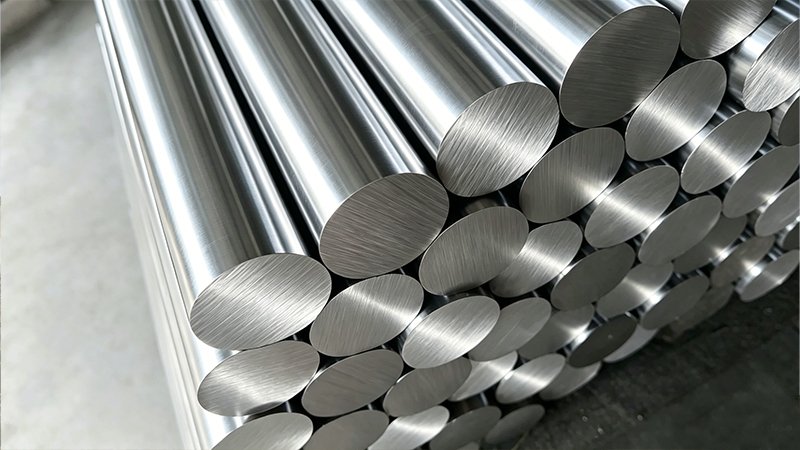
Hydrogen embrittlement cracking often does not appear immediately after plating or even immediately after a part enters service. Hydrogen must diffuse to susceptible locations and interact with applied or residual stress over time, which means a part can pass every dimensional, hardness, and visual inspection immediately after plating and still crack days, weeks, or even months later under normal service loading, exactly the pattern that confused the customer in the example above, who initially suspected an overload event rather than a latent material condition.
Baking: The Standard Mitigation
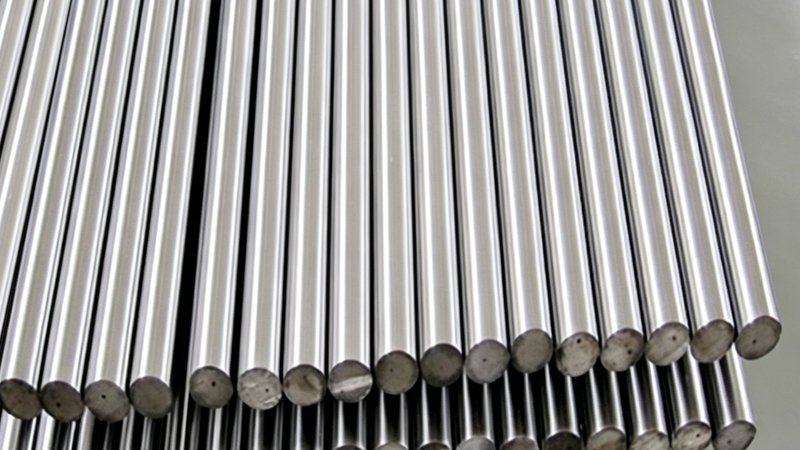
The established practice for mitigating hydrogen embrittlement risk is post-plating baking, heating the plated part to a specified temperature for a specified duration shortly after plating, which allows absorbed hydrogen to diffuse back out of the steel before it can migrate to and accumulate at susceptible internal locations. The specific baking temperature and time depend on the base steel’s strength level and the relevant industry specification governing the application, with higher-strength steels generally requiring more rigorous baking parameters.
Baking must happen within a limited time window after plating for maximum effectiveness, since hydrogen that has already migrated to a susceptible site and begun contributing to crack initiation is harder to fully reverse than hydrogen caught and driven out shortly after it entered the steel. This is why baking is typically built into a plating line’s standard process flow immediately following plating, rather than treated as an optional step applied only on request.
When Baking Is Most Critical
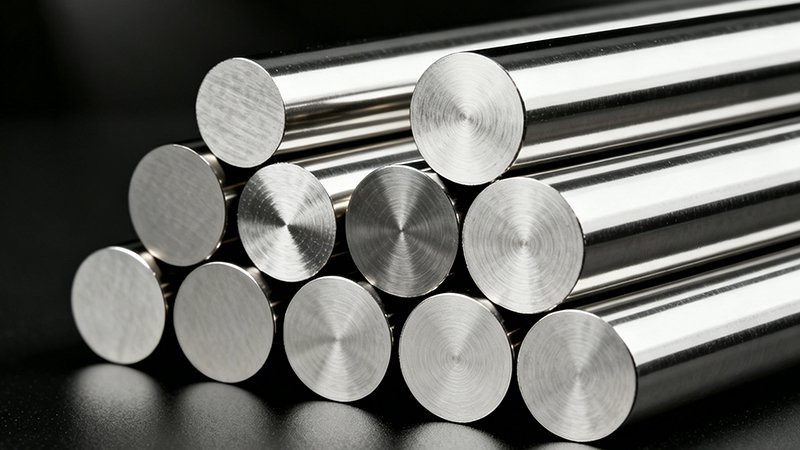
Baking is most critical for high-strength base steel grades, particularly those used in induction-hardened or similarly high-hardness conditions, and for applications subject to significant sustained or cyclic stress in service, where any embrittlement effect has the greatest opportunity to manifest as cracking. Lower-strength, more ductile base steel grades carry meaningfully lower risk, though baking as a standard process step remains good practice across the board for any safety-relevant or high-consequence application.
Specifying Baking as a Requirement
For procurement and engineering staff specifying chrome plated rod on high-strength base steel, confirming that a supplier’s standard process includes post-plating baking to an appropriate specification, rather than assuming it happens automatically, is essential due diligence rather than an unnecessary precaution. Requesting documentation of the baking parameters used, temperature, duration, and timing relative to plating, on the certificate for high-strength or safety-relevant orders gives a buyer verifiable evidence that this critical step was actually performed.
At EAST AI, chrome plated rod on induction-hardened and other high-strength base steel grades is baked following plating as a standard, documented process step, and baking parameters are available on request for safety-relevant applications.
Related Reading
- Chrome Plated Rod Base Steel: Carbon Steel Core vs Alloy Steel Core
- Chrome Plated Rod Hardness Testing: Vickers vs Rockwell and What the Numbers Mean
- Chrome Plated Rod Thread Rolling vs Cutting: Protecting the Chrome at the Ends
A Part That Passes Every Check Can Still Crack Later
Hydrogen embrittlement from electroplating does not show up on dimensional, hardness, or visual inspection; it can crack weeks after service begins. Confirm post-plating baking is part of your supplier’s standard process for high-strength base steel, and ask for documented baking parameters on critical orders.
What We Offer
- Chrome plated rod on high-strength base steel with documented post-plating baking as standard process
- Baking parameters available on request for safety-relevant and high-consequence applications
- Base steel grade guidance balancing strength requirements against embrittlement susceptibility
- Full material traceability from base steel heat through finished, baked rod
Contact EAST AI (eastai-tech.com) Email: marketdi@east-ai.cn Phone: +86 13382202696 Address: No. 108, Lunan Road, Wuxi, Jiangsu, China.
Written by Alex, Production Engineer at EAST AI