
An assembler once destroyed three brand-new piston seals in a row installing them into honed tube barrels from a new supplier, before realizing the problem was not the seals or his technique but a sharp, unbroken edge at the bore’s entrance where the honing operation had left a crisp ninety-degree corner instead of the small chamfer his previous supplier’s tube always carried. Every seal that slid past that edge during installation picked up a fine nick from the sharp corner, invisible until the cylinder was pressurized and that nick became a leak path.
This article is for cylinder assemblers and fabricators working with honed tube, and it explains why the chamfer or edge break at a tube’s bore entrance matters for seal installation, what a proper edge condition looks like, and what to check for before assembly begins.
Why a Sharp Edge Is a Hidden Risk
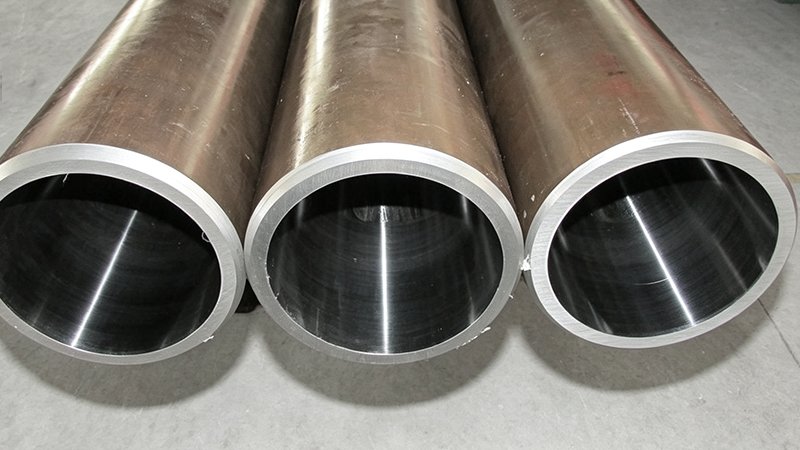
A honed bore’s cylindrical surface is carefully finished to a controlled roughness and roundness, but the transition at each end, where the bore meets the tube’s end face, is a separate feature that honing alone does not automatically address. Without a deliberate chamfer or edge break, this transition can remain a sharp, essentially ninety-degree corner, which presents a cutting edge to any seal, O-ring, or wiper that must pass over it during piston or gland installation.
Seals are typically made from relatively soft elastomer or polymer compounds specifically because they need to deform and conform to create an effective seal, but that same softness makes them vulnerable to being nicked, scratched, or torn by a sharp metal edge during assembly, exactly the kind of damage that destroyed the seals in the example above.

What a Proper Chamfer Looks Like
A correctly prepared tube end carries a small chamfer or radius at the bore entrance, typically specified as an angle and depth appropriate to the bore diameter and the seal design that will pass over it, breaking the sharp corner into a gentler transition that a seal can slide across without catching or cutting. This chamfer needs to be large enough to protect the seal reliably but not so large that it compromises the bore’s effective sealing length or interferes with the piston’s travel.
The exact chamfer dimension is not arbitrary; it should be specified to match the seal manufacturer’s own installation guidance, since different seal designs and materials have different sensitivity to edge sharpness during installation.
Where Edge Preparation Can Be Missed
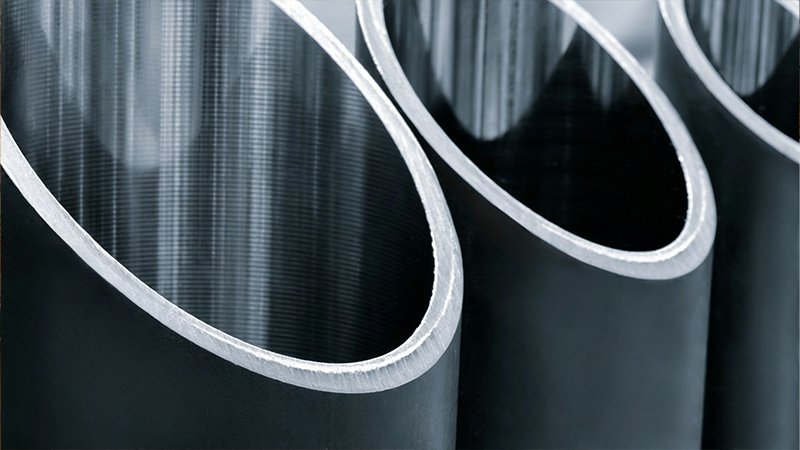
Edge chamfering is sometimes treated as a minor finishing step and can be inconsistently applied, particularly when a tube is cut to length by a distributor after the mill’s own end preparation, since cutting a mill length down to a customer’s specific size creates a new cut end that carries none of the original mill’s edge treatment unless the cutting operation specifically includes a chamfering step afterward. This is a common gap: a mill-finished tube end may be properly chamfered, while a distributor’s own cut end, created later in the supply chain, is not, unless the distributor’s own process explicitly addresses it.
Checking Edge Condition Before Assembly
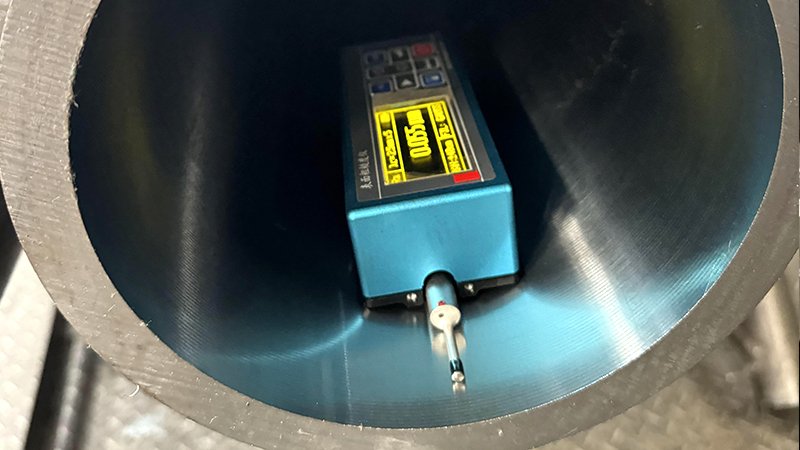
A simple visual and tactile check, running a finger carefully along the bore entrance to feel for a sharp corner versus a smooth transition, catches an unprepared edge before it reaches the point of damaging an expensive seal during installation. For high-volume assembly operations, this check should be a standard step in incoming inspection or pre-assembly preparation, not an afterthought performed only after seals start failing during installation.

Specifying Edge Preparation on Cut-to-Length Orders
The practical lesson for anyone ordering honed tube cut to length, whether from a mill or a distributor, is to specify the chamfer or edge break explicitly on every cut end, rather than assuming it will automatically be included. This is particularly important when ordering custom cut lengths, since the cutting operation itself creates new ends that need this treatment applied as a deliberate, separate step.
At EAST AI, cut-to-length honed tube includes a specified chamfer at both bore ends as standard practice, sized appropriately for common seal installation requirements, and we can match this to a customer’s specific seal manufacturer’s guidance on request.
Related Reading
- Honed Tube Cut-Length Tolerance: Specifying Length When One Batch Serves Many Customers
- Honed Tube Batch Traceability: Heat Number Systems and Why They Matter for Claims
- Honed Bore Surface Defects: Scratches, Pits, and Chatter Marks Explained

A Sharp Corner Does Not Announce Itself Until a Seal Fails
A cut tube end without a proper chamfer looks fine until the first seal nicks on it during installation. Specify edge break explicitly on every cut-to-length order, and check it with a simple tactile inspection before assembly begins.
What We Offer
- Honed tube cut to length with a specified chamfer at both bore ends as standard practice
- Edge preparation matched to specific seal manufacturer installation guidance on request
- Pre-assembly inspection guidance for catching unprepared edges before seal damage occurs
- Full material traceability from mill heat through finished cut-end preparation
Contact EAST AI (eastai-tech.com) Email: marketdi@east-ai.cn Phone: +86 13382202696 Address: No. 108, Lunan Road, Wuxi, Jiangsu, China.
Written by Alex, Production Engineer at EAST AI