
A chrome plated rod on a piece of offshore deck equipment failed by corrosion in under a year, its surface freckled with rust pits that had eaten down through the chrome to the steel. The rod met a standard hard chrome specification. The problem was that standard single-layer hard chrome was never going to survive that environment, and a duplex nickel-chrome system would have. Knowing when the extra layer is worth its cost—and when it is not—is one of the more valuable pieces of coating knowledge a hydraulic engineer can carry.
This article is for engineers specifying chrome plated rod for corrosive or demanding service, and it explains the mechanism behind duplex nickel-plus-chrome coatings, why they outperform single hard chrome in corrosion, and where the cost is and is not justified.
Why Single Hard Chrome Corrodes
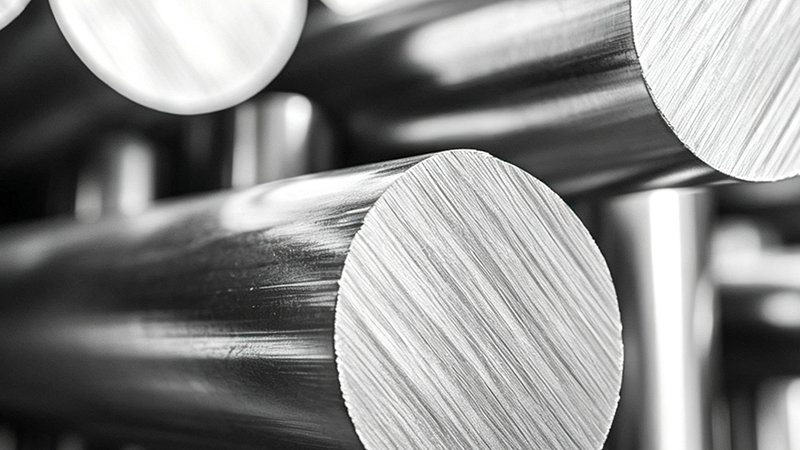
Hard chrome is hard and wear-resistant, but as a corrosion barrier it has an inherent flaw: the electrodeposited layer contains a network of micro-cracks. In wear terms these are harmless. In corrosion terms they are pathways. When a rod is exposed to moisture, salt, or aggressive chemicals, the electrolyte can penetrate the crack network and reach the base steel beneath. Once it does, a galvanic couple forms—chrome is cathodic to steel—and the steel corrodes preferentially at the base of the crack. The result is pitting that undermines the chrome from below, exactly the failure seen on that offshore rod.
Increasing chrome thickness helps, because a thicker deposit makes a continuous crack path less likely, but it does not eliminate the mechanism. In a genuinely corrosive environment, thicker single-layer chrome buys time, not immunity.
What the Nickel Underlayer Does
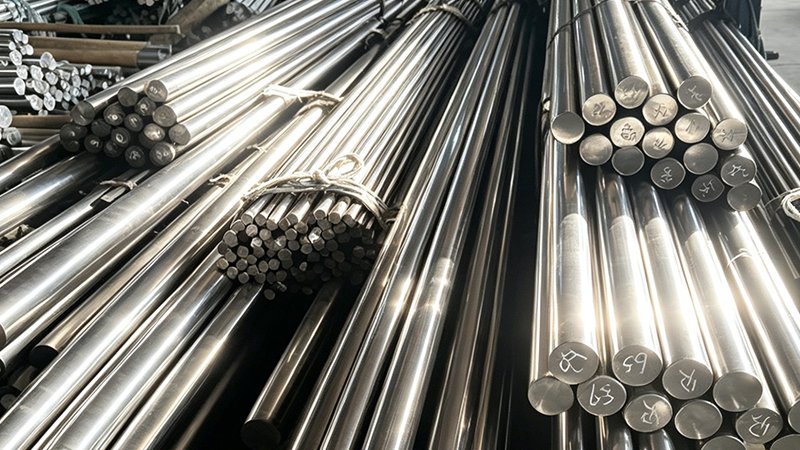
A duplex coating places a layer of nickel between the steel and the chrome. This changes the corrosion behavior fundamentally. The nickel is a dense, largely crack-free barrier that blocks the electrolyte from reaching the steel through the chrome’s micro-cracks. Even where moisture penetrates the chrome, it meets the nickel rather than the base steel, and the nickel resists corrosion far better than bare steel and does not set up the same aggressive galvanic attack on the substrate.
The international framework for these coatings, ISO 1456, Electrodeposited coatings of nickel, nickel plus chromium, copper plus nickel and of copper plus nickel plus chromium, formalizes the nickel-plus-chromium designations and the guidance on selecting a coating appropriate to the service conditions, while ISO 6158 covers the engineering chromium layer itself, including the duplex chromium designation. The existence of standardized duplex designations reflects how well established this approach is for demanding corrosion service.
Where Duplex Pays Off
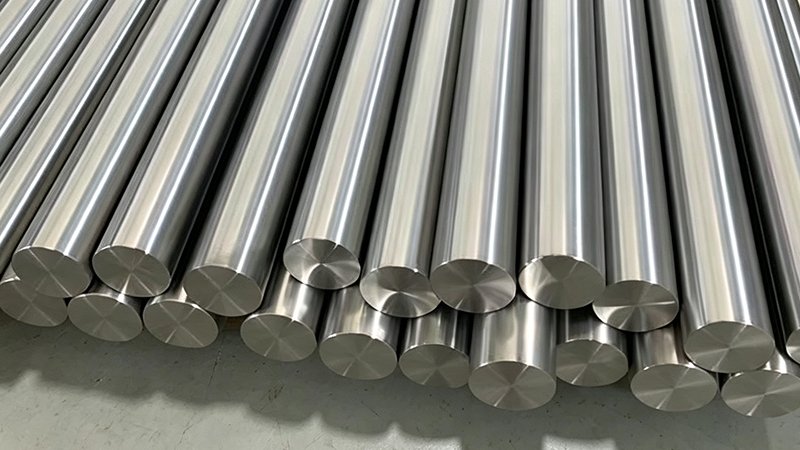
The extra nickel layer adds cost and process time, so it should be specified where the environment genuinely warrants it. The clear cases are marine and offshore service, where salt spray and constant humidity attack any breach in the coating; coastal and port equipment exposed to chloride-laden air; chemical and wastewater environments; and any application where a rod sits idle and partially exposed for long periods in a wet climate, giving corrosion time to work.
Applications like offshore deck equipment and wind turbine pitch and yaw cylinders, which combine corrosive exposure with long service-life expectations and difficult, costly maintenance access, are prime candidates. When replacing a corroded rod means a crane, a vessel, or a turbine shutdown, the premium for a duplex coating is trivial against the downtime it prevents.
Where Single Hard Chrome Is the Right Choice
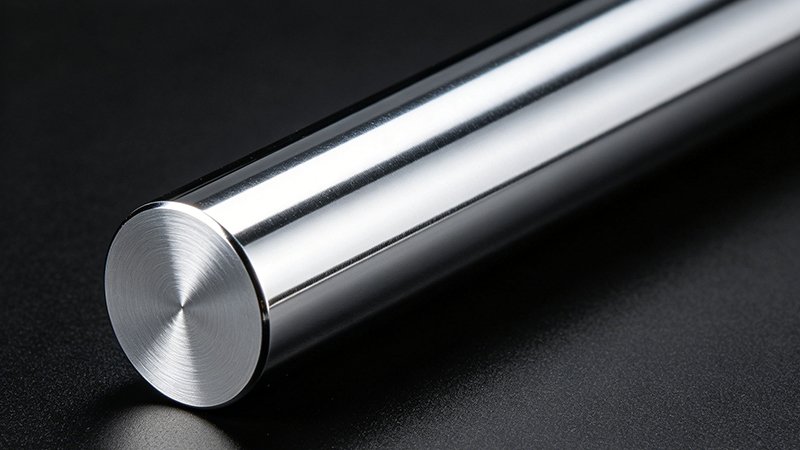
Just as importantly, duplex is overkill for benign service. A rod that lives indoors, in clean, dry conditions, cycling in a controlled environment, gains little from a nickel underlayer. Here, a well-controlled single hard chrome layer of appropriate thickness provides all the wear and corrosion resistance the duty needs, at lower cost and shorter lead time. Specifying duplex for every rod would inflate cost across the board to solve a problem most of them do not have. The engineering skill is in reserving the extra layer for the environments that actually attack the coating.
Duplex Is Not a Substitute for Base and Wear Design
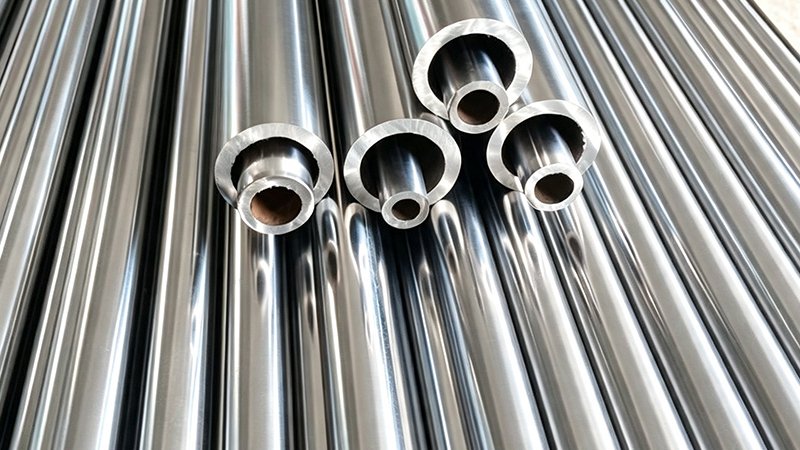
Two cautions. First, duplex improves corrosion resistance, not necessarily wear; the outer chrome still provides the wear surface, so wear-driven applications still depend on chrome hardness and thickness regardless of the underlayer. Second, the base steel and its condition still matter. A nickel underlayer protects against electrolyte reaching the steel, but it does nothing for mechanical duty—bending, buckling, fatigue—which remains the job of the base steel. A corrosion-optimized coating on an under-strength base still fails mechanically. The coating system and the base steel are separate decisions that must both be right.
Specifying a Duplex System Correctly
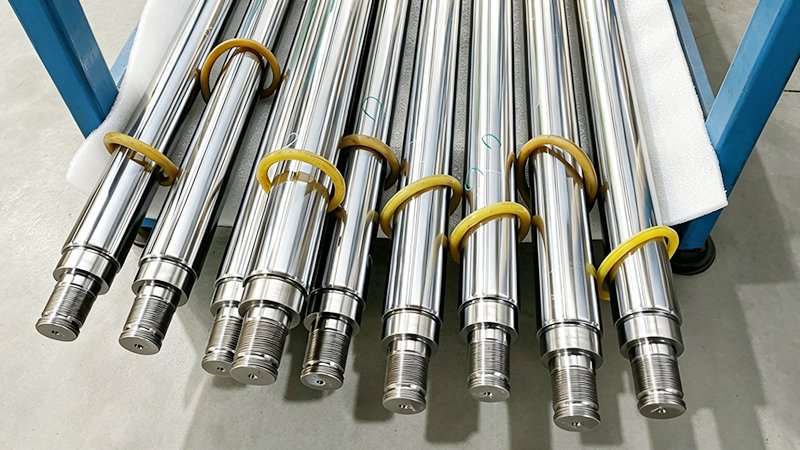
When you do specify duplex, the details matter: the nickel thickness and type, the chrome thickness on top, and the overall coating designation per the relevant standard. Too thin a nickel layer compromises the barrier; the right thickness for the service condition is what delivers the corrosion life. This is a specification to define explicitly on the drawing and the purchase order, using the standardized designations, rather than leaving it to interpretation. A supplier experienced in duplex systems can advise on the nickel and chrome combination appropriate to your specific environment.
Related Reading
- Chrome Plated Rod for Offshore and Marine Deck Equipment
- Chrome Plated Rod for Wind Turbine Pitch and Yaw Cylinders
- Chrome Plated Rod Diameter Tolerance: f7 vs f8 vs g6
Match the Coating System to the Environment
Single hard chrome for benign duty, duplex nickel-chrome for corrosive service—chosen deliberately, not by default. Get the coating system right for the environment and the base steel right for the load, and the rod lasts.
What We Offer
- Chrome plated rod in both single hard chrome and duplex nickel-chrome systems
- Coating specification matched to your environment, from indoor industrial to offshore and marine
- Controlled nickel and chrome thicknesses to standardized designations for demanding corrosion service
- Guidance that keeps coating and base-steel decisions both correct, plus full traceability
Contact EAST AI (eastai-tech.com) Email: marketdi@east-ai.cn Phone: +86 13382202696 Address: No. 108, Lunan Road, Wuxi, Jiangsu, China.
Written by Alex, Production Engineer at EAST AI