
A quality engineer once sent us photos of a competitor’s chrome plated rod that had failed in the field, asking us to explain what went wrong. The chrome had lifted and peeled away from the steel in flakes along part of the rod, exposing the base metal to corrosion and destroying the seal. The rod had looked acceptable on delivery, but the plating had never properly bonded to the steel, and under service stress it let go. It was a textbook adhesion failure, and it is exactly the kind of plating defect that a trained eye can often catch before the rod ever goes into service.
Chrome plating quality is not visible in a single number, and a rod that meets its dimensions and chrome thickness can still have plating defects that cause it to fail. For engineers, quality staff, and senior buyers, being able to recognise the signs of poor chrome plating, adhesion problems, surface defects like nodules and pits, and coverage issues, is a valuable skill that catches bad rod before it costs a cylinder. This article describes the common plating defects and how to spot them.
Adhesion failures: the most serious defect
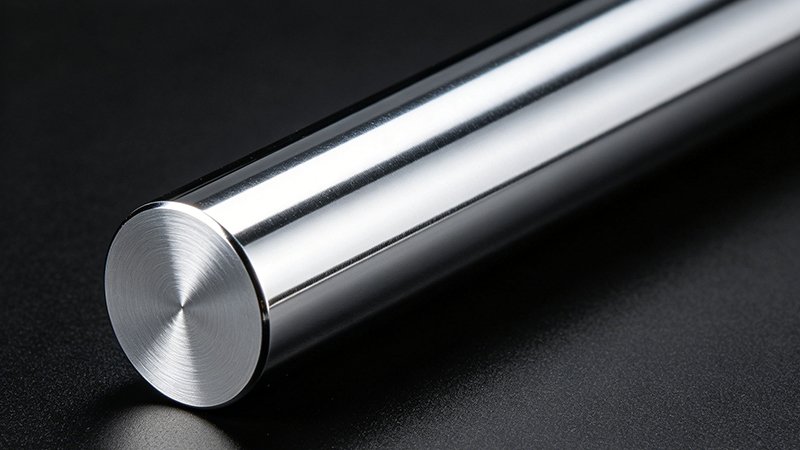
Adhesion is how well the chrome layer is bonded to the base steel, and it is the most critical plating property because a chrome layer that does not adhere is worse than useless, it flakes off and exposes the steel. Good chrome plating is metallurgically bonded to a properly prepared steel surface, so it stays put under the stresses of service. Poor adhesion, from inadequate surface preparation or process faults, leaves the chrome loosely attached, ready to lift, blister, or peel under load, temperature change, or impact.
The signs of an adhesion problem range from obvious to subtle. Blistering, where the chrome bulges away from the steel in bumps, is a clear sign that the layer has not bonded and gas or separation exists beneath it. Peeling or flaking, as in the failed rod, is adhesion failure in progress. More subtle signs include fine cracking patterns that differ from the normal micro-crack network, or areas where the chrome sounds or feels loose. Any indication that the chrome is separating from the steel is a serious defect.
Because adhesion failures often reveal themselves only under service stress, detecting them early can require more than a glance. Simple checks include inspecting closely for blisters or lifted edges, especially at ends and any damaged areas, and being alert to any flaking during handling or machining. In a quality context, adhesion can be tested more formally, but for incoming inspection the key is to look carefully for any sign that the layer is not solidly attached, because an adhesion failure will only get worse in service. A rod with lifting or blistered chrome should be rejected.
Surface defects: nodules, pits, and roughness
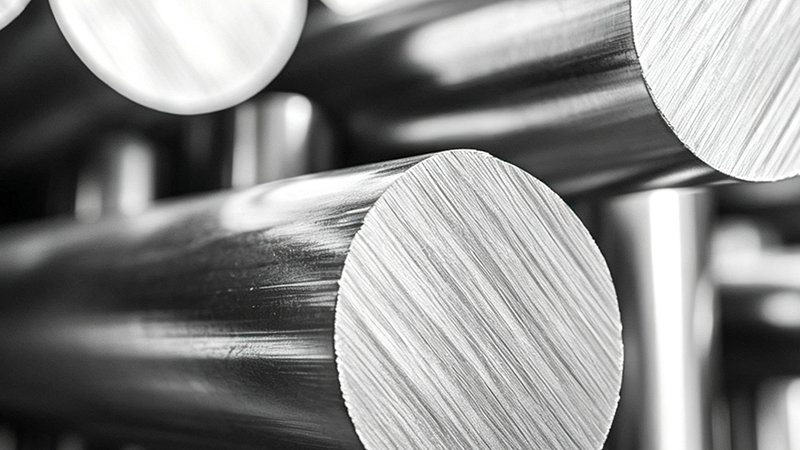
Beyond adhesion, the chrome surface itself can carry defects that indicate poor plating and that affect performance. Nodules are small raised bumps in the chrome, caused by the deposit building up unevenly around particles or process irregularities, and they create high spots that can damage seals and indicate a poorly controlled process. A properly plated and finished rod has a smooth, uniform surface; scattered nodules or a generally rough, uneven surface point to plating or finishing problems.
Pits and pinholes are small holes or depressions in the chrome, and they are important because they can be corrosion entry points and seal-wear points. While the hard chrome layer naturally has a fine micro-crack network, distinct pits and pinholes are defects beyond this normal structure, often from contamination or gas during plating. A surface dotted with visible pits or pinholes has compromised corrosion protection and may wear seals, and it signals a plating process that was not clean or well controlled.
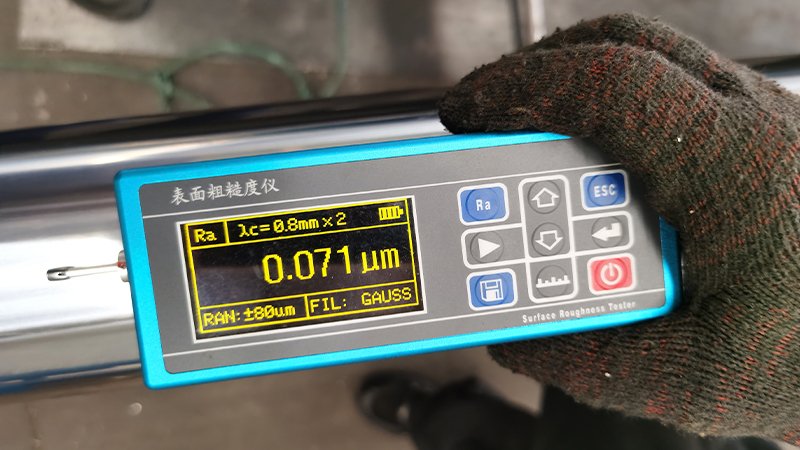
General surface roughness and finish quality also reveal plating and finishing standards. A quality rod is ground and superfinished to a smooth, controlled surface, so a rod that feels rough, shows visible grinding marks, chatter, or an uneven finish has not been properly finished. Since the surface finish directly affects seal life, as discussed for finishing, a poorly finished surface is both a quality indicator and a functional problem. Running a clean fingertip and a careful eye along the rod under good light reveals much about the surface quality.
Coverage and thickness problems
Coverage refers to whether the chrome is applied uniformly over the whole surface, and poor coverage leaves areas under-plated or unplated. Chrome plating can be uneven because the electroplating process deposits more chrome where the electric field is stronger, so without good process control, some areas, particularly ends, edges, or recesses, can receive less chrome than intended. Under-plated areas have thinner corrosion and wear protection and can fail early even if the rest of the rod is well plated.
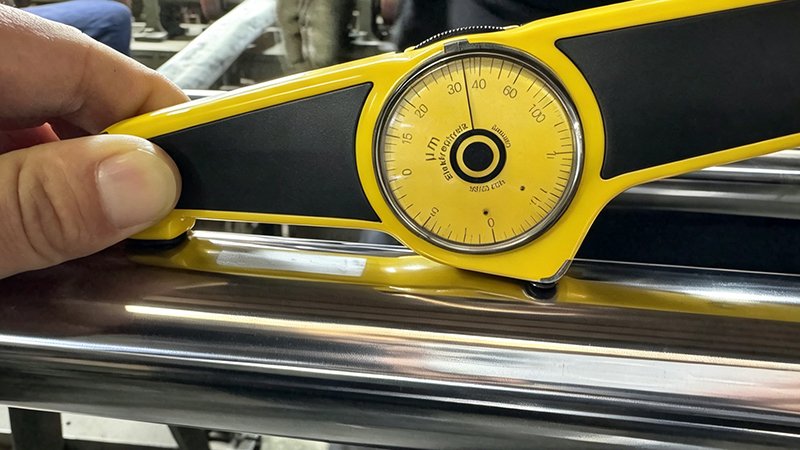
Signs of coverage problems include visible variation in the chrome’s appearance along the rod, dull or differently coloured patches, or areas near the ends that look under-plated. Because thickness relates to coverage, a rod that is at specification thickness in the middle but thin at the ends has a coverage problem that a single central measurement would miss. Checking chrome thickness at several points, including near the ends, reveals coverage variation that affects where the rod will first fail.
Missed or skipped areas are the extreme case, where a spot receives essentially no chrome and the bare or barely covered steel is directly exposed. Such areas are obvious corrosion and failure initiation sites and are a clear rejection reason. Inspecting the whole surface, not just a sample area, for consistency of appearance and checking thickness at multiple points, including the vulnerable ends, catches coverage defects. A well-plated rod shows uniform chrome appearance and consistent thickness over its whole length.
Judging plating quality and specifying well
Bringing the defect types together, a practical incoming inspection for plating quality looks for adhesion problems (blisters, peeling, flaking), surface defects (nodules, pits, pinholes, roughness), and coverage problems (uneven appearance, thin ends, missed areas), using good light, close visual inspection, careful handling, and thickness measurement at several points. This does not require a plating laboratory; much can be caught by a trained eye and simple tools, exactly the skills that would have flagged the failed rod before it shipped.
When a defect is found, the severity guides the decision. Adhesion failures, missed coverage, and significant pitting are serious defects that warrant rejection, because they lead to corrosion and early failure. Minor cosmetic issues on a non-critical rod may be acceptable, but anything affecting adhesion, corrosion protection, or the sealing surface should be treated seriously. Documenting defects and feeding them back to the supplier also drives improvement and protects you in any dispute.
For specifying and sourcing, the best defence against plating defects is buying from a manufacturer with a controlled, well-run plating and finishing process, and confirming quality on receipt. A supplier who prepares the steel properly, controls the plating for uniform coverage and adhesion, and finishes the surface to standard produces rod that passes these inspections consistently. Understanding the defects and inspecting for them lets you hold suppliers to that standard and keep poor plating out of your cylinders, which is what protects the equipment the rod goes into.
Related Reading
- Chrome Plated Rod for Offshore and Marine Deck Equipment: Corrosion Resistance Beyond Standard Chrome Plating: https://eastai-tech.com/chrome-plated-rod-for-offshore-and-marine-deck-equipment-corrosion-resistance-beyond-standard-chrome-plating/
- Chrome Plated Rod Diameter Tolerance: f7 vs f8 vs g6, How to Choose the Right Fit: https://eastai-tech.com/chrome-plated-rod-diameter-tolerance-f7-vs-f8-vs-g6-how-to-choose-the-right-fit/
Plating Quality You Can Trust
The best defence against plating defects is rod made right in the first place. EAST AI has plated hydraulic rod since 2006, and we control surface preparation, plating, and finishing so your rod arrives with sound adhesion, clean surface, and uniform coverage.
What we offer:
- Hard chrome plated rod with properly bonded, adhesion-tested plating
- Clean, nodule-free surface finished to a controlled standard
- Uniform coverage and consistent thickness along the full length
- Documentation and support so you can verify plating quality
Tired of catching plating defects on arrival? Talk to us. Email: marketdi@east-ai.cn | Phone: +86 13382202696 Address: No. 108, Lunan Road, Wuxi, Jiangsu, China.
Written by Alex, Production Engineer at EAST AI