
An engineer transferring from a hydraulics group to a pneumatics project once assumed he could specify cylinder tube exactly as he always had, and was surprised when his supplier asked a different set of questions. Pneumatic cylinders use honed tube too, but the demands on that tube are genuinely different from hydraulics, because compressed air behaves nothing like hydraulic oil. Specifying pneumatic tube as though it were hydraulic tube leads to cylinders that are heavier and costlier than they need to be, or that run poorly because the surface was optimised for the wrong medium. The application drives the specification.
Honed tube is a cylinder bore whether the working fluid is oil or air, but pressure, lubrication, and duty differ so much between hydraulics and pneumatics that the ideal tube differs too. For engineers and buyers who work across both, or who are moving from one to the other, understanding these differences is key to specifying tube that suits the application. This article looks at what pneumatic cylinders demand from honed tube and how it differs from hydraulic practice.
The fundamental difference: air versus oil
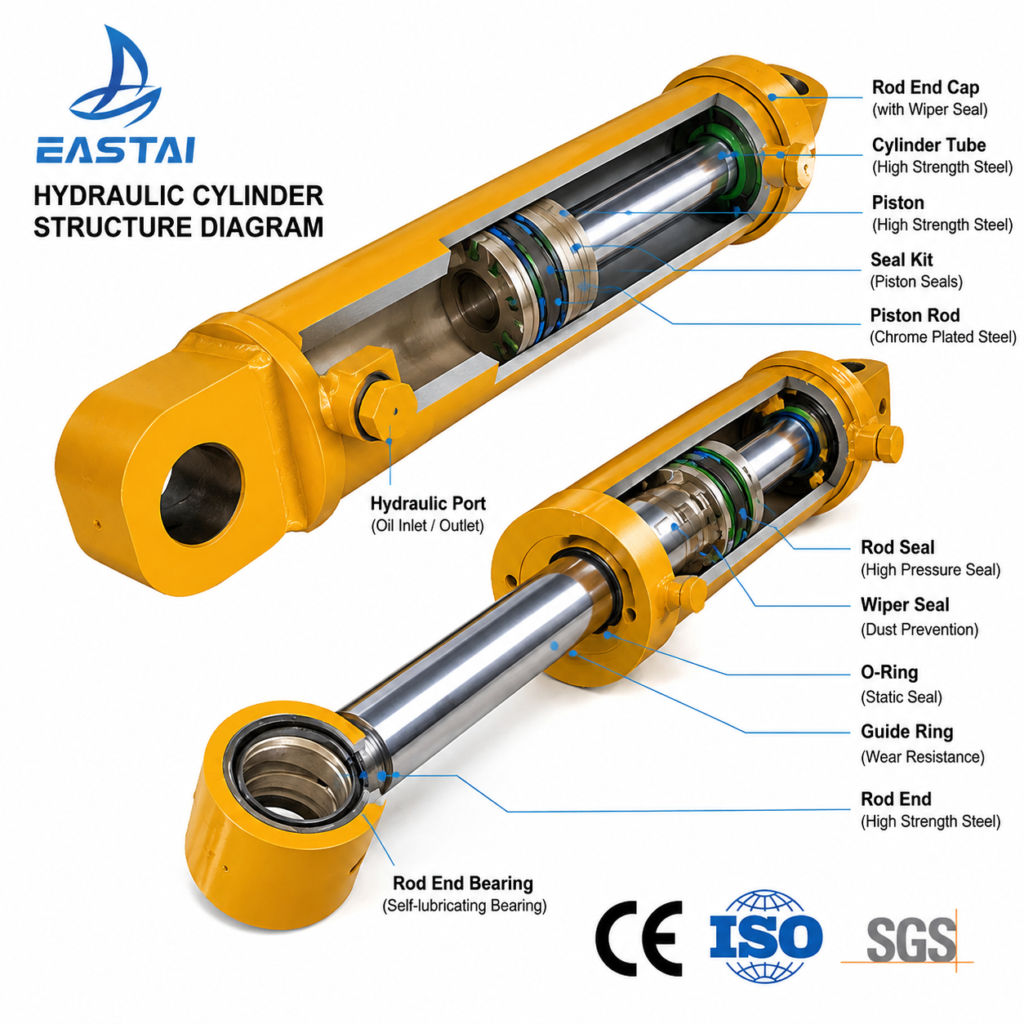
The starting point is that compressed air and hydraulic oil are completely different working media, and this shapes everything about the cylinder. Hydraulic systems run at high pressure, often hundreds of bar, using an incompressible oil that also lubricates. Pneumatic systems run at much lower pressure, typically under ten bar, using compressible air that provides little or no lubrication. These differences in pressure and lubrication drive the differences in what the bore must do.
Because pneumatic pressure is low, the structural demands on a pneumatic cylinder tube are far lighter than on a hydraulic one. The wall does not need to contain high pressure, so wall thickness is driven more by the need for a stable, machinable, mountable tube than by hoop stress. This means pneumatic tube can be lighter and thinner-walled than hydraulic tube of the same bore, and specifying a heavy hydraulic-grade wall for a pneumatic cylinder wastes material and weight.
The lubrication difference is just as important and less obvious. Hydraulic oil continuously lubricates the bore and seal, so the honed surface is designed to retain an oil film. Air carries little lubrication, and many pneumatic systems are designed to run without any added lubricant at all, so the bore and seal must work with minimal or no oil film. This changes what the ideal bore surface looks like, because a surface optimised to retain oil is not necessarily ideal for a dry-running or minimally lubricated seal.
Surface finish for low pressure and little oil
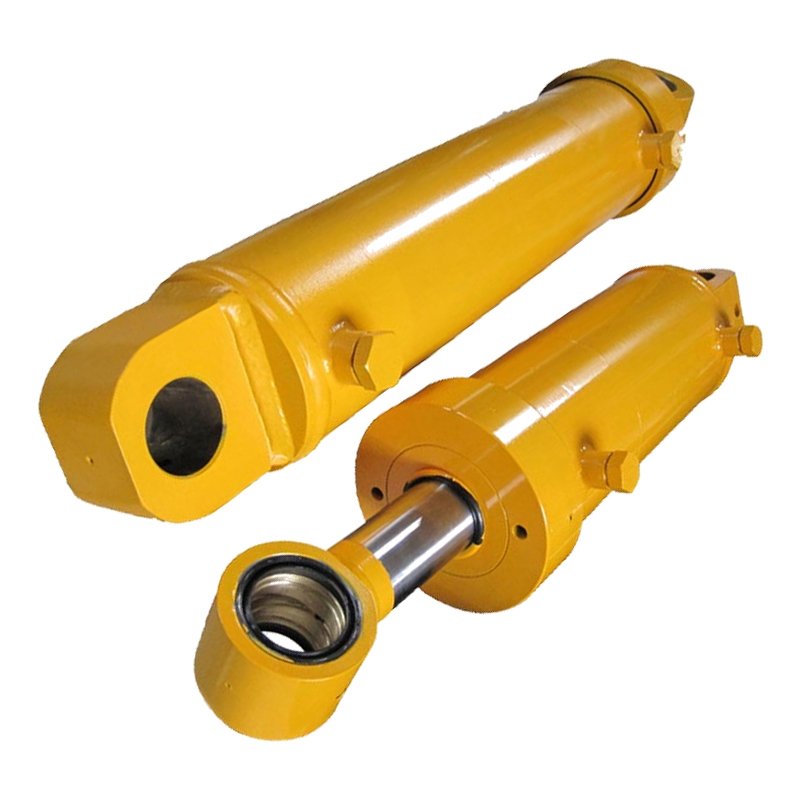
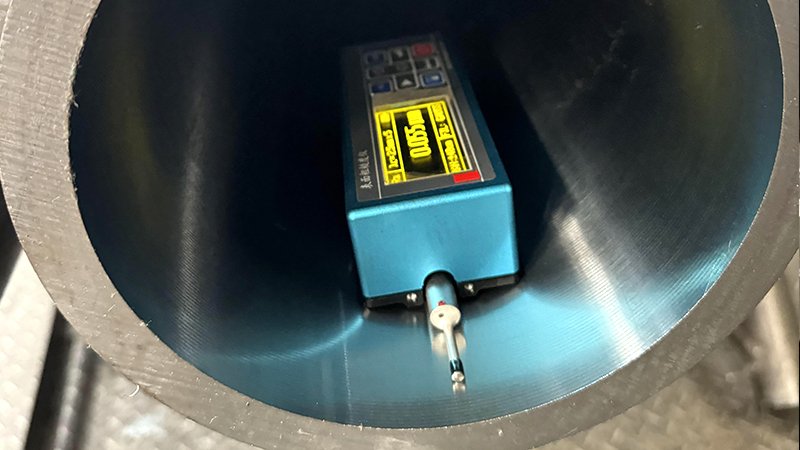
In hydraulics, the honed bore’s cross-hatch finish is tuned to retain a lubricating oil film that separates the seal from the metal under high pressure. In pneumatics, with low pressure and little or no oil, the surface priorities shift toward low friction and smooth running with minimal lubrication. A very smooth bore reduces friction and wear for pneumatic seals, which are often designed to run with only an initial grease charge or fully dry, and which do not have a continuous oil film to rely on.
This does not mean a pneumatic bore should be a featureless mirror, because some surface texture still helps retain what little lubricant is present and helps seals bed in. But the balance is different: pneumatics generally favours a smoother surface than hydraulics, because the friction and wear penalties of a rough surface are more significant when there is no oil film to cushion the contact. Specifying the same aggressive oil-retaining cross-hatch used for high-pressure hydraulics may give a pneumatic cylinder more friction and wear than necessary.
The seals themselves differ too, and the bore should suit them. Pneumatic cylinders often use low-friction seal materials designed for dry or lightly lubricated running, and these seals want a smooth bore to run against. Matching the honed finish to the pneumatic seal type, rather than copying a hydraulic specification, gives smooth, low-friction operation and long seal life. As always, the surface should be specified for the seal and the medium it will run in.
Dry running, materials, and corrosion
Because many pneumatic systems run dry or nearly dry, the bore has to tolerate running with little lubrication without scoring or excessive wear, which places a premium on a good surface finish and appropriate material. A rough or poorly finished bore that might survive in a well-lubricated hydraulic cylinder can wear quickly in a dry-running pneumatic one, because there is no oil film to protect it. This is why surface quality, though the pressure is low, remains important in pneumatics.
Corrosion is a particular consideration in pneumatics because compressed air carries moisture. Air compression and cooling produce condensate, and unless the air is well dried, moisture can reach the cylinder bore, where a bare steel honed surface is vulnerable to rust. Hydraulic oil naturally protects the bore from corrosion, but air does not, so pneumatic cylinders may need bores that are more resistant to corrosion, whether through material choice, surface treatment, or ensuring the air supply is dried.
This can lead pneumatic designs toward different bore materials or treatments than hydraulics. Where a hydraulic cylinder relies on oil to protect a carbon-steel honed bore, a pneumatic cylinder exposed to moist air might use a more corrosion-resistant approach for the bore, or the system must ensure dry air. Recognising that the working medium does not protect the bore the way oil does is key to avoiding corrosion problems in pneumatic cylinders, and it is a difference that a hydraulics-trained engineer might overlook.
Specifying pneumatic tube correctly
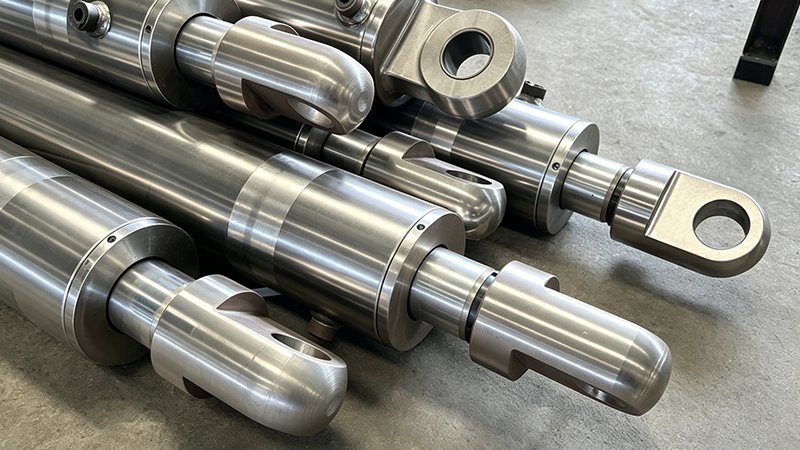
Bringing it together, specifying honed tube for a pneumatic cylinder means starting from the pneumatic application rather than defaulting to hydraulic practice. The wall thickness can be lighter because the pressure is low, so specifying tube sized for the pneumatic pressure and mounting needs, rather than a heavy hydraulic wall, saves weight and cost. The inner diameter tolerance still matters for seal fit, but the whole structural specification can be lighter.
The surface finish should be specified for low friction and the pneumatic seal type, generally favouring a smooth bore suited to dry or lightly lubricated running rather than an aggressive oil-retaining cross-hatch. Discussing the seal type and whether the cylinder runs lubricated or dry with the tube supplier lets them advise on the right finish. And the corrosion question should be addressed explicitly, considering the moisture in the air supply and whether the bore needs additional protection or the air needs drying.
The overall lesson is that pneumatic and hydraulic cylinders share the concept of a honed bore but differ in the details that matter, and specifying tube requires knowing which application it is for. A tube supplier who understands both can guide the specification, delivering lighter, smoother, appropriately protected tube for pneumatics and heavier, oil-retaining, high-pressure tube for hydraulics. Telling the supplier the application, the pressure, the lubrication regime, and the seal type is what gets the right tube for the job, whichever medium it will run.
Related Reading
- Honed Tube for Injection Molding Machine Clamping Cylinders: Precision and Repeatability at High Cycle Rates: https://eastai-tech.com/honed-tube-for-injection-molding-machine-clamping-cylinders-precision-and-repeatability-at-high-cycle-rates/
- Honed Tube for Crane and Lifting Equipment: Long-Stroke Straightness Requirements: https://eastai-tech.com/honed-tube-for-crane-and-lifting-equipment-long-stroke-straightness-requirements/
The Right Tube for Air or Oil
Pneumatic cylinders need honed tube specified for low pressure, low lubrication, and moist air, not hydraulic tube by default. EAST AI has manufactured honed tube since 2006, and we tailor tube to whether it runs on air or oil.
What we offer:
- Honed tube specified for pneumatic pressure, weight, and mounting
- Surface finish tuned for low-friction, dry or lightly lubricated running
- Corrosion-conscious bore options for moist compressed-air service
- Technical support matching tube to your medium, pressure, and seal type
Tell us whether it runs on air or oil, and we will spec the right tube. Email: marketdi@east-ai.cn | Phone: +86 13382202696 Address: No. 108, Lunan Road, Wuxi, Jiangsu, China.
Written by Alex, Production Engineer at EAST AI