
A procurement engineer once asked me a sharp question: if the chrome layer is what protects the rod, why does the finished rod cost more than the plated diameter alone would suggest? The answer is that the chrome as it comes out of the plating tank is not the surface that runs against a seal. Between plating and a finished rod lies grinding and often superfinishing, and those operations are what give the rod its precise diameter, its true straightness, and the smooth surface a seal needs. Understanding what happens after plating explains both the cost and the quality of a good rod.
Many buyers picture chrome plated rod as bar that is simply dipped in chrome and shipped, but the reality is a sequence of precision finishing steps that determine the rod’s final performance. The as-plated surface is rough and slightly oversize, and it must be machined to its final diameter and finish. For engineers and senior buyers, knowing how grinding and superfinishing work, and what can go wrong, helps in specifying rod correctly and in understanding what separates a good rod from a cheap one.
Why chrome must be finished after plating
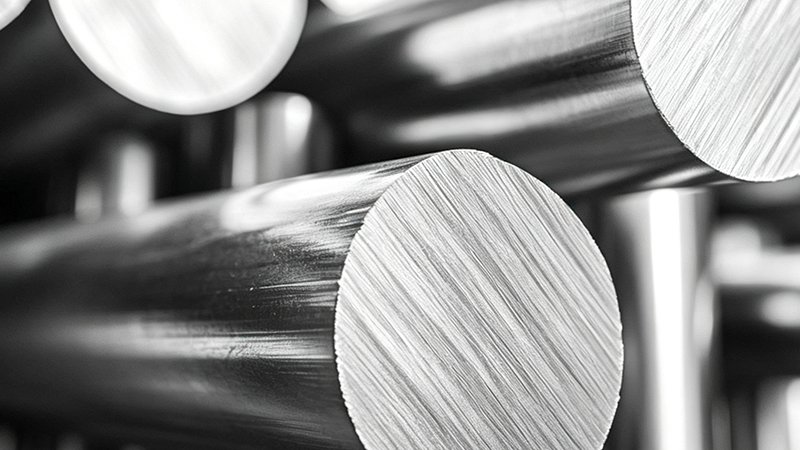
Hard chrome as deposited from the plating process is not smooth or dimensionally precise. The electrodeposited layer follows the surface it grew on and adds its own slight roughness and nodularity, and it is deliberately plated slightly oversize so that there is material to remove in finishing. If a rod were used straight from the tank, its surface would be too rough for a seal and its diameter would be neither precise nor consistent. Finishing is therefore not optional; it is how the rod reaches its working specification.
The finishing operations serve several purposes at once. They bring the rod to its final diameter within the required tolerance grade, such as f7 or f8, they produce the smooth surface finish that a seal and wiper need, and they correct or maintain straightness. In effect, the plating provides a hard, corrosion-resistant, slightly oversize layer, and finishing turns that layer into a precise, smooth, working surface. Both stages are essential, and the quality of the finishing is as important to performance as the quality of the plating.
This is why the finished rod costs more than the raw plated diameter would suggest, answering the procurement engineer’s question. The added cost buys precision diameter, controlled surface finish, and straightness, all produced by careful grinding and superfinishing. A rod that skimps on finishing may be cheaper but will have a rougher surface, looser tolerance, or poorer straightness, all of which shorten seal life and cylinder performance. The finishing is where much of the rod’s real value is created.
Grinding: bringing the rod to size
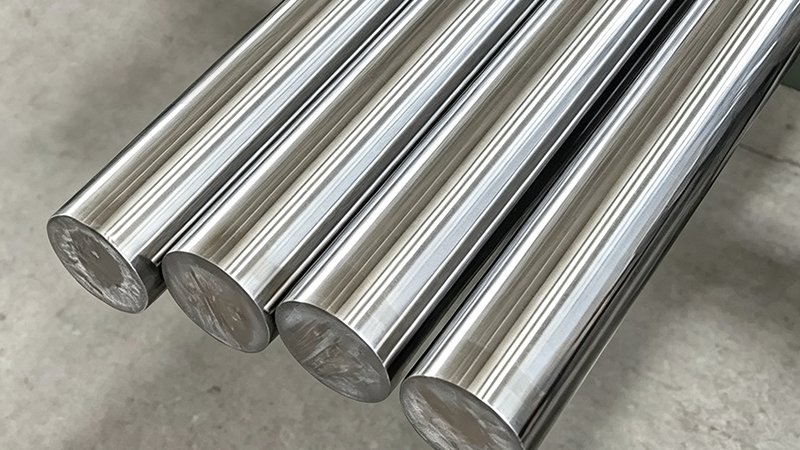
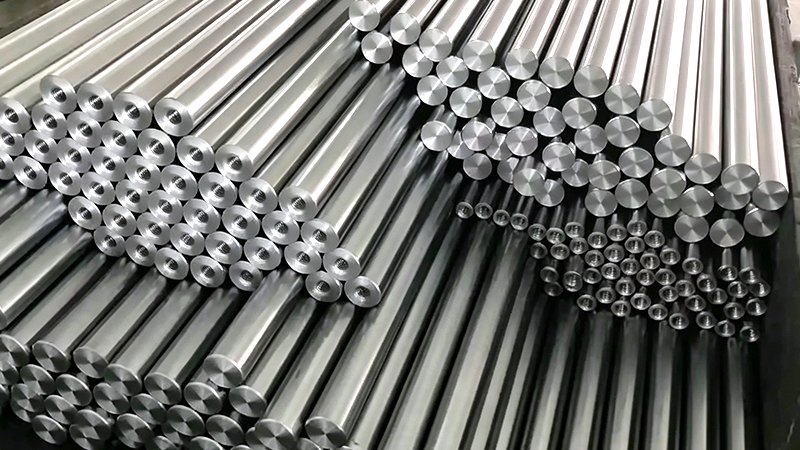
Grinding is the primary finishing operation that brings the plated rod to its final diameter and removes the roughness of the as-plated surface. In centreless grinding, common for hydraulic rod, the rod passes between a grinding wheel and a regulating wheel that control its diameter and feed it through, producing a precise, round, consistent diameter along the length. Grinding removes the oversize plating stock down to the target diameter and generates a much smoother surface than the as-plated one.
Grinding also plays a role in straightness and roundness, because the process can correct minor deviations as it brings the rod to size. A well-set-up grinding operation produces a rod that is round, straight, and on-diameter, whereas poor grinding can leave a rod with taper, out-of-roundness, or chatter marks. The precision of the grinding directly determines whether the rod meets its diameter tolerance and how good its surface is before any final polishing.
The amount of material removed in grinding is why plating is done oversize, and this connects grinding to the plating specification. Enough chrome must be plated to allow grinding to the final diameter while leaving the required chrome thickness on the finished rod, so if a rod is to have, say, 30 micrometers of chrome after finishing, more than that must be plated to allow for grinding stock. Understanding this helps explain why the plated and finished chrome thicknesses differ and why the finishing allowance is part of the process design.
Superfinishing and polishing for the seal
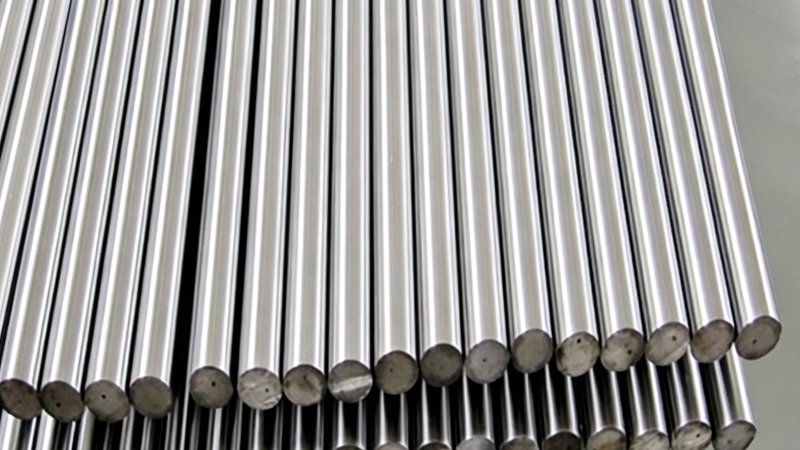
For many hydraulic rods, grinding is followed by superfinishing or polishing to achieve the very smooth surface that seals and wipers need for long life. Superfinishing uses fine abrasives to refine the ground surface further, reducing roughness and removing the fine grinding marks, producing the low Ra and smooth, bearing-friendly surface characteristic of quality hydraulic rod. This is the surface that actually runs against the seal in service.
The goal of superfinishing is not simply the lowest possible roughness but the right surface for sealing. As with honed bores, a rod surface needs to be smooth enough not to abrade the seal yet able to retain a lubricating oil film, so the finishing aims at a controlled surface texture rather than a mirror with no oil retention. A properly superfinished rod gives the seal a smooth plateau to ride on with enough micro-texture to hold oil, which is what produces low friction and long seal life.
Surface finish on the rod matters as much as it does on the bore, because the rod seal and wiper run against it continuously. A rough or poorly finished rod tears seals and lets contamination past the wiper, while an over-polished surface with no oil retention can run dry. The finishing process is where this balance is struck, and it is why the surface specification, not just the diameter, belongs in the rod’s requirements. A good finisher produces a surface engineered for the sealing system.
Grinding defects and specifying finishing
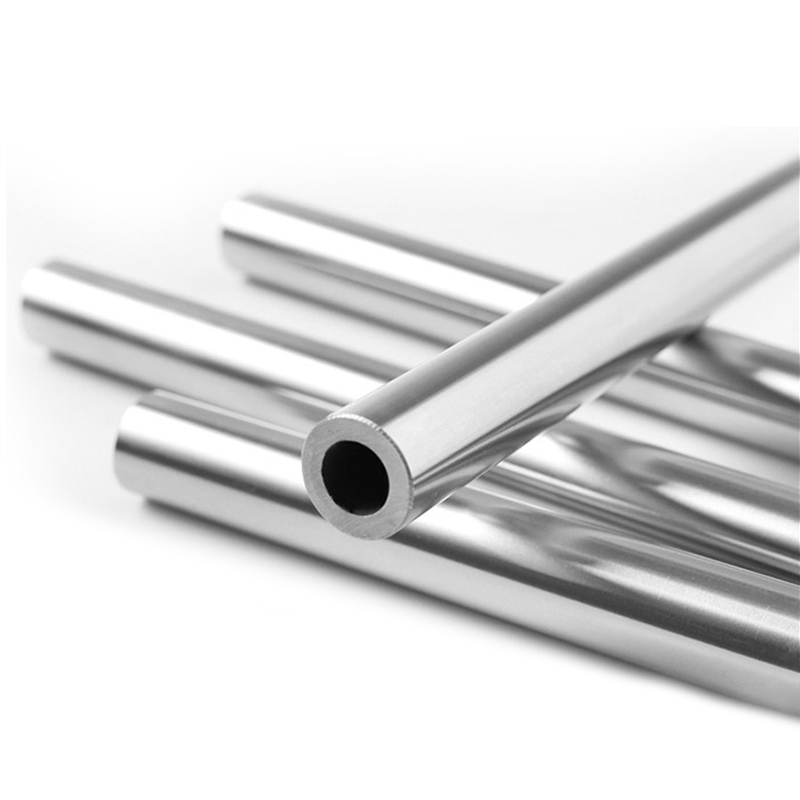
Grinding is a machining process that generates heat and stress, and done poorly it can introduce defects that undermine the rod. Grinding burn, from excessive heat, can damage the surface and even affect the chrome and the steel beneath, and aggressive grinding can induce cracks in the hard, brittle chrome layer. These defects may not be obvious to the eye but can lead to premature corrosion or surface failure in service, which is why controlled grinding is essential and cheap, rushed grinding is a false economy.
Because grinding can damage as well as finish, the process must be controlled: appropriate wheel selection, feed rates, and coolant prevent burn and cracking, and inspection catches any defects. A quality rod manufacturer controls the grinding process to avoid these problems and inspects the finished surface, whereas a low-cost operation may push the process too hard and produce rods with hidden grinding damage. This is another element of the value in a properly finished rod that is invisible on a price comparison.
For buyers, the practical step is to specify the finished rod completely: the final diameter and tolerance grade, the surface finish, the finished chrome thickness, and straightness, and to buy from a manufacturer whose finishing process is controlled. Specifying the surface finish, and confirming the finished chrome thickness after grinding rather than the plated thickness, ensures you get the rod you expect. Understanding that grinding and superfinishing create much of the rod’s performance helps you value proper finishing and specify rod that seals well and lasts.
Related Reading
- Chrome Plated Rod Diameter Tolerance: f7 vs f8 vs g6, How to Choose the Right Fit: https://eastai-tech.com/chrome-plated-rod-diameter-tolerance-f7-vs-f8-vs-g6-how-to-choose-the-right-fit/
- Chrome Plated Rod for Offshore and Marine Deck Equipment: Corrosion Resistance Beyond Standard Chrome Plating: https://eastai-tech.com/chrome-plated-rod-for-offshore-and-marine-deck-equipment-corrosion-resistance-beyond-standard-chrome-plating/
Finishing Is Where Rod Quality Is Made
The surface that seals is created after plating, in grinding and superfinishing. EAST AI has plated and finished hydraulic rod since 2006, and we control every finishing step so your rod arrives on-diameter, smooth, and free of grinding damage.
What we offer:
- Chrome plated rod ground to precise diameter and fit grade
- Superfinished surface engineered for seal life and oil retention
- Controlled grinding to prevent burn and chrome cracking
- Verified finished chrome thickness and surface finish on request
Specify the finished surface you need, and we will grind and finish to it. Email: marketdi@east-ai.cn | Phone: +86 13382202696 Address: No. 108, Lunan Road, Wuxi, Jiangsu, China.
Written by Alex, Production Engineer at EAST AI