
Published: 2026-10-19 | Last Updated: 2026-10-19
A supplier notifying a cylinder builder that they’re changing their honing equipment, adjusting their process parameters, or switching a raw material source puts the customer in a position that gets handled inconsistently across the industry: some OEMs rubber-stamp the notification because the supplier says nothing will change, others demand a full requalification for every minor adjustment, and both extremes carry real risk. The right response depends on classifying the proposed change by how directly it could affect the specific properties the OEM actually depends on, not on the supplier’s own characterization of the change as “minor.”
Why a Supplier’s “No Impact” Characterization Isn’t the Deciding Factor
Suppliers proposing a process change generally believe it won’t affect the finished product — otherwise they likely wouldn’t propose it — but a supplier’s internal validation of a change is calibrated to their own specification sheet, which may not capture every property dimension the OEM’s specific application actually depends on. A supplier can validate that a new honing process still hits the stated diameter tolerance and surface roughness Ra value while never testing for a property like residual stress pattern or fatigue life under the OEM’s specific cyclic loading, simply because that property isn’t on the supplier’s own standard test checklist. This is why an OEM reviewing a change notification should ask what the supplier actually tested, not just accept their conclusion that the change is low-risk.
Classifying Change Types by Risk Level
| Change Type | Typical Risk Level | OEM Response |
|---|---|---|
| New honing machine, same process parameters, same tooling type | Low | Request confirmation of dimensional/surface finish verification; light review |
| Raw material source change, same grade and spec | Moderate | Request mill certs from the new source; consider a small trial batch |
| Process parameter change (feed rate, abrasive grit, cycle time) | Moderate to high | Request before/after comparative test data on surface finish and dimensional consistency |
| Change affecting heat treatment or metallurgical process | High | Full requalification recommended regardless of supplier’s own characterization |
Why Fatigue-Critical Applications Need a Different Standard
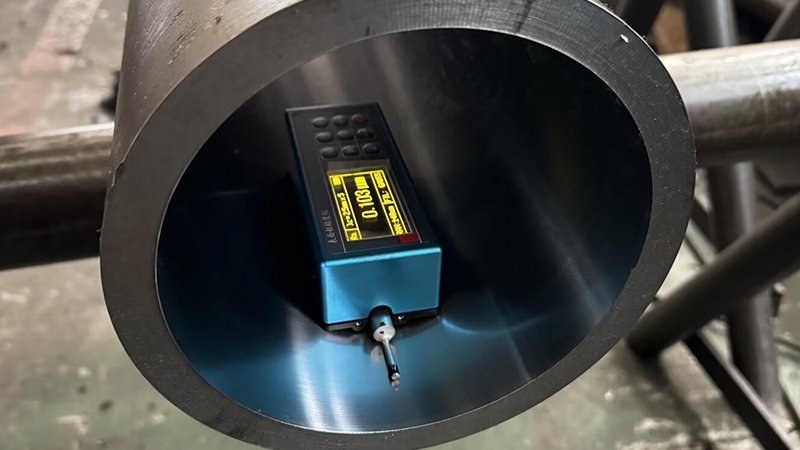
For cylinders operating in fatigue-critical duty — high-cycle applications, safety-relevant equipment, or anything where a bore surface defect could propagate into a failure over the product’s service life — a process change affecting surface finish characteristics deserves scrutiny beyond simple dimensional and Ra value confirmation, because fatigue performance is sensitive to subsurface factors (residual stress, microstructure near the surface) that a standard dimensional check doesn’t capture. An OEM in this category should specifically ask whether the supplier’s validation included any fatigue or life-cycle testing on the changed process, not just dimensional and surface roughness confirmation, since the latter can look identical before and after a change that meaningfully shifts fatigue performance.
What a Reasonable Trial Batch Request Looks Like
For moderate-risk changes, requesting a trial batch run through the OEM’s own receiving inspection and, where practical, a sample assembled into an actual cylinder for functional testing gives real verification beyond trusting the supplier’s internal validation data alone. This doesn’t need to be the full-scale qualification protocol used for an entirely new supplier — a smaller, targeted trial focused specifically on the properties the proposed change could plausibly affect is proportionate and faster while still providing independent verification.
Building a Standing Agreement for Change Notifications
OEMs with an ongoing supply relationship benefit from establishing, in advance, what categories of change require advance notification and what level of OEM review each category triggers — rather than negotiating the appropriate response from scratch every time a notification arrives. A pre-agreed framework, similar to the tiered approach used for component specification changes generally, makes the supplier relationship more predictable for both sides: the supplier knows what evidence to prepare before notifying, and the OEM has a consistent standard to apply rather than an ad hoc judgment call made under time pressure each time.
What Happens When Process Changes Go Unreported
The scenario worth actively guarding against is a supplier implementing a process change without notifying the customer at all, on the assumption that it’s minor enough not to warrant disclosure. Building an explicit notification requirement into the supply agreement — rather than assuming a supplier will proactively disclose every change they consider immaterial — closes this gap, and a supplier’s willingness to accept this kind of notification clause is itself a reasonable signal of how seriously they take the customer relationship’s quality requirements.
Documenting the Review for Future Reference
Whatever decision gets made on a given change notification, recording the classification, the evidence reviewed, and the final determination creates a reference an OEM’s quality team can point to if a related question arises later — during a field failure investigation, for example, where establishing what was known and verified at the time a change was approved matters for understanding root cause.
How Multiple Simultaneous Changes Complicate the Review
A single change notification is manageable; a supplier announcing several changes at once — a new machine alongside a raw material source adjustment, for instance — complicates verification because the combined effect of multiple simultaneous changes isn’t necessarily the sum of each change’s individual risk. Requesting that a supplier separate bundled changes into individually evaluable components, with before/after data isolating each variable where possible, gives an OEM a meaningfully clearer basis for approval than reviewing a single combined “new process” without visibility into which specific element changed what. When a supplier can’t practically isolate the changes because they were implemented together as a package, the OEM’s trial batch testing becomes more important as the primary verification method, since paper review alone can’t disentangle which change drove which outcome.
Why a Second Opinion Helps on Borderline Classification Decisions
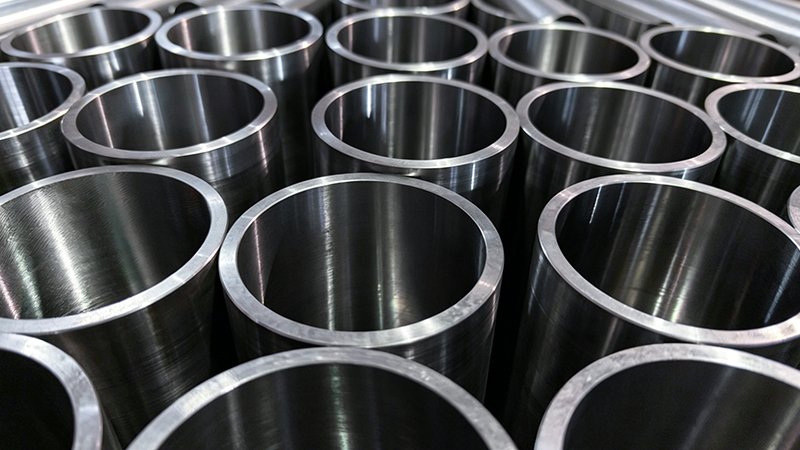
Not every change notification falls cleanly into a single risk tier, and a reviewer uncertain whether a specific change belongs in the moderate or high-risk category benefits from a second technical opinion rather than defaulting to whichever classification feels more convenient in the moment. Building a norm where borderline classification decisions get a second review — from a senior quality engineer or a cross-functional check with design engineering — reduces the risk of systematically under-classifying changes simply because a single reviewer’s default instinct leans toward minimizing review burden.
Why the OEM’s Own Downstream Customer Commitments Should Shape the Review Standard
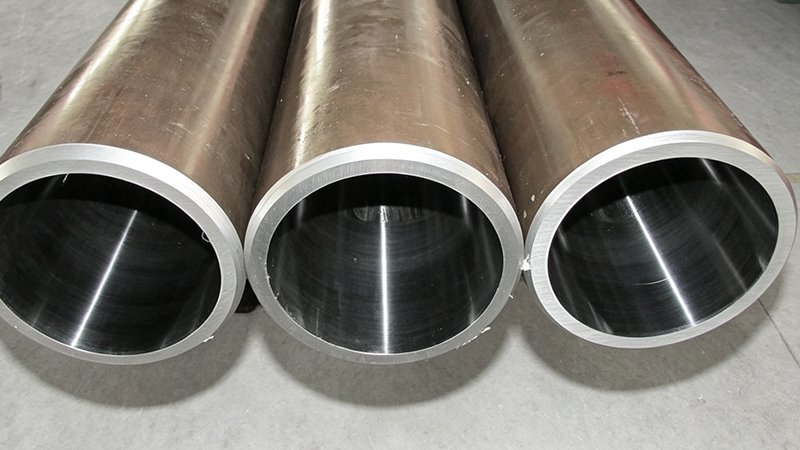
An OEM selling cylinders into a market with its own certification or warranty requirements — construction equipment OEMs supplying to customers with specific uptime guarantees, for example — has an obligation that flows through to how rigorously they should review a supplier’s process change, because the OEM’s own downstream commitments are only as solid as the verification standing behind the components inside their product. An OEM that approves a supplier’s process change with a lighter review than their own customer commitments actually warrant is taking on risk that eventually surfaces as the OEM’s problem, not the supplier’s, regardless of how the original change got approved internally. This is a reason to tie the review rigor standard explicitly to the OEM’s own downstream obligations, rather than applying a generic internal standard disconnected from what the OEM has actually promised its own customers.
Why a Post-Approval Field Check Adds a Final Layer of Confidence
Even after a thorough paper and trial batch review leads to approval, following up with a deliberate check on how the changed-process material performs once it’s actually in field service — rather than assuming the approval process alone guarantees field performance — closes the loop on whether the review process actually predicted real-world outcomes correctly. Tracking field performance of product built with changed-process material against a baseline from the prior process gives an OEM genuine evidence of whether their approval review was sufficient, rather than relying solely on the review’s own internal logic.
What a Supplier’s Response to Scrutiny Reveals About the Relationship
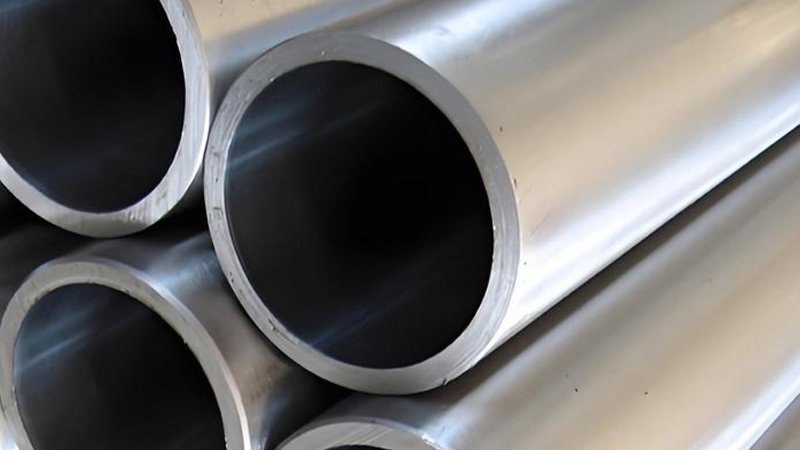
How a supplier responds to a thorough, specific review request — providing requested data promptly and completely versus pushing back on the request itself or providing vague, incomplete responses — is itself diagnostic information about the supplier relationship, independent of whatever the specific change turns out to be. A supplier who treats a reasonable verification request as an inconvenience, rather than a normal part of a mature quality relationship, is signaling something about how they’ll handle future change notifications and future quality questions generally, and this pattern is worth weighing alongside the specific technical merits of any single change decision.
Why Timing the Review Against Production Need Matters
A change notification arriving with ample lead time before affected product ships allows for proper trial batch testing and deliberate review; a notification arriving with the change already implemented and shipments already in transit forces a much more reactive, compressed review under real schedule pressure. An OEM’s supply agreement should specify a minimum notice period before a process change takes effect for product being supplied to that OEM, giving the review process the time it actually needs rather than forcing the choice between a rushed review or accepting the change retroactively after it’s already affecting incoming material.
How to Scale the Review Process as Supplier Relationships Multiply
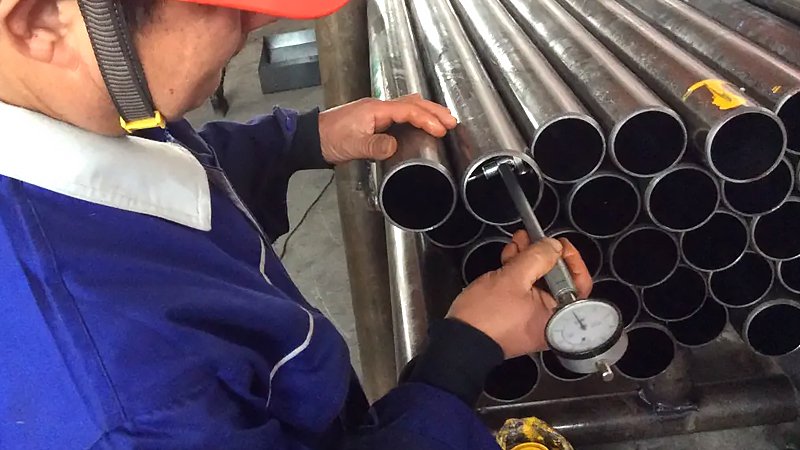
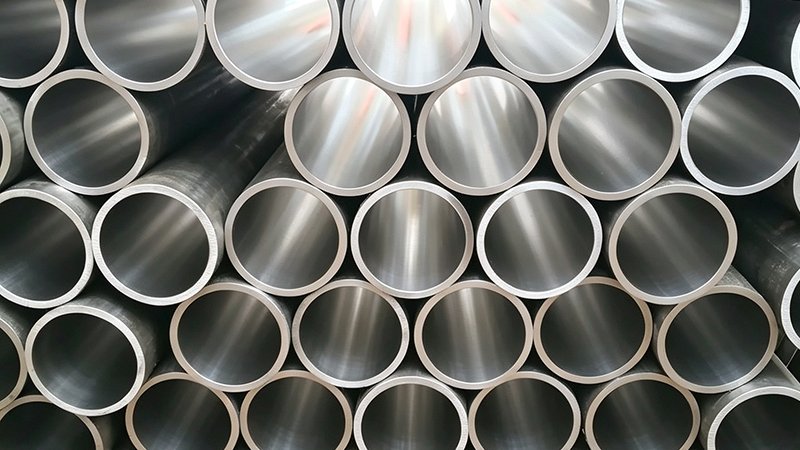
An OEM working with several honed tube and chrome plated rod suppliers across different product lines accumulates change notifications from multiple sources simultaneously, and without a consistent review framework applied across all of them, review quality becomes inconsistent — rigorous for suppliers where someone happens to be paying close attention, lighter for suppliers reviewed by someone with less bandwidth or experience at a given moment. Standardizing the risk classification framework and notification requirements across all suppliers, rather than handling each supplier relationship with ad hoc judgment, keeps review quality consistent as the number of supplier relationships grows — and it makes onboarding a new quality team member easier, since they inherit a defined process rather than having to learn each supplier’s informal handling from institutional memory alone.
Why a Written Framework Beats Relying on Individual Judgment Over Time
Quality teams experience turnover, and institutional knowledge about how a specific supplier’s past changes were handled tends to leave with the people who handled them unless it’s captured in a written framework that survives personnel changes. Documenting the risk classification criteria and notification requirements as a formal, written standard — rather than relying on individual reviewers’ accumulated judgment — protects against this knowledge loss, and it also gives a newer team member a concrete basis for pushing back on a supplier’s informal characterization of a change, rather than needing years of accumulated experience to recognize when a “minor” change notification deserves closer scrutiny.
Related Reading
- Why Does the Same Chrome Plated Rod Specification Perform Differently Across Two Suppliers With Identical Paper Specs?
- Honed Tube Supplier Qualification: What to Actually Audit Before Committing to a New Source
- How Do You Verify a Honed Tube Mill Test Certificate Actually Matches the Tube in Your Hands?
Reviewing a Supplier Process Change Notification
Received a process change notification and unsure how to classify the risk? Contact our team and we’ll walk through what evidence to request before approving.
What We Offer
- Advance notification practices for any material process or raw material source change
- Comparative test data available on request for proposed process adjustments
- Support for trial batch qualification on moderate-risk changes
- Transparent documentation of what properties any validation testing actually covered
Contact EAST AI (eastai-tech.com) Email: marketdi@east-ai.cn Phone: +86 13382202696 Address: No. 108, Lunan Road, Wuxi, Jiangsu, China.
Written by Alex, Production Engineer at EAST AI