
A distributor once faced a customer complaint about a hardness reading on a single length of honed tube pulled from a shelf of over a hundred similar pieces, with no way to say which mill heat that specific length had come from. Without that link, the distributor could not confirm whether the complaint reflected an isolated piece or an entire batch, could not pull the matching certificate, and could not tell the mill which production run to investigate. The tube itself may have been perfectly fine. The real gap was that traceability had been lost somewhere between the mill and the shelf, and once it is lost, every question about that tube becomes a guess.
This article is for stockists and distributors handling honed tube inventory, and it explains how heat number traceability works, why it matters far more when a claim arrives than it does on an ordinary day, and how to maintain it through cutting, storage, and resale.
What a Heat Number Actually Represents
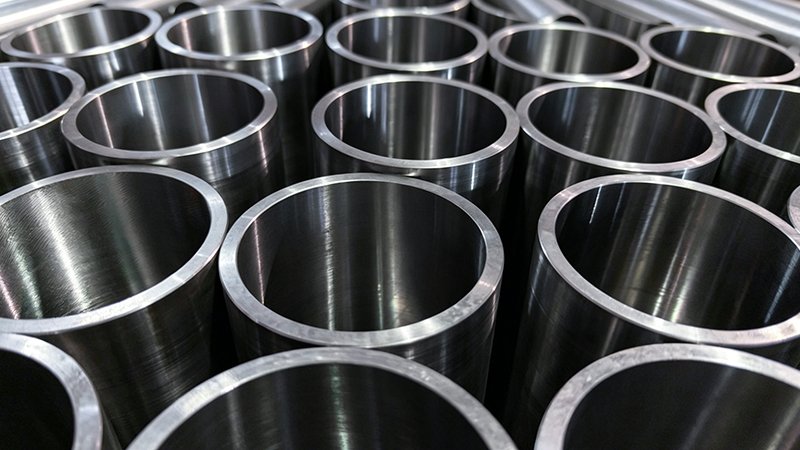
A heat number identifies the specific melt of steel from which a batch of tube was produced, and it links that tube back to the mill’s records for chemical composition, mechanical properties, and processing history for that particular melt. Every mill certificate is issued against a heat number, and a batch of honed tube produced from that heat carries the same traceable identity through drawing, honing, and inspection. The heat number is, in effect, the tube’s birth certificate, and every claim, warranty question, or specification verification eventually traces back to it.
Where Traceability Gets Lost
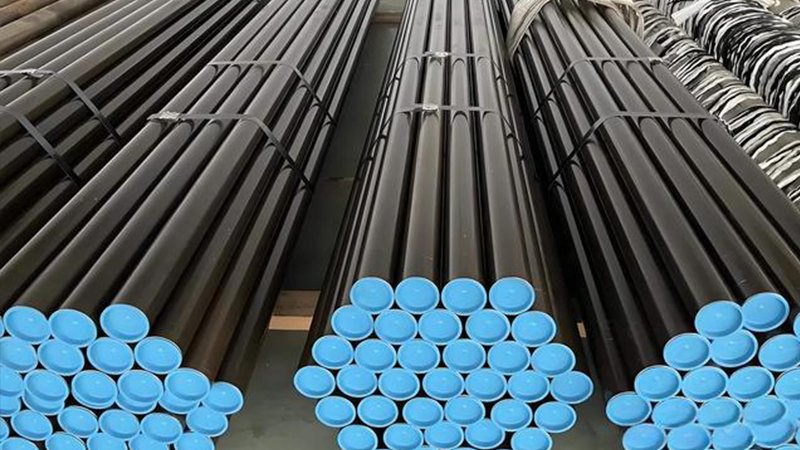
Traceability breaks down at predictable points in a distributor’s handling chain. Cutting a mill length into shorter pieces for multiple customers, without marking each cut piece with its heat number, severs the link the moment the saw finishes. Mixing tube from different heats on the same rack without physical separation or labeling makes it impossible to know, after the fact, which piece came from which delivery. Reselling tube without passing along the certificate or heat reference leaves the end customer with no way to trace a problem back to its source even if the distributor still has the information somewhere in their own records.
Each of these breaks is invisible on an ordinary day, when nothing goes wrong. They become expensive on the day a customer calls with a complaint and the paper trail simply is not there.
Building Traceability Into Everyday Handling
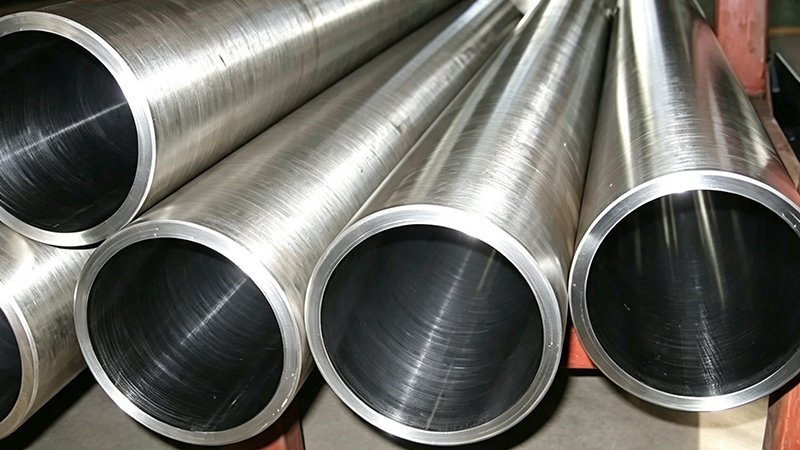
The practical fix is to treat heat number marking as a required step at every point tube changes form or ownership, not an optional courtesy. When a mill length is cut for a customer order, marking or tagging each cut piece with its heat number before it leaves the saw area preserves the link with essentially no added cost. When tube from a new delivery is racked, keeping heats physically separated, or at minimum clearly labeled by section, prevents the kind of mixing that makes a later claim unresolvable. When tube is resold, passing along the heat number and, where possible, a copy of the relevant certificate section gives the end customer the same traceability the distributor received from the mill.
Why This Matters Most During a Claim
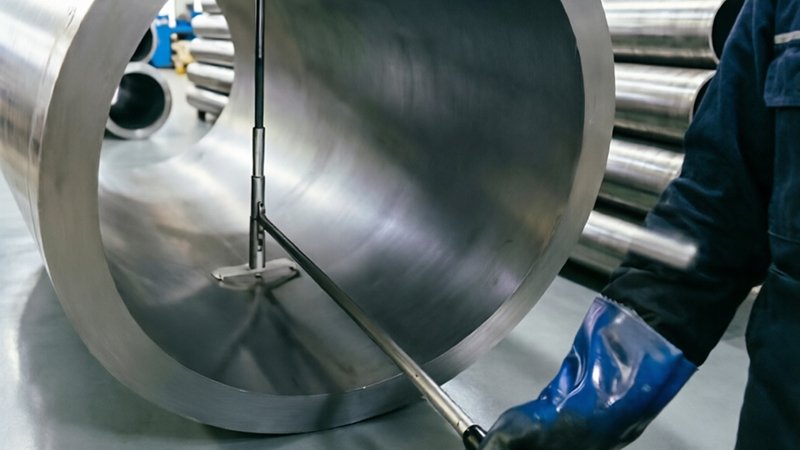
On an ordinary transaction, a missing heat number costs nothing, which is exactly why the discipline is easy to let slip. The cost arrives specifically when a claim, complaint, or specification question arises, and at that point, the value of traceability is not proportional to how often it is needed but to how badly its absence hurts when it is. A distributor who can immediately pull the certificate for the specific heat behind a complaint resolves the question in a day. A distributor who cannot identify the heat is left guessing, often absorbing a cost that traceable stock would have let them push back to the mill, or defend to the customer, with actual evidence.
Traceability as a Selling Point
Beyond claims handling, the ability to trace stock reliably is itself a credibility signal to demanding customers, particularly those supplying regulated or safety-relevant equipment who require full material traceability as a condition of purchase. A distributor who can answer “which heat is this from” instantly, for any piece on the rack, is positioned very differently in a customer’s mind than one who cannot, independent of whether either has ever had a real quality problem.
At EAST AI, every batch of honed tube carries its heat number on the certificate and packaging, and maintaining that link through a distributor’s own cutting and storage process is the detail that keeps a rare claim from becoming an unresolvable one.
Related Reading
- Reading a Honed Tube Test Certificate: What Stockists Should Verify
- Planning Honed Tube Replenishment: Lead Times, Safety Stock, and Container Loads
- Weld-On Ports and Bosses on Honed Tube: Managing Bore Distortion
Mark It Before You Cut It
Traceability costs nothing to maintain and everything to rebuild after the fact. Mark heat numbers at every cut, keep heats separated on the rack, and pass the reference along at resale.
What We Offer
- Honed tube with heat number traceability documented on every certificate and delivery
- Guidance for stockists on maintaining traceability through cutting and storage
- Fast certificate lookup by heat number to resolve claims quickly
- Full material traceability supporting regulated and safety-relevant end uses
Contact EAST AI (eastai-tech.com) Email: marketdi@east-ai.cn Phone: +86 13382202696 Address: No. 108, Lunan Road, Wuxi, Jiangsu, China.
Written by Alex, Production Engineer at EAST AI