
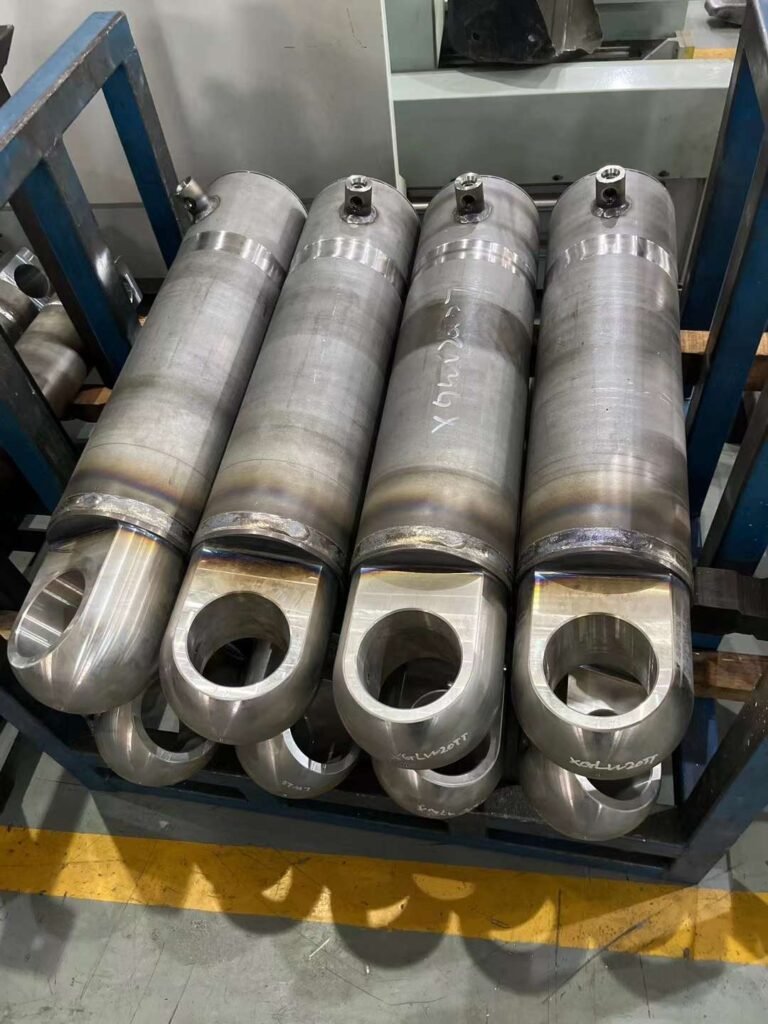
A maintenance team on a fixed hydraulic press spent two weeks replacing valves, one after another, chasing a ram that slowly crept down whenever the machine sat idle between shifts. The drift persisted through three different directional valve replacements. When a technician finally isolated the cylinder from the circuit and pressurized one side while watching the other port, the answer was obvious within a minute: oil was passing straight through the piston seal, port to port, inside the cylinder itself. No valve in the world was going to fix a piston seal that no longer sealed. Cylinder drift is one of the most commonly misdiagnosed faults in hydraulics, because the symptom looks identical whether the cause sits in the valve bank or inside the cylinder.
This article is for hydraulic engineers, maintenance technicians, and cylinder rebuilders, and it lays out a clear, structured way to separate piston seal bypass from valve leakage as the cause of drift, so that repairs target the actual fault instead of working through a parts list by trial and error.
What Drift Actually Tells You
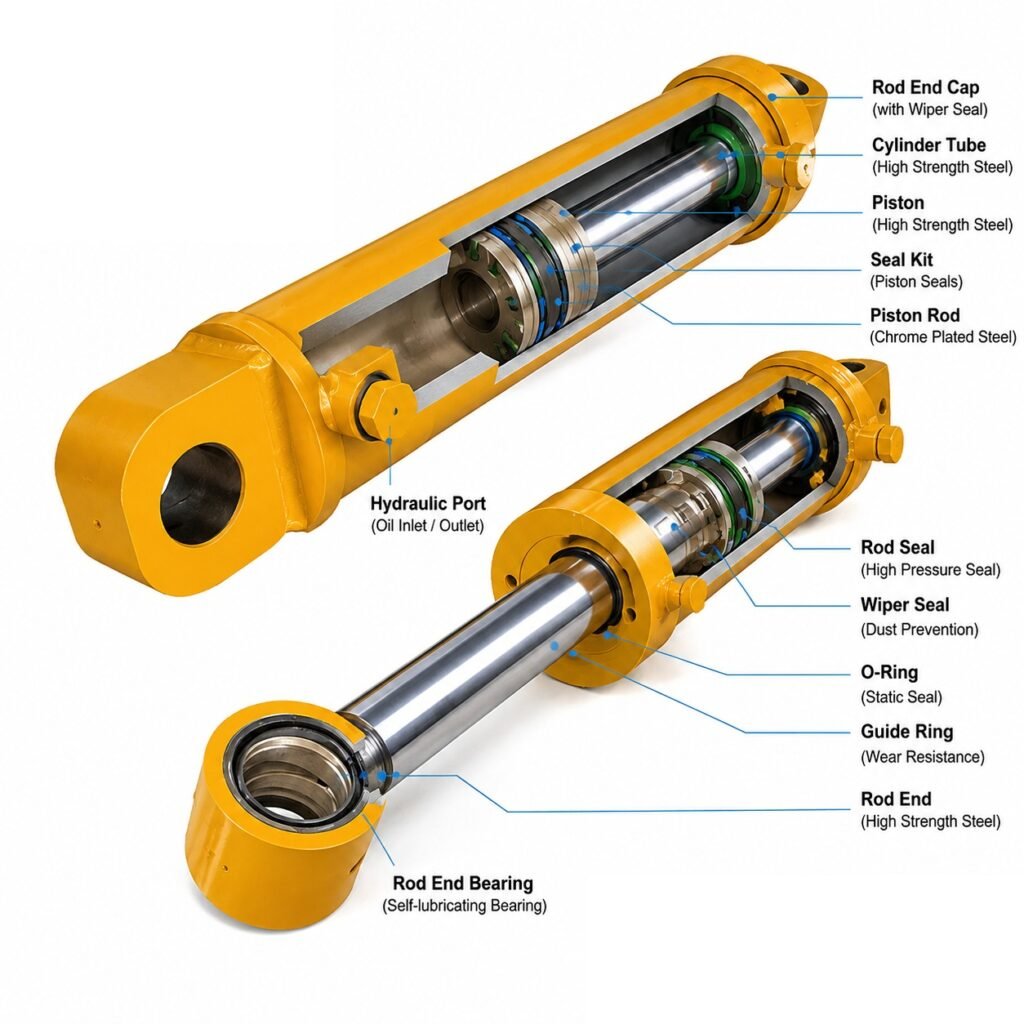
Drift is any unintended movement of a cylinder’s rod when it should be holding position, typically observed as a load slowly settling or a ram slowly creeping. The fault must be a leakage path somewhere that lets oil move from the high-pressure side of the piston to the low-pressure side, or out of the circuit entirely, since a truly sealed system with no leakage path cannot drift under a static load. The diagnostic task is to locate which leakage path is open.
There are, broadly, two candidate locations: internal to the cylinder, past the piston seal from one chamber to the other, and external to the cylinder, through the valves, fittings, or hoses that hold the load. Both produce the same visible symptom, a slowly settling load, which is exactly why teams often replace the wrong component first.
The Isolation Test
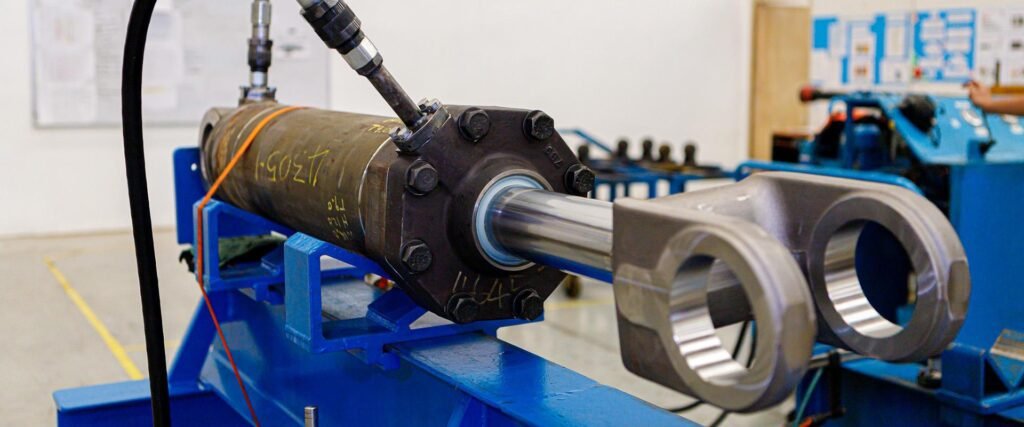
The most reliable way to separate the two is a simple isolation test. With the cylinder at the position where drift occurs, close or block the connections between the cylinder and the rest of the circuit as close to the cylinder ports as practical, for instance by fitting shutoff valves at the ports or using the machine’s own load-holding valves if fitted directly at the cylinder. If drift stops when the cylinder is isolated from the circuit, the leakage path is external, in the valves or connections beyond the isolation point. If drift continues even with the cylinder isolated, the leakage path is internal, through the piston seal.
This single test resolves the ambiguity that trial-and-error valve swapping cannot, because it directly tests whether the cylinder can hold pressure on its own. It takes a fraction of the time that sequentially replacing valves does, and it points the subsequent repair at the correct component the first time.
Signs That Point Toward the Piston Seal
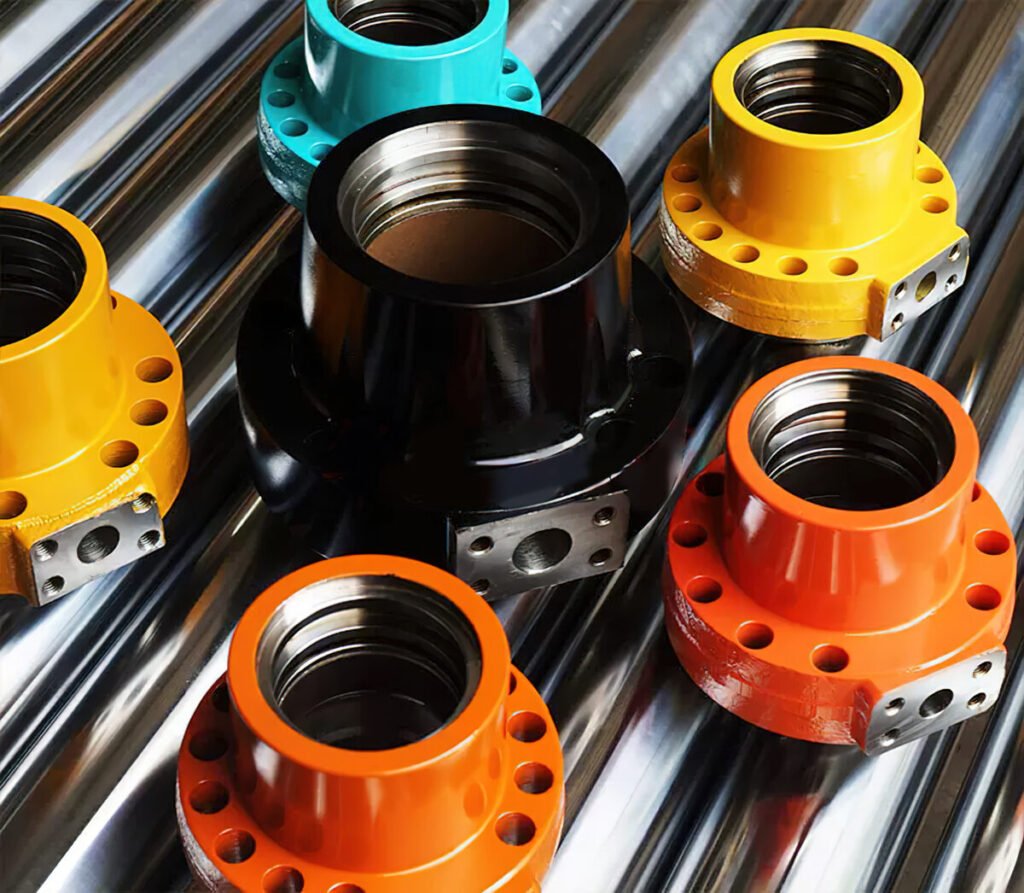
Beyond the isolation test, several observations tend to indicate a piston seal problem. Drift that has worsened gradually over a long period of service, consistent with progressive seal wear, points toward the piston seal rather than a sudden valve fault. A cylinder with a known history of contamination, a failed wiper, or previous seal replacements is a more likely candidate for renewed seal wear. If a cylinder can be pressurized on one side with the other port open to a gauge or sight, and pressure or flow appears at the open port, that is a direct confirmation of piston seal bypass.
Bore condition matters too: a cylinder whose bore has been in service long enough to show wear, scoring, or the ovality discussed in relation to roundness is more likely to be leaking internally, because those bore conditions are exactly what causes a piston seal to stop sealing evenly around its full circumference.
Signs That Point Toward the Valve Circuit
Conversely, drift that appears suddenly, coincides with a recent valve service or a specific valve being disturbed, or affects multiple cylinders sharing the same valve bank simultaneously, points toward the circuit rather than an individual cylinder. Directional valves, especially those without a positive metal-to-metal seat, and counterbalance or load-holding valves that are worn, contaminated, or incorrectly adjusted are common external leakage sources. Checking valve condition, cleanliness, and adjustment before assuming a cylinder fault avoids an unnecessary strip-down when the actual fault is upstream.
Confirming Internal Leakage on the Bench
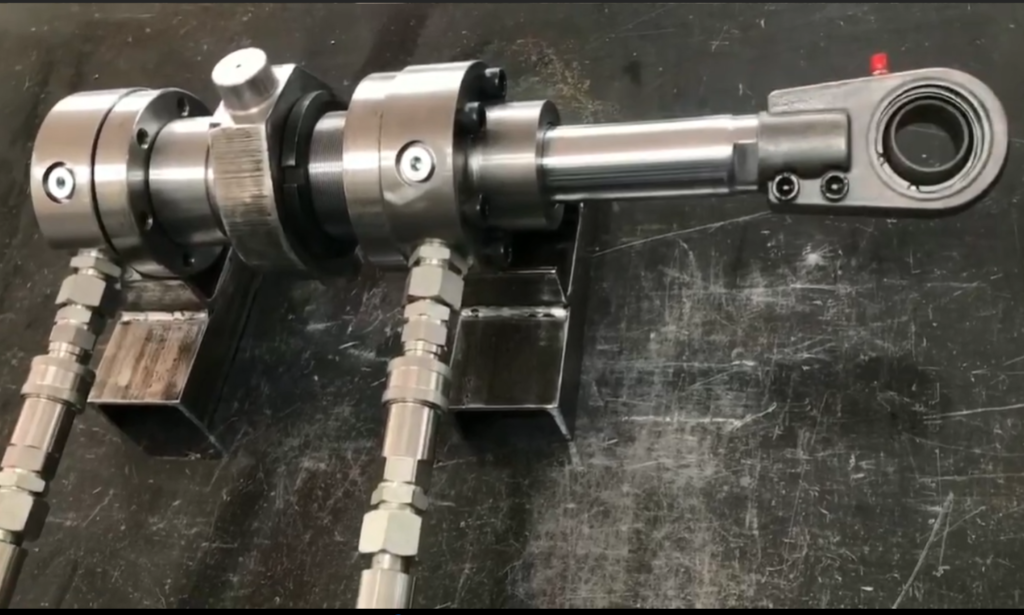
Once a cylinder is removed for suspected internal bypass, a bench test confirms it definitively. With the cylinder held horizontally or in its normal orientation, apply pressure to one port with the other port open and unrestricted, and measure any flow or pressure that appears at the open port over a set time. A cylinder with a sound piston seal will show negligible bypass; a failing seal will show a measurable, often obviously excessive, flow. This test also lets a rebuilder verify that a repair has actually fixed the problem before the cylinder goes back into service, rather than discovering a repeat failure days later.
Preventing Repeat Drift Problems
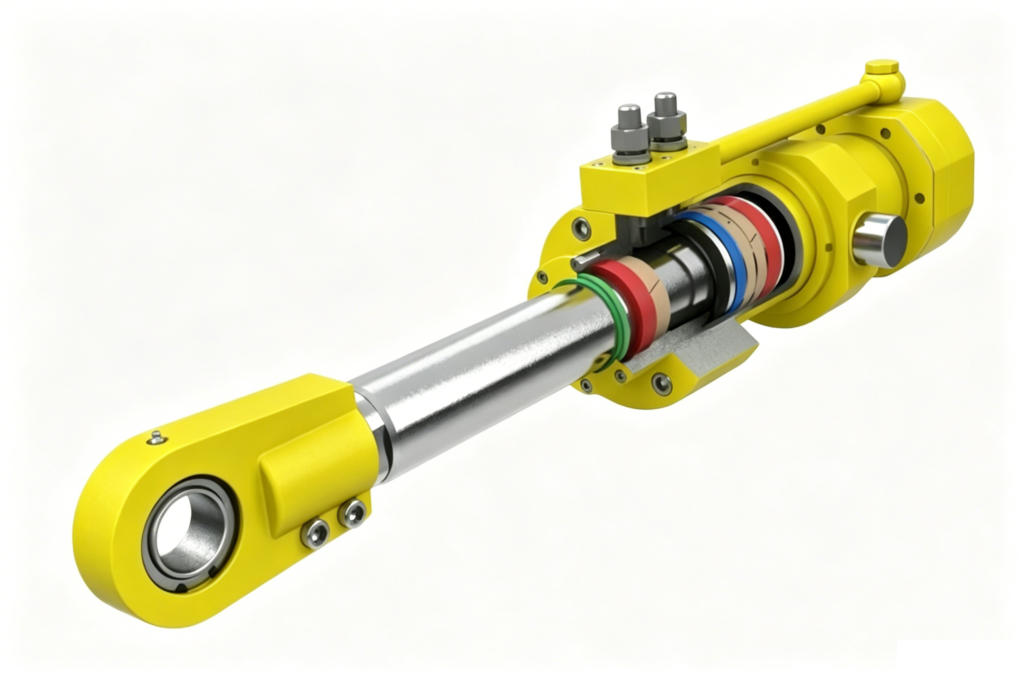
Piston seal bypass is rarely a sudden event; it usually follows contamination ingress, bore wear, or seal degradation from heat or chemical incompatibility, the same root causes discussed throughout cylinder rebuilding. Addressing the underlying cause, a failed wiper, a worn or scored bore, an unsuitable seal material for the fluid, rather than simply fitting a new seal kit into the same conditions that wore out the last one, is what prevents the drift from returning on the same schedule.
Related Reading
- Reseal or Rebuild? A Service Provider’s Guide to Cylinder Repair
- Roundness and Ovality of Honed Tubes: The Overlooked Seal Killer
- Hydraulic Cylinder Seal Selection: PU vs PTFE by Duty Cycle
Isolate Before You Replace
Cylinder drift can come from the piston seal or the valve circuit, and they look identical from the outside. Isolate the cylinder first, and you fix the actual fault on the first attempt.
What We Offer
- Honed tube and chrome plated rod with the bore and surface quality that keeps piston seals sealing
- Technical guidance on diagnosing drift and internal bypass before a rebuild
- Consistent tolerances that support long-term seal performance after repair
- Full material traceability for cylinder rebuild and repair projects
Contact EAST AI (eastai-tech.com) Email: marketdi@east-ai.cn Phone: +86 13382202696 Address: No. 108, Lunan Road, Wuxi, Jiangsu, China.
Written by Alex, Production Engineer at EAST AI