
Written by Alex, Production Engineer at EAST AI
Customers often specify a chrome plated rod tolerance grade because it’s what the last supplier used, without necessarily knowing why f7, f8, or g6 was the right choice for that application in the first place. All three are valid ISO tolerance grades we manufacture to regularly, but they’re not interchangeable — picking the wrong one affects seal fit, friction, and leakage risk in ways that aren’t always obvious from the tolerance number alone.
A chrome plated rod’s diameter tolerance grade defines how much the finished diameter is allowed to deviate from nominal, and that deviation range needs to match what the seal package running against the rod is actually designed to accommodate.
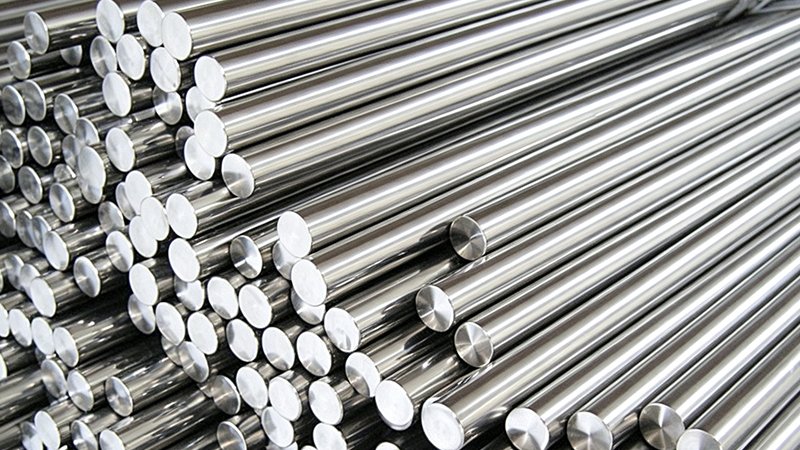
What f7, f8, and g6 Actually Mean
These are ISO tolerance grade designations combining a fundamental deviation letter and a tolerance grade number — the letter indicates where the tolerance band sits relative to nominal size, and the number indicates how wide that band is. In practical terms for rod diameter: g6 gives the tightest, most precise fit with the smallest allowable deviation, f7 is a moderate fit commonly used across a wide range of standard hydraulic cylinder applications, and f8 allows a somewhat wider deviation band, offering more manufacturing flexibility at a slightly looser fit.
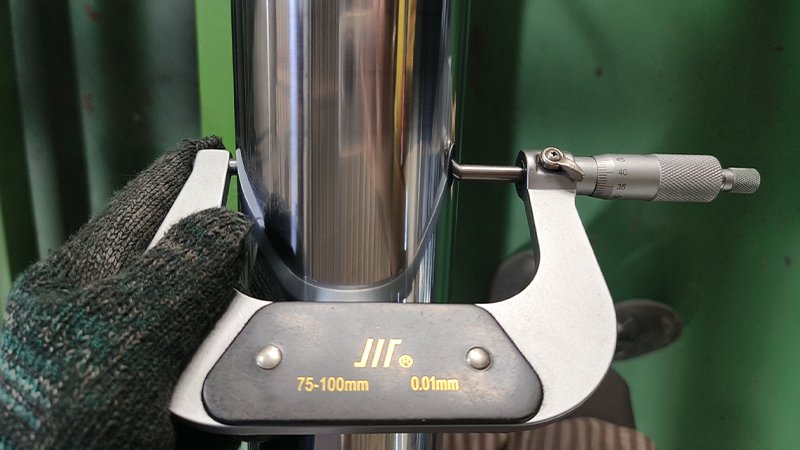
Why Tighter Isn’t Automatically Better
It’s tempting to assume g6, being the tightest of the three, is the “best” choice regardless of application, but tighter tolerance means less margin for thermal expansion, less forgiveness for minor misalignment during assembly, and typically a higher manufacturing cost. Specifying g6 on an application that doesn’t actually need that level of precision adds cost without adding real performance benefit.
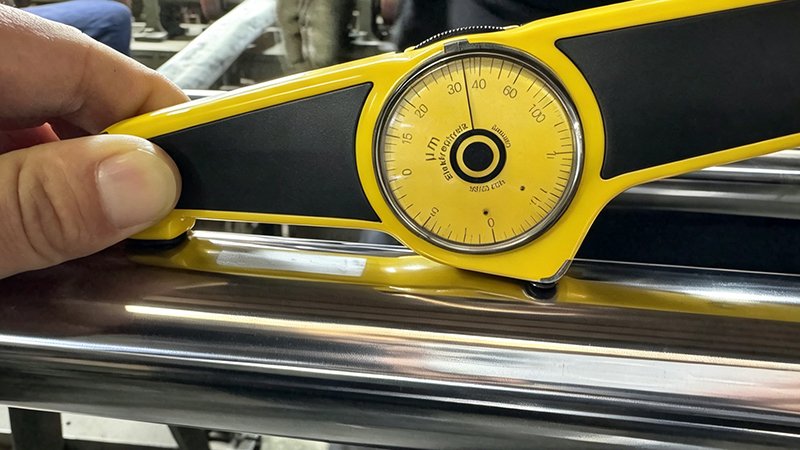
Matching Tolerance to Seal Type
Different seal types and seal materials are designed around a specific expected fit tolerance, and running a seal against a rod tolerance it wasn’t designed for can affect either sealing performance or friction and wear. Polyurethane seals, PTFE-based seals, and different seal profile designs each have their own recommended mating tolerance range, which is why we ask for seal brand or type alongside the tolerance grade request — the two need to be consistent with each other.
Temperature and Application Environment
Rod and bore materials expand and contract with temperature, and a tighter tolerance grade leaves less margin to accommodate this before fit becomes a problem, particularly in applications with significant temperature swings between ambient and operating conditions. For applications with wide temperature variation, we sometimes recommend a slightly looser tolerance grade specifically to preserve adequate running clearance across the full temperature range the equipment will see.
When g6 Is Worth the Extra Cost
Precision positioning applications — where consistent, repeatable fit matters as much as sealing performance, similar to the clamping cylinder precision concerns relevant to injection molding equipment — are where g6’s tighter tolerance earns its added cost. If your application doesn’t have this kind of precision requirement, f7 or f8 more often represents the better balance of cost and performance.
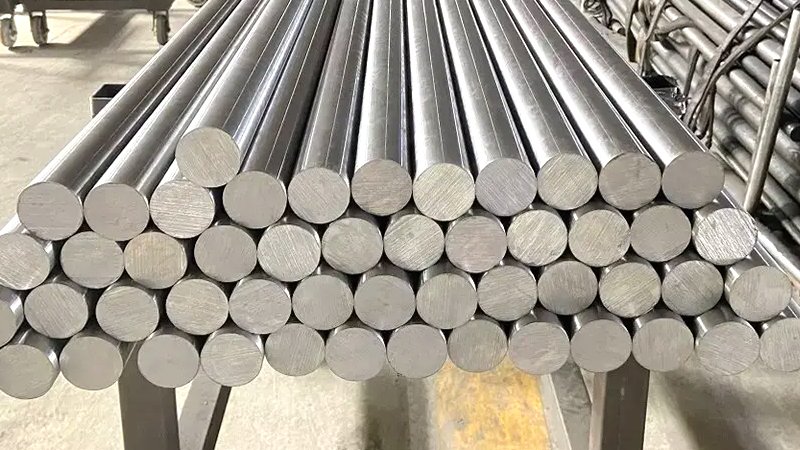
A Field Case Worth Knowing About
One pattern worth mentioning: a customer requested g6 tolerance across an entire product line by default, apparently because an earlier, more demanding application on the line had required it and the spec carried over to every other product without re-evaluation. Several of the other products in that line had no particular precision requirement and were paying a meaningful cost premium for a tolerance grade they didn’t actually need.
Reviewing the actual seal type and application requirement for each product individually, we moved most of the line to f7 without any change in field performance, while keeping g6 specifically for the one product where precision positioning genuinely mattered. Tolerance grade decisions are worth revisiting product by product rather than applying a single grade across an entire range by habit.
How We Manufacture to Each Tolerance Grade
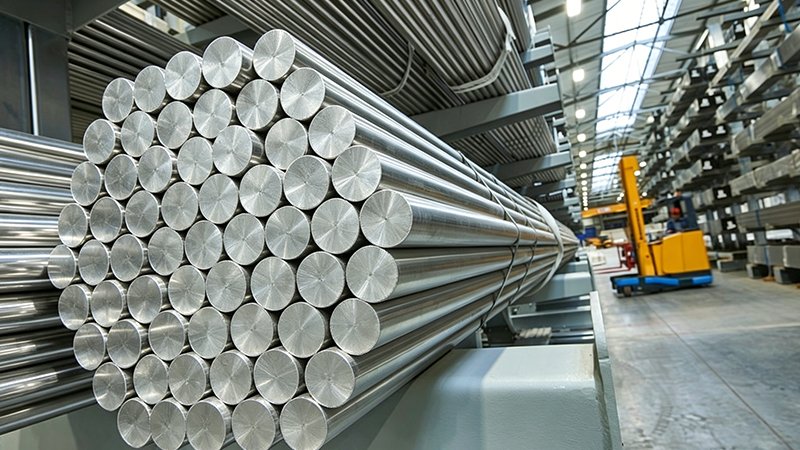
We hold diameter tolerance through finish grinding after chrome plating, with the tolerance grade confirmed against the target seal type and application before production. Every rod is measured at multiple points along its length as part of pre-shipment inspection, since diameter can vary slightly along a longer rod even when it’s within tolerance at any single measured point.
What to Send With Your RFQ
Tell us your seal brand or type if known, the application’s expected operating temperature range, and whether precision positioning is a requirement or the primary need is sealing and wear performance. If you’re not sure which tolerance grade fits, describe the application and we’ll recommend one rather than defaulting to whatever grade was used previously.
Frequently Asked Questions
What’s the practical difference between f7, f8, and g6 tolerance on chrome plated rod? g6 offers the tightest fit with the smallest allowable diameter deviation, f7 is a moderate fit used across a wide range of standard hydraulic applications, and f8 allows a wider deviation band with more manufacturing flexibility at a slightly looser fit.
Is g6 always the best choice since it’s the tightest tolerance? No. Tighter tolerance means less margin for thermal expansion and assembly misalignment, and typically higher cost, so it’s worth choosing specifically for applications with genuine precision positioning requirements rather than as a default upgrade.
Does seal type affect which tolerance grade is appropriate? Yes. Different seal materials and profiles are designed around a specific expected mating tolerance, so tolerance grade and seal type need to be specified consistently with each other rather than chosen independently.
Can wide temperature swings affect which tolerance grade to choose? Yes. Applications with significant temperature variation between ambient and operating conditions sometimes call for a slightly looser tolerance grade to preserve adequate running clearance across the full temperature range.
References & Further Reading
Internal resources:
External references:
- ISO 286-1, ISO Code System for Tolerances on Linear Sizes — Part 1: Basis of Tolerances, Deviations and Fits, the standard defining tolerance grades including f7, f8, and g6 referenced in this article: iso.org
- ISO 9001:2015, Quality Management Systems — Requirements, referenced for our batch-inspection process: iso.org
Tell Us Your Seal Type, Not Just a Tolerance Letter
If you’re specifying chrome plated rod tolerance and you’re not sure whether f7, f8, or g6 is the right call, don’t default to whatever grade was used on a previous, unrelated project. Tell us your seal type and application requirements, and we’ll recommend a tolerance grade matched to what actually needs to fit — including when that means a less expensive option than you expected.