
Written by Alex, Production Engineer at EAST AI
A wind turbine pitch cylinder doesn’t travel far — the stroke involved in adjusting blade pitch is small compared to almost any other hydraulic application we supply. But it moves constantly, making small corrective adjustments continuously as wind conditions change, for twenty years or more with limited access for maintenance once the turbine is installed. That combination — huge cycle count, small stroke, minimal maintenance access — is a different design problem than the shock-and-wear duty we spec for most construction or mining cylinders.
We’ve supplied chrome plated rod into wind energy hydraulic programs enough times to know that fatigue life, not wear resistance, is the dominant design concern here.
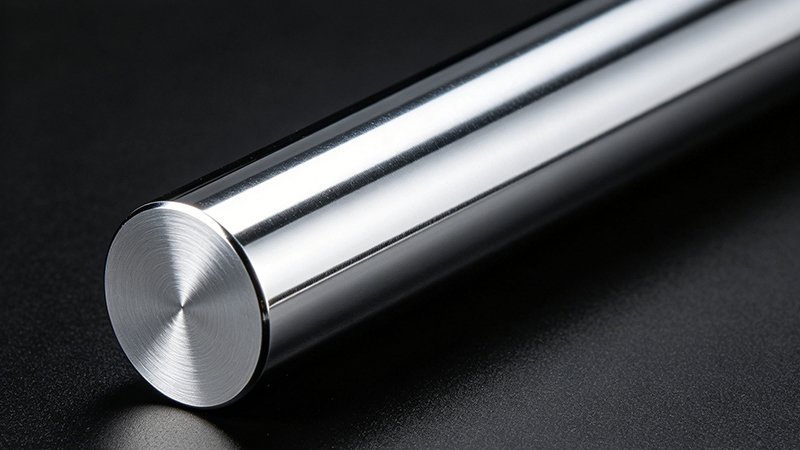
Why Small-Stroke, High-Frequency Cycling Is a Different Problem
Most of our chrome plated rod applications are specified around wear resistance — how well the rod and its chrome surface hold up against contamination, side loading, and full-range stroke cycling over a working life measured in a few years. Wind turbine pitch and yaw cylinders flip the priority: the stroke range is often small enough that wear across the full rod surface isn’t the limiting factor, but the sheer number of small-amplitude cycles over a multi-decade service life makes fatigue resistance in the base rod material the primary concern.
This is why we ask wind energy customers for expected cycle frequency and total design life specifically, rather than just stroke length and bore diameter — the fatigue calculation depends on cycle count far more than it does for most of our other applications.
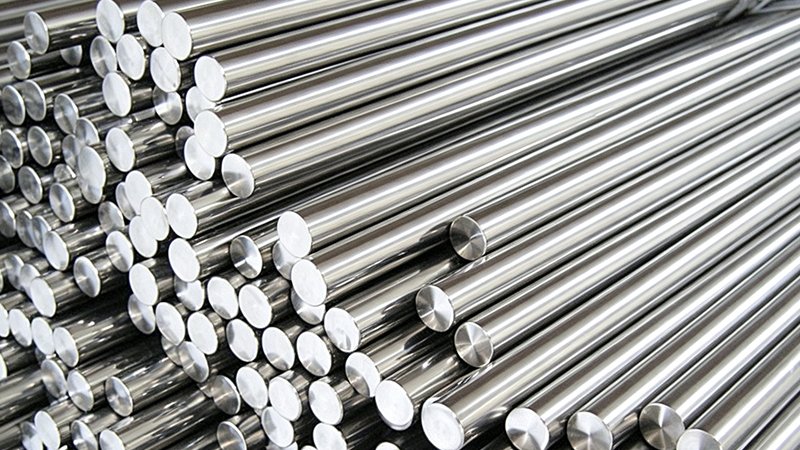
Core Hardness Selection for Fatigue Resistance
Fatigue cracking typically initiates from a stress concentration point and propagates through repeated loading cycles, and a rod’s resistance to this depends heavily on core hardness and toughness, not just surface hardness from the chrome layer. For continuous micro-cycling applications, we generally recommend quenched and tempered rod treatment over induction hardening, because the full-section hardness and improved toughness from tempering handles distributed, repetitive loading more predictably over very high cycle counts than a surface-hardened, harder-core combination does.
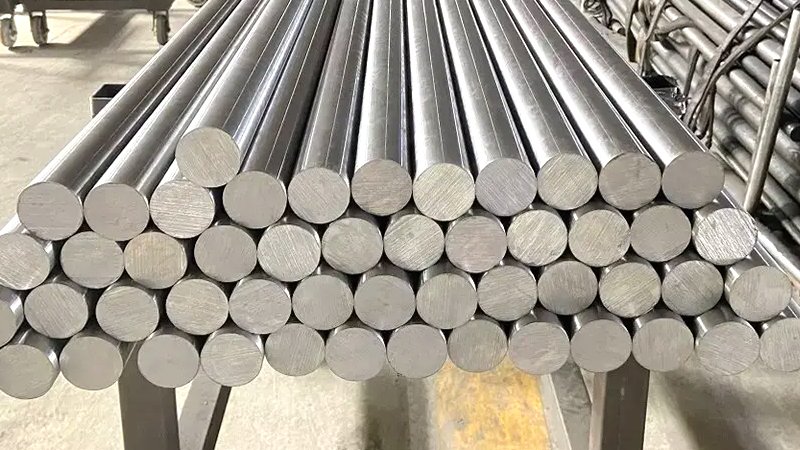
Chrome Layer Integrity Under Repeated Small-Amplitude Motion
A chrome layer that performs well under full-stroke cycling can behave differently under small-amplitude, high-frequency motion, because the same small section of the plated surface experiences repeated loading rather than the wear being distributed across the rod’s full stroke length. We control plating adhesion and layer consistency particularly carefully for this application type, since a small localized plating defect gets exercised far more times over the design life than it would on a rod with longer, more varied stroke travel.
Corrosion Protection for Limited-Access, Long-Term Installations
Wind turbines, particularly offshore installations, combine long service life with limited maintenance access and often a corrosive marine environment. Chrome plating provides a baseline level of corrosion protection, but for offshore or coastal wind applications we typically recommend supplementary corrosion protection measures beyond standard chrome plating, since the twenty-plus-year design life doesn’t allow for the kind of periodic touch-up maintenance that’s practical on more accessible equipment.
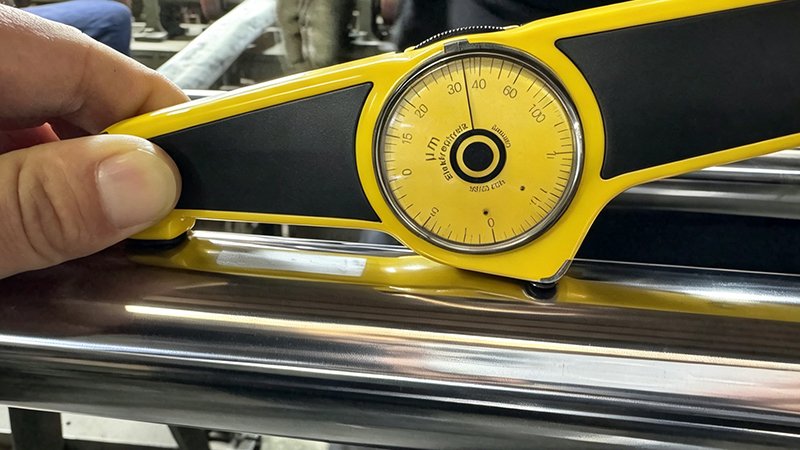
A Field Case Worth Knowing About
One pattern worth mentioning: a wind energy hydraulic system integrator initially specified chrome plated rod using a standard construction-equipment fatigue rating, based on a general catalog cross-reference rather than an actual cycle-count calculation for the pitch application. The rod performed acceptably in short-term testing, but the actual design life calculation — once total pitch adjustment cycles over twenty years were properly estimated — indicated the standard rating fell meaningfully short of what the application would demand over its full service life.
Once the actual expected cycle count was calculated and shared with us, we recommended a quenched and tempered treatment with a fatigue rating matched to that cycle count, rather than a rating carried over from a different application type. This is a case where the standard cross-reference approach genuinely wasn’t sufficient — the cycle profile was too different from what the rating was originally based on.
How We Verify Fatigue-Relevant Properties Before Shipment
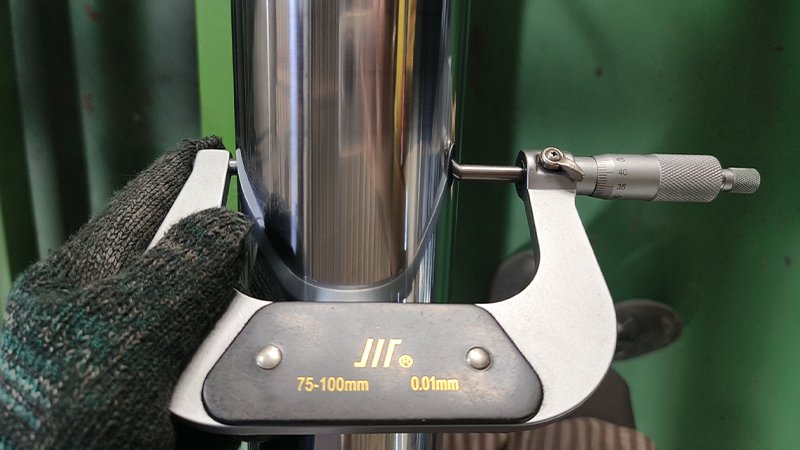
Beyond our standard hardness, thickness, and roughness inspection, we can provide mechanical property test data — tensile strength, yield strength, and elongation — for the specific heat treatment batch supplying a wind energy order, since these underlying material properties are what actually determines fatigue behavior over a long design life.
What to Send With Your RFQ
Send us stroke length, expected cycle frequency, total design life in years, and whether the installation is onshore or offshore. If your engineering team has already calculated a required fatigue rating or cycle-life target, share that directly and we’ll manufacture and treat the rod to meet it.
Frequently Asked Questions
Why is fatigue life a bigger concern than wear resistance for wind turbine cylinders? Pitch and yaw cylinders typically have small stroke ranges but cycle continuously over a multi-decade design life, so the total cycle count driving fatigue concerns is far higher than the wear-driven concerns typical of full-stroke, lower-cycle applications like construction equipment.
What heat treatment is usually recommended for wind turbine chrome plated rod? We generally recommend quenched and tempered treatment over induction hardening for continuous micro-cycling applications, since full-section hardness and toughness from tempering tends to handle distributed, repetitive loading more predictably at very high cycle counts.
Does offshore installation change the corrosion protection requirement? Yes. For offshore or coastal wind applications, we typically recommend supplementary corrosion protection beyond standard chrome plating, given the long design life and limited maintenance access typical of these installations.
What information helps size a wind turbine cylinder rod correctly? Stroke length, expected cycle frequency, total design life, and onshore versus offshore installation. These determine the fatigue rating needed far more than bore diameter or pressure alone would.
References & Further Reading
Internal resources:
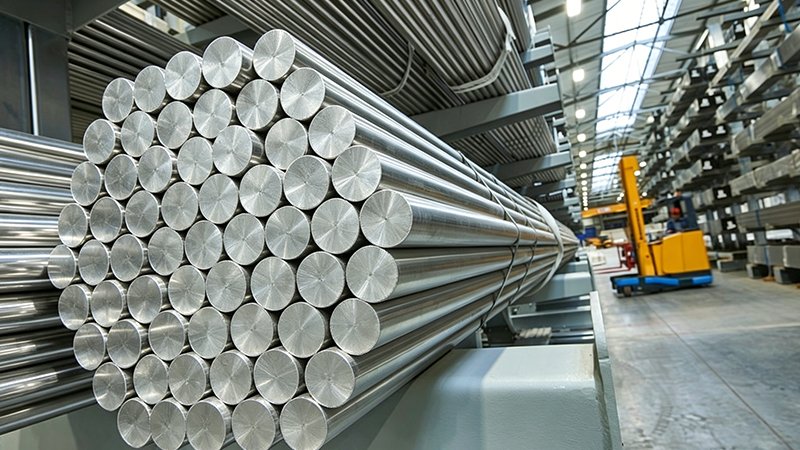
- Chrome Plated Rod Product Range
- Quenched and Tempered Chrome Plated Rod (HRC 25-32)
- Induction and Hardened Chrome Plated Rod (HRC 50-62)
External references:
- ISO 6158:2018, Metallic and Other Inorganic Coatings — Electrodeposited Coatings of Chromium for Engineering Purposes, the standard covering hard chrome plating referenced in this article: iso.org
- ISO 9001:2015, Quality Management Systems — Requirements, referenced for our batch-inspection process: iso.org
Tell Us Your Cycle Count, Not Just Your Stroke Length
If you’re specifying chrome plated rod for a wind turbine pitch or yaw cylinder, a stroke length and bore diameter alone won’t get you the right fatigue rating. Tell us the expected cycle frequency, total design life, and installation environment, and we’ll recommend a treatment matched to how the rod actually needs to perform over twenty-plus years.