
Written by Alex, Production Engineer at EAST AI
A drilling rig cylinder failure isn’t just a maintenance cost — it’s downtime on equipment that can cost more per idle hour than almost any other industry we supply. That’s why oil and gas customers ask us questions that rarely come up elsewhere: full material certificates, batch traceability back to the steel heat number, and documented compliance against their own internal specification, not just a general industrial standard.
We’ve supplied honed tube into drilling, well servicing, and pressure pumping equipment programs enough times to know the spec conversation here starts with pressure and traceability, and everything else follows from those two requirements.
Why Wall Thickness Calculations Get Conservative
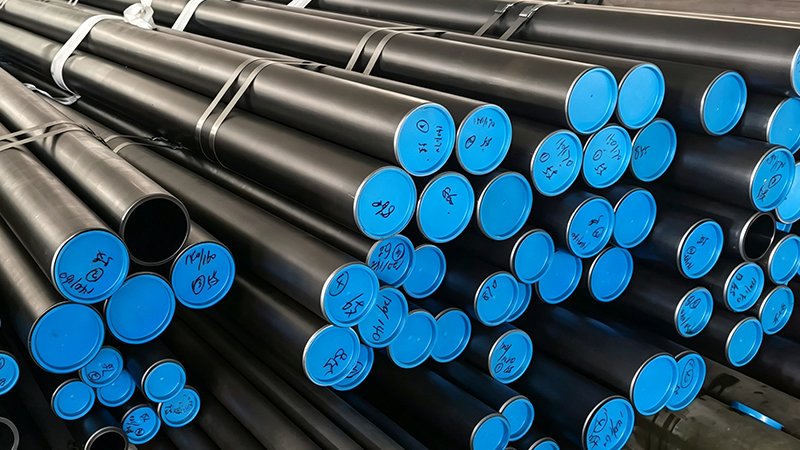
Drilling and well servicing equipment routinely operates at working pressures well above general industrial hydraulic norms, and pressure excursions during operation are a real, planned-for risk rather than an edge case. We size wall thickness with meaningful margin above the calculated minimum for oil and gas applications specifically because the consequence of a wall thickness failure here is more severe than in most other industries we serve.
This isn’t a blanket rule applied regardless of the actual working pressure — it’s a margin decision made once we know the real operating pressure, including any documented pressure spike allowances from the customer’s own equipment design.
Material Traceability From Heat Number to Finished Tube
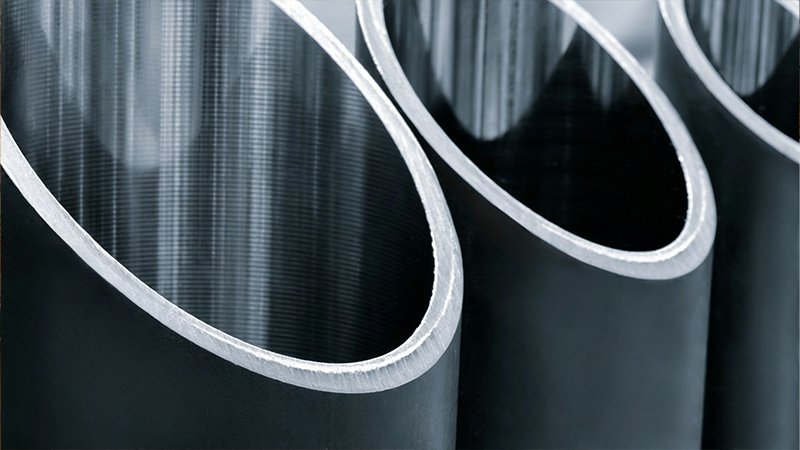
Oil and gas customers frequently require full material traceability — the ability to trace a finished honed tube back to the specific steel heat number, mill certificate, and chemical composition of the raw material batch it came from. This isn’t paperwork for its own sake; it’s a documented chain that matters if a material question ever comes up on safety-critical equipment.
We maintain batch records that link raw material certificates through to finished tube inspection data, so a traceability request can be answered with an actual document trail rather than a general assurance.
Standards Compliance Beyond a Generic Spec Sheet
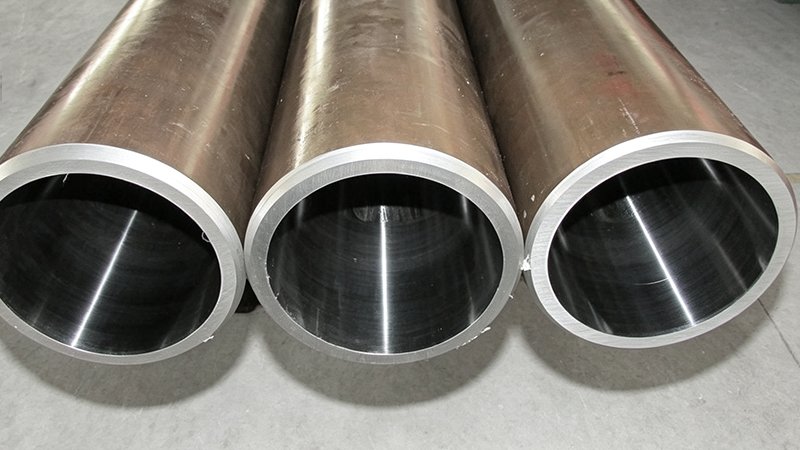
Oil and gas equipment manufacturers often work against internal specifications built on top of industry standards like API requirements, rather than ordering straight off a generic honed tube catalog. We work from the customer’s actual specification document when one exists, confirming material grade, testing requirements, and documentation format against what their own quality system requires — rather than assuming a standard industrial spec sheet covers it
Surface Finish for High-Pressure Seal Reliability
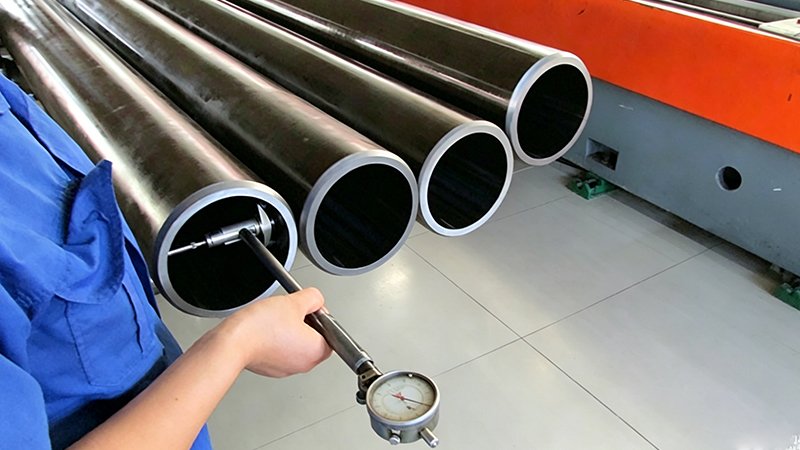
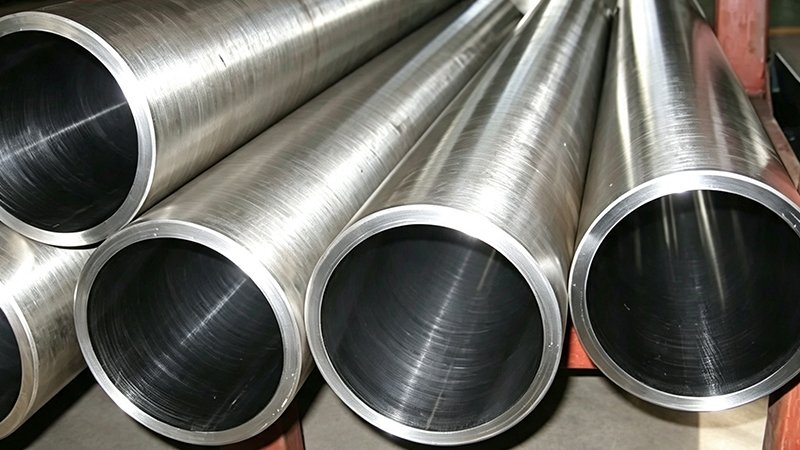
At the pressure levels common in drilling and pressure pumping equipment, bore surface finish has a more direct relationship to seal reliability than it does in lower-pressure applications, because higher pressure differentials across the seal amplify the effect of any surface inconsistency. We hold tighter roughness and straightness tolerances for high-pressure oil and gas honed tube than we would for a general industrial application at a similar bore diameter.
A Field Case Worth Knowing About
One pattern worth mentioning: a well servicing equipment manufacturer once specified a honed tube grade based on a previous, lower-pressure generation of their equipment, without flagging that the new equipment generation ran at a meaningfully higher working pressure. The tube met every dimensional and material spec on the original order — it just wasn’t sized for the actual pressure the new equipment generation would see.
Once the actual working pressure of the new equipment was disclosed, we recalculated wall thickness margin and moved to a higher-grade material, resolving the issue before any equipment shipped. This is why we ask for actual working pressure and equipment generation details rather than just matching a previous purchase order.
How We Verify Compliance Before Shipment
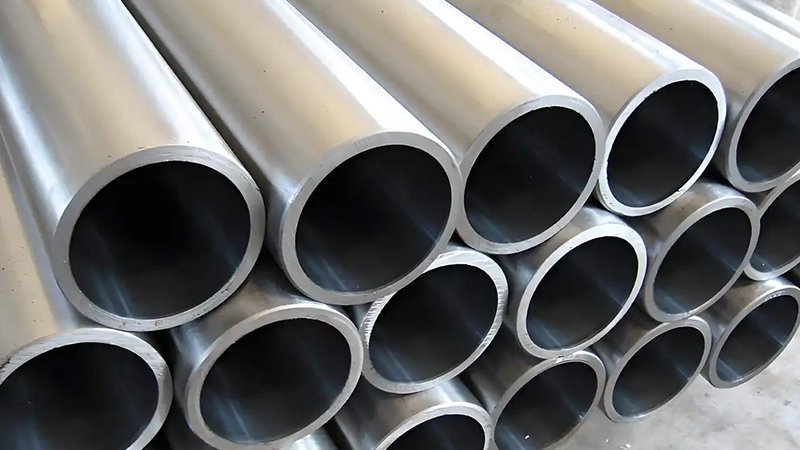
Every oil and gas order goes through documented dimensional, surface, and material verification, with full certificate packages — mill certificates, chemical composition reports, and inspection records — compiled and provided alongside the shipment. We treat documentation completeness as part of the deliverable itself, not an optional add-on, because incomplete paperwork can hold up equipment commissioning as much as an actual quality issue would.
What to Send With Your RFQ
Send us your actual working pressure (including any documented spike allowance), the internal specification document if one exists, and your material traceability and certification requirements. This lets us confirm wall thickness margin and documentation format before quoting, rather than after an order is already in production.
Frequently Asked Questions
Does oil and gas equipment need a different honed tube grade than general industrial hydraulics? Often yes. Drilling and well servicing equipment typically runs at higher working pressure with real, planned-for pressure spike risk, which calls for greater wall thickness margin than general industrial applications at a similar bore size.
What does material traceability mean for a honed tube order? It means the finished tube can be traced back to the specific steel heat number and mill certificate of the raw material batch, with documentation maintained through the full production process, not just a general material grade statement.
Can EAST AI work to a customer’s internal specification rather than a standard catalog spec? Yes. When a customer has an internal specification built on industry standards, we confirm material grade, testing, and documentation requirements against that document directly.
What documentation ships with an oil and gas honed tube order? Mill certificates, chemical composition reports, and dimensional and surface inspection records are compiled and provided with the shipment as standard for these orders.
References & Further Reading
Internal resources:
External references:
- API Spec 6A, Specification for Wellhead and Christmas Tree Equipment, referenced for general oil and gas equipment specification context: api.org
- ISO 9001:2015, Quality Management Systems — Requirements, referenced for our batch-inspection and traceability process: iso.org
Tell Us Your Actual Working Pressure, Not Just Your Bore Size
If you’re specifying honed tube for drilling, well servicing, or pressure pumping equipment, don’t assume a previous order’s spec still applies to a new equipment generation. Tell us the actual working pressure and your traceability requirements, and we’ll confirm wall thickness margin and documentation before your order goes into production.