
For OEM hydraulic cylinder production, quality is not only about whether a chrome plated rod looks correct when it arrives. When components are purchased repeatedly, the ability to identify material, production batches, inspection information, and product specifications can become an important part of supplier management. Traceability helps manufacturers understand which material and production batch was used when a quality question appears later.
Traceability does not necessarily mean complicated paperwork for every order. The appropriate level depends on the customer’s quality system and the importance of the component. What matters is that the buyer and supplier agree in advance on what information needs to remain identifiable from production through delivery and incoming inspection.
What Does Chrome Plated Rod Traceability Mean?
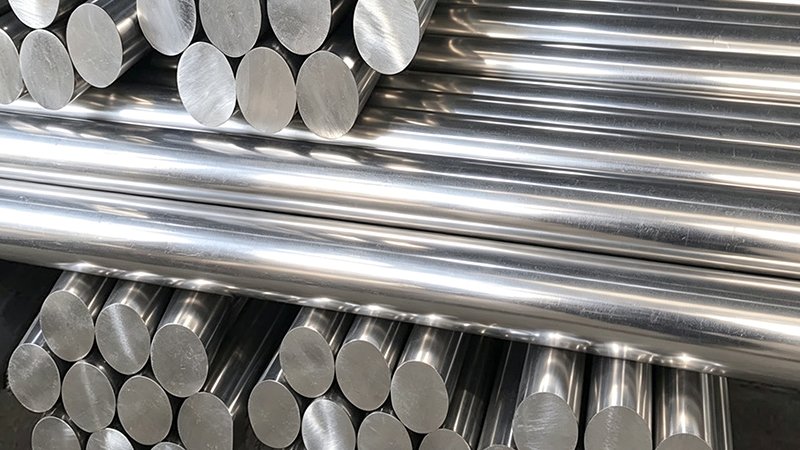
Chrome plated rod traceability refers to the ability to connect a delivered rod or batch of rods with relevant production and quality information. Depending on the supplier’s system and the customer’s requirements, this may include material identification, batch information, dimensional inspection, plating information, and shipment records.
The purpose is straightforward: if a question arises about a batch of rods, the manufacturer should be able to determine which products are affected and review the corresponding production or inspection information rather than treating every shipment as an unidentified group of components.
Material Identification Is an Important Starting Point
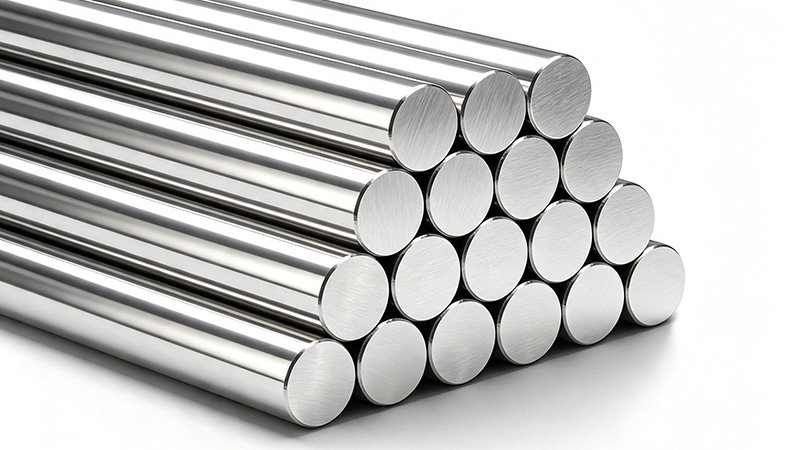
The base material should be clearly identified according to the agreed specification. Chrome plated rods can be produced using different materials depending on the product and application, including carbon steel, alloy steel, and stainless steel options.
For OEM buyers, material traceability becomes particularly useful when several rod specifications are purchased from the same supplier. A clear material designation and batch identification can reduce the risk of confusing similar-looking rods that have different technical requirements.
Plating Information Should Also Be Controlled
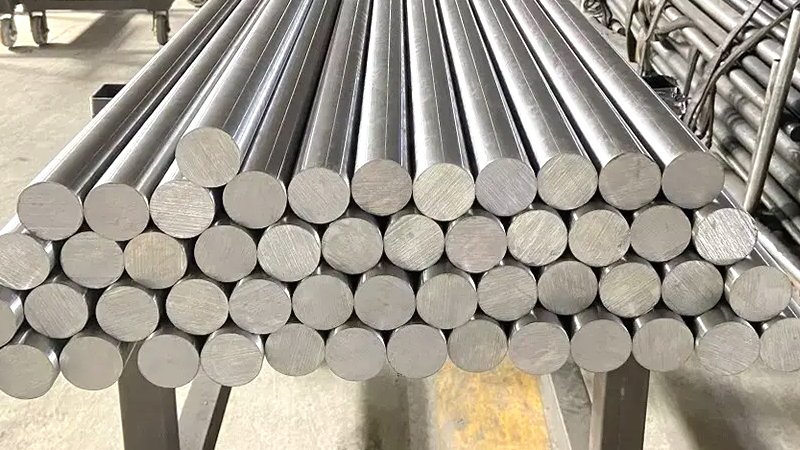
Chrome plating is part of the functional specification of the rod, not simply a cosmetic treatment. The buyer may have requirements for chrome thickness, surface condition, hardness, and dimensional finish.
The applicable values should always be confirmed against the agreed product specification. Different rod materials, heat treatments, diameters, and product configurations may have different requirements, so buyers should avoid treating one generic plating value as universal.
Dimensional Inspection and Batch Records
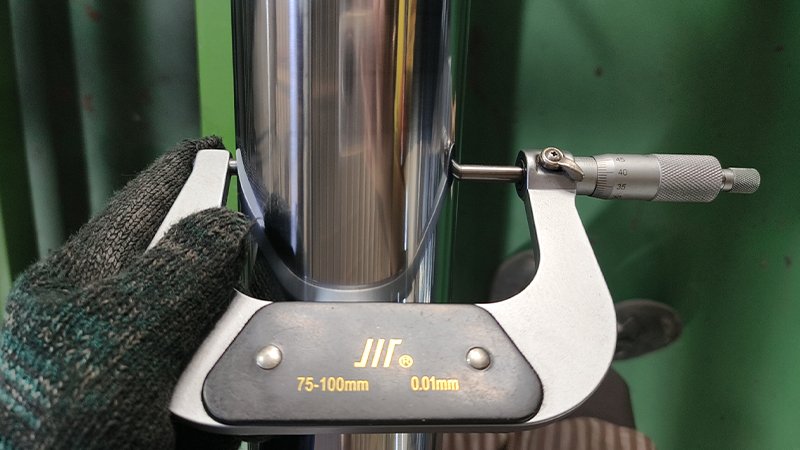
Diameter tolerance is another useful traceability point. Product specifications may include tolerance grades such as f7, f8, and g6, depending on the required rod type and dimension. Inspection records can help demonstrate that the delivered batch was checked against the agreed dimensional requirements.
For OEM production, batch-level information is often more useful than simply receiving a general statement that the rods were inspected. The buyer can establish which batch was inspected, what specification was used, and which shipment the inspection information relates to.
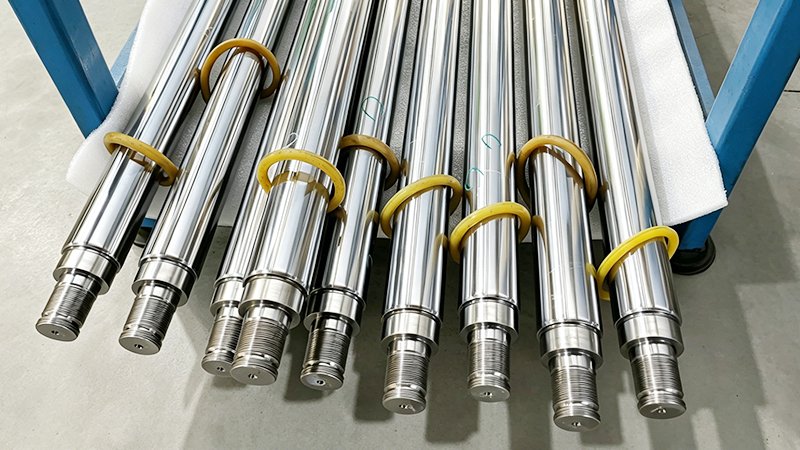
Why Traceability Helps When a Quality Problem Appears
Suppose an OEM identifies an unexpected dimensional issue during incoming inspection. Without useful batch information, the manufacturer may need to investigate a large number of shipments or production orders. With clearer traceability, the investigation can be narrowed to the relevant batch and specification.
This can make supplier communication more efficient and reduce unnecessary disruption. Traceability does not prevent every quality problem, but it can make the response more controlled when a problem does occur.
What Should OEM Buyers Ask Suppliers?
A practical discussion can start with a few simple questions:
- How are production batches identified?
- Can material information be linked to the supplied batch?
- How are dimensional inspections recorded?
- Can plating requirements be linked to the production batch?
- How is the shipment linked to the relevant production record?
- What quality documents are available when requested?
The answers will depend on the supplier’s production and quality system. The important point is to agree on the required level of traceability before placing regular production orders.
Traceability Is Especially Useful for Repeat Orders
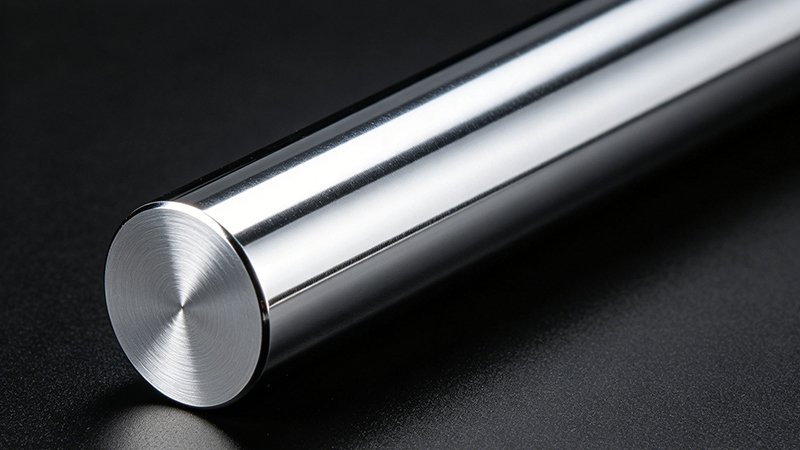
For one-time purchases, traceability may seem less important. For repeat OEM orders, it becomes more valuable because the manufacturer needs consistent identification across multiple shipments. A clear record can help buyers compare production batches and investigate changes if a later shipment behaves differently from earlier material.
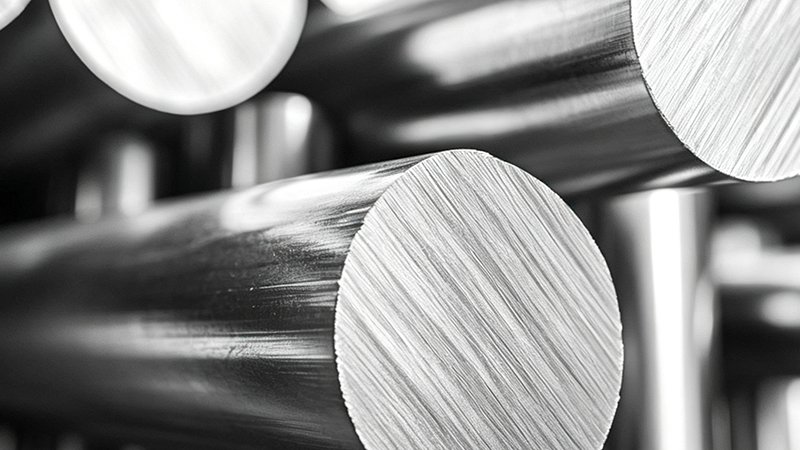
This is particularly relevant when purchasing chrome plated piston rod for multiple hydraulic cylinder models. Similar components may have different diameters, materials, tolerances, or plating requirements, so clear identification helps prevent specification mix-ups.
Traceability Should Match the Application
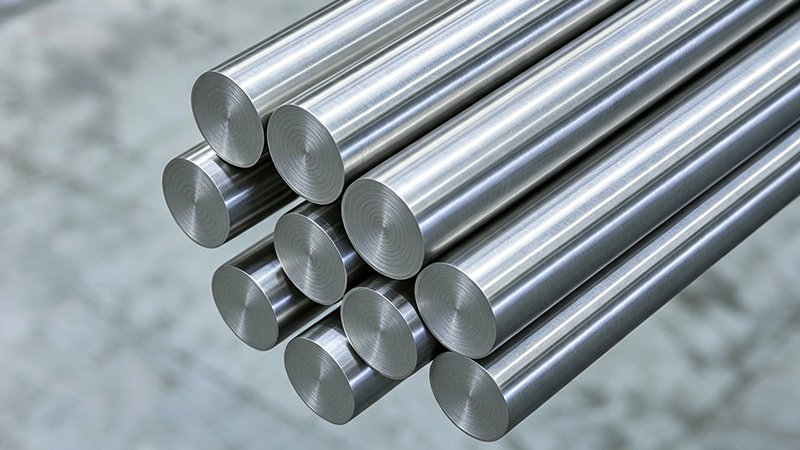
Not every customer needs the same documentation package. A standard industrial application may require straightforward batch and inspection identification, while a more demanding OEM production environment may require more detailed documentation.
The best approach is to define the requirements according to the application and purchasing process. The goal is not to create paperwork for its own sake, but to ensure that important technical information can be traced when it is needed.
Frequently Asked Questions
Does every chrome plated rod need full traceability?
The required level depends on the customer’s quality system, application, and purchasing requirements. Buyers should define the expected traceability level with the supplier.
What information is most useful for traceability?
Material identification, production or batch identification, dimensional inspection information, plating requirements, and shipment records are useful starting points.
Is a material certificate the same as full traceability?
Not necessarily. A material document may provide information about the base material, while full traceability can also connect the component to production, inspection, and shipment records.
Can traceability help with repeat orders?
Yes. Consistent batch identification makes it easier to compare shipments and investigate quality questions across repeated purchases.
Related Products & Applications
Chrome Plated Rod
Hydraulic Piston Rod
Honed Tube
Hydraulic Cylinder Applications
Need Technical Support?
If your OEM program requires specific chrome plated rod specifications or traceability information, EAST AI can discuss the required material, dimensional, plating, inspection, and documentation requirements for your application.