
A good hydraulic cylinder component RFQ does more than tell a supplier what product you want to buy. It gives the supplier enough technical information to understand the required component, quote accurately, and identify questions before production begins. For manufacturers sourcing honed tubes or chrome plated rods, an incomplete RFQ can result in repeated clarification, inconsistent quotations, or a component that does not match the intended assembly.
The best RFQs are usually concise but technically complete. The buyer does not need to provide unnecessary information, but the critical characteristics should be clearly defined. This is especially important when sourcing honed tube and chrome plated rod, because dimensions, materials, tolerances, surface requirements, and delivery conditions can all affect the final product.
Start With the Basic Component Information
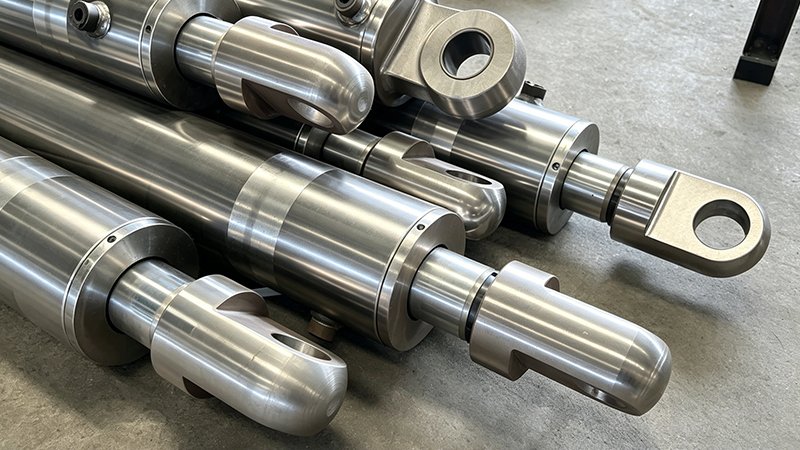
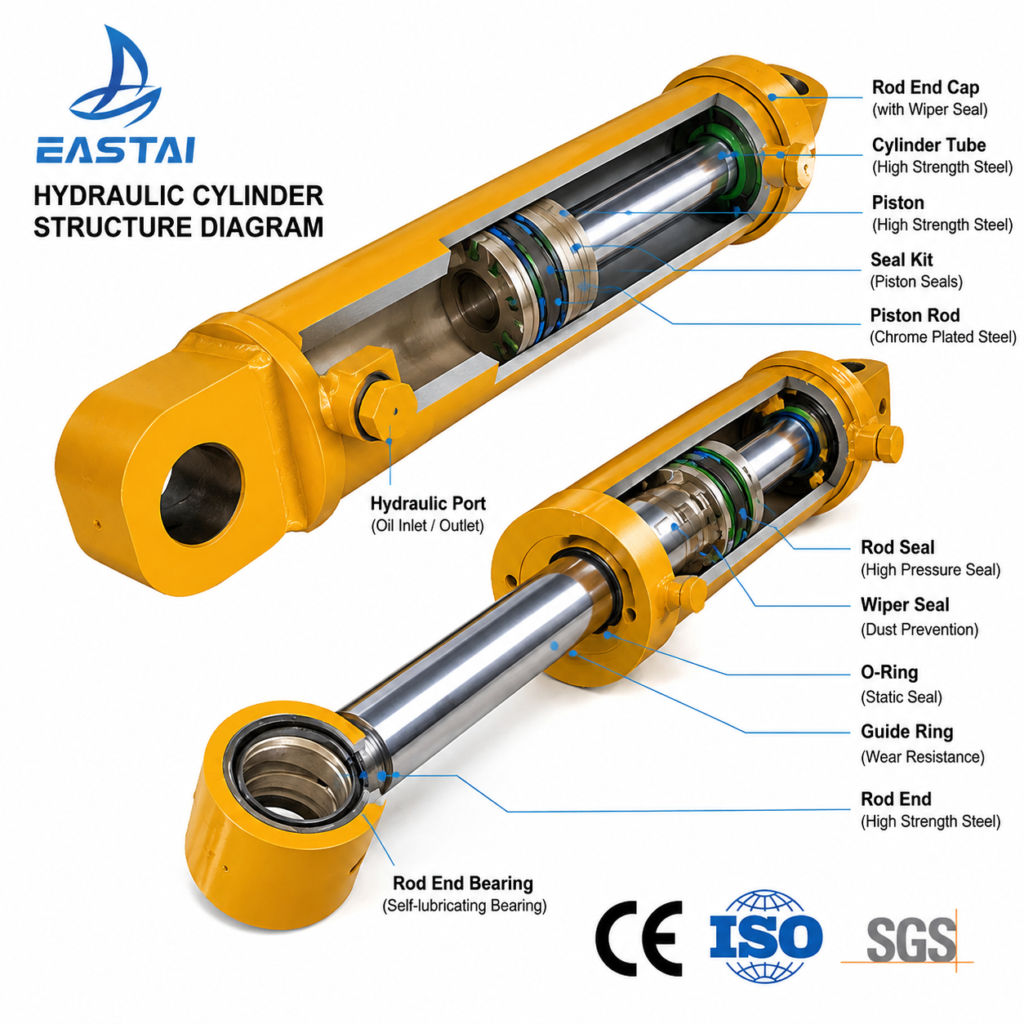
The RFQ should first identify exactly which component is required. For example, the buyer may be sourcing a hydraulic cylinder tube, honed tube, chrome plated rod, or another piston rod configuration. If the component is part of an existing cylinder, the drawing number or component reference can make communication easier.
The required quantity should also be stated clearly. A supplier may quote differently for prototype quantities, small batches, and regular production volumes. Providing the expected order quantity and, when possible, annual demand gives the supplier better information for planning production and quotation.
Dimension and Tolerance Requirements
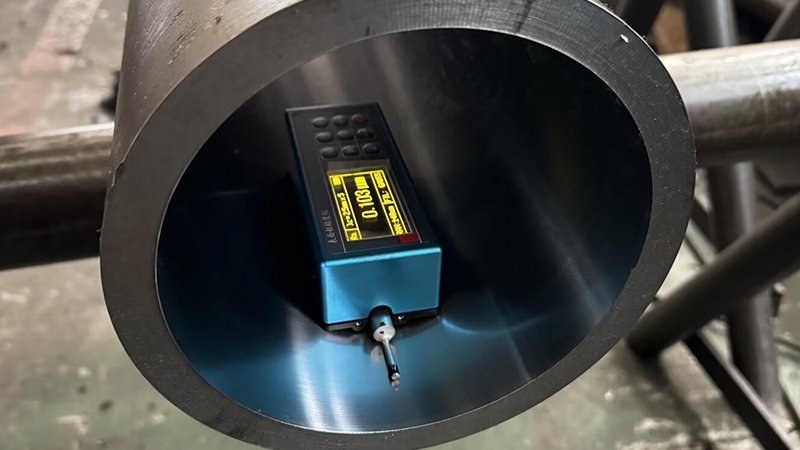
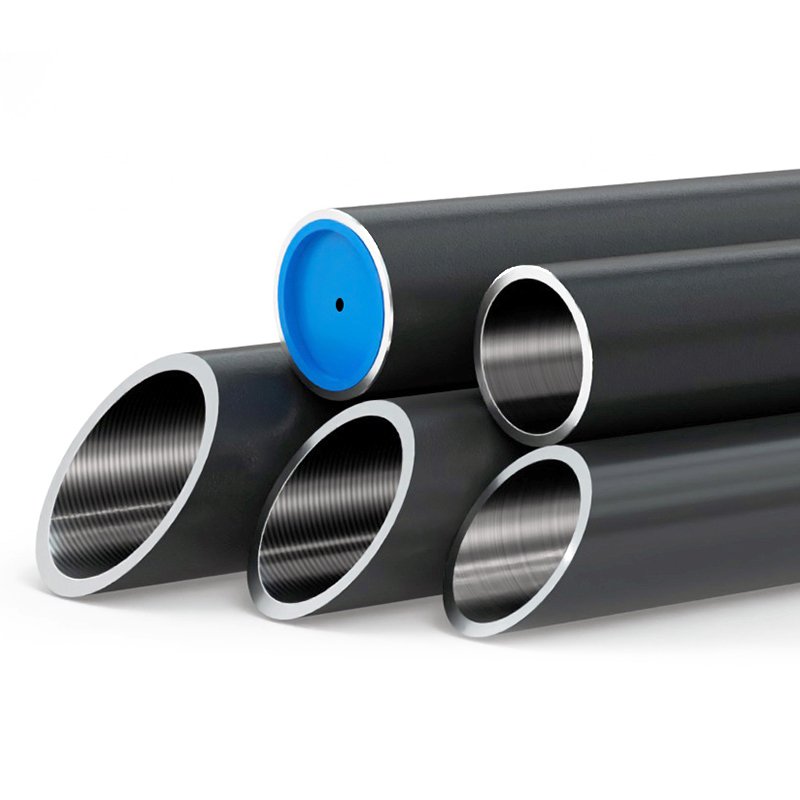
For a honed tube, the RFQ should clearly identify the required internal diameter, outside diameter where applicable, wall dimensions, length, and dimensional tolerances. Internal surface requirements should also be included when they are critical to the cylinder design.
For a chrome plated rod, the nominal diameter and required tolerance are particularly important. If the drawing specifies a tolerance such as f7, f8, or g6, it should be stated directly rather than described only as “precision.” This avoids different interpretations between buyer and supplier.
Material and Surface Requirements
Material grade should be included whenever it is part of the design requirement. The appropriate material depends on the intended application and component specification, so the supplier should not be expected to select a material without guidance unless the RFQ specifically requests material recommendations.
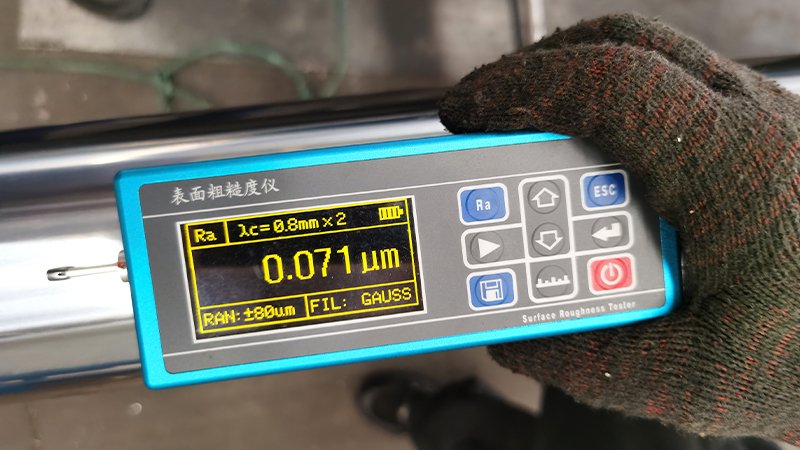
For chrome plated rods, the buyer may also need to specify chrome thickness, surface condition, hardness, or other relevant requirements. These details should be based on the component drawing and application rather than copied from a generic specification.
Drawings Are Often the Best Reference
When a component has complex dimensional or machining requirements, attaching a technical drawing is usually more effective than describing every feature in an email. The drawing can define critical dimensions, tolerances, grooves, threads, end configurations, and other details.
However, the drawing should not replace the RFQ text completely. The buyer should identify the most important requirements in the RFQ and clearly indicate which drawing or revision should be used. This helps avoid situations where the supplier receives multiple drawings and cannot determine which version is current.
Quantity, Packaging, and Delivery
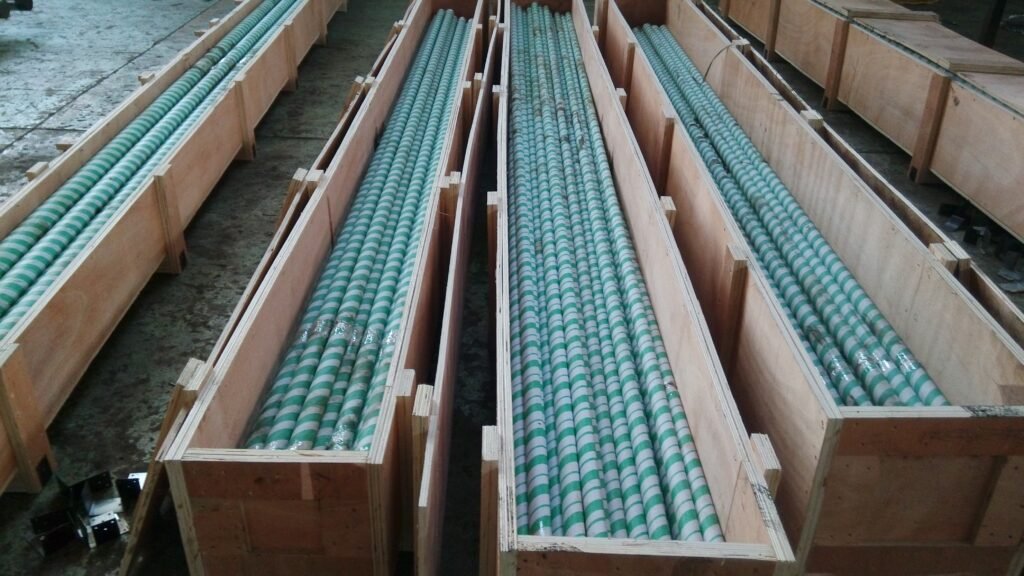
The RFQ should also include the required quantity and delivery requirements. If the component will be stored before assembly, packaging and corrosion protection may be relevant. For chrome plated rods, packaging may include anti-rust protection and protective wrapping depending on the product and shipment requirements.
If the buyer has specific packaging or labeling requirements, these should be stated before quotation. Otherwise, the supplier may calculate the price based on its standard packaging method, creating differences later in the purchasing process.
Inspection and Quality Documentation
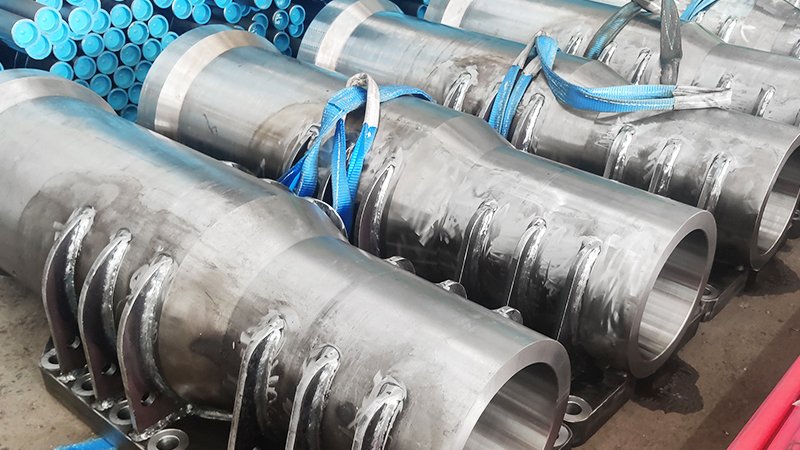
If inspection documentation is required, it should be identified in the RFQ. Depending on the component, this may include dimensional inspection records, material information, surface-related inspection, or other agreed quality documentation.
The key is to distinguish between requirements that are mandatory and documents that are optional. Clear quality requirements help suppliers prepare the quotation correctly and help buyers compare different offers on the same basis.
A Practical RFQ Checklist
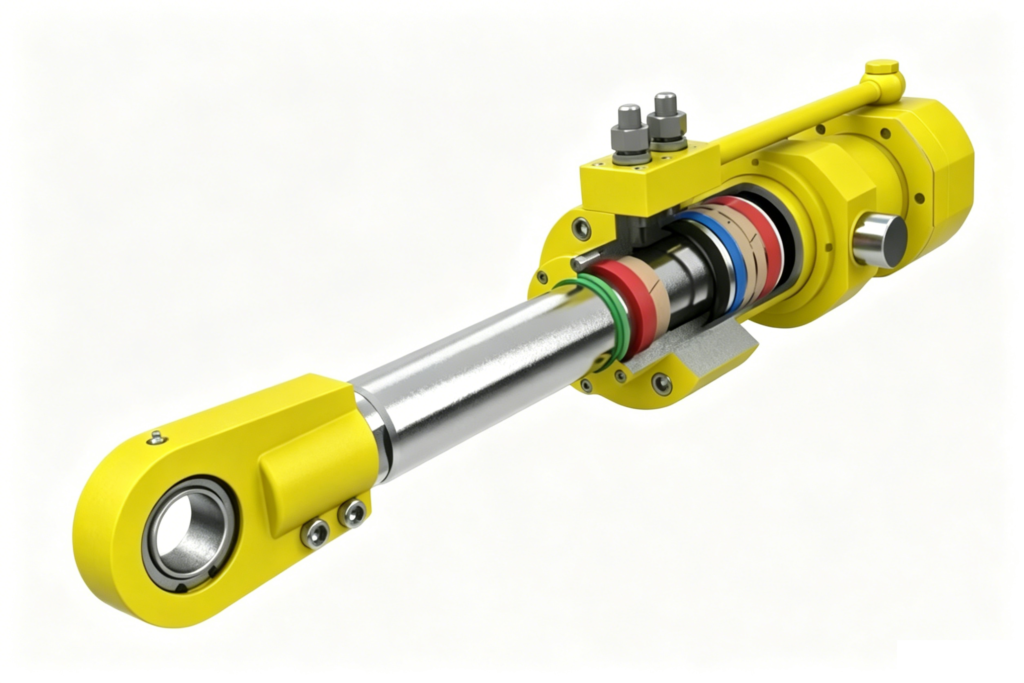
A basic hydraulic cylinder component RFQ can include:
- Component name and part number
- Technical drawing and revision
- Required quantity
- Nominal dimensions
- Dimensional tolerances
- Material grade
- Surface requirements
- Chrome thickness where applicable
- Length and length tolerance
- Packaging requirements
- Required inspection or quality documents
- Target delivery schedule
- Any special application requirements
The purpose is not to make the RFQ unnecessarily long. It is to make sure that the information that affects price, manufacturability, quality, and delivery is available from the beginning.
Why Better RFQs Produce Better Quotes
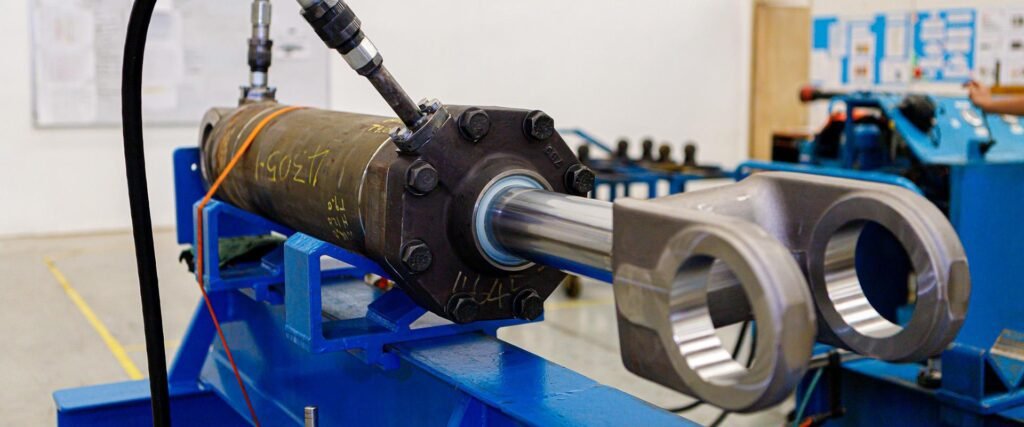
A supplier can only quote accurately based on the information available. If the RFQ leaves critical requirements open, different suppliers may make different assumptions, which makes price comparison difficult. A lower quotation may simply reflect a different material, tolerance, packaging method, or quality requirement.
A well-prepared RFQ gives both sides a clearer technical starting point. For buyers sourcing honed tube or chrome plated rod, this can reduce clarification time and make supplier evaluation much more straightforward.
Frequently Asked Questions
Do I need a drawing when requesting honed tube?
Not always, especially for a standard product. However, a drawing is useful when the tube has specific dimensions, tolerances, length requirements, or end-processing requirements.
What is the most important information for a chrome plated rod RFQ?
At minimum, the buyer should clearly define the diameter, length, material, tolerance, and surface/plating requirements that are relevant to the application.
Should the application be included?
Yes. Even a short description of the application can help the supplier understand why certain specifications are important and identify potential technical questions.
Should packaging be included in the RFQ?
If packaging affects storage, transportation, corrosion protection, or customer handling, it should be specified before quotation.
Related Products & Applications
Need Technical Support?
If you are preparing an RFQ for honed tube, chrome plated rod, or other hydraulic cylinder components, EAST AI can review your basic requirements and discuss the appropriate product specification.