
Written by Alex, Production Engineer at EAST AI 2026/9/8
Weight matters differently depending on what you’re building. On a stationary press, an extra kilogram of rod weight is irrelevant. On a mobile machine — a forklift mast, an aerial platform, a compact loader — every kilogram in the moving assembly affects lift capacity, cycle speed, and fuel or battery consumption. This is usually where the hollow rod conversation starts.
We get asked fairly often whether hollow chrome plated rod is simply a lighter version of a solid rod with no trade-off. It isn’t quite that simple, and the right answer depends on the application’s actual load path, not just the target weight reduction.
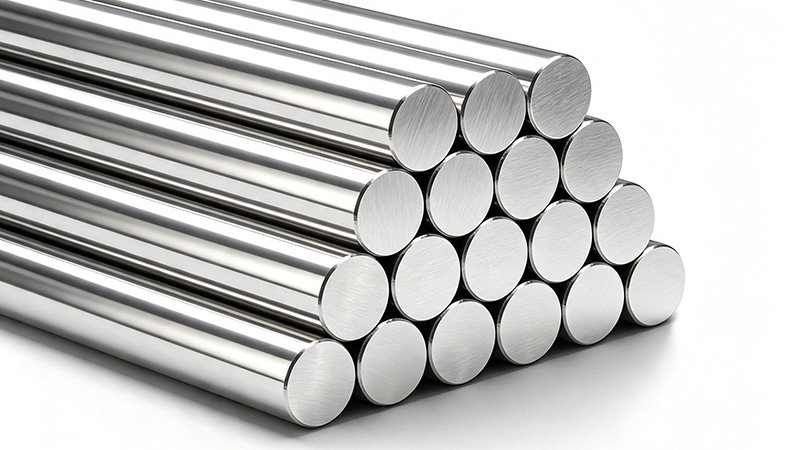
What a Hollow Rod Actually Changes
A hollow-rod (pipe rod) removes material from the rod’s core, reducing weight while keeping the same outer diameter and chrome-plated working surface that interfaces with the seals. This means the sealing and wear characteristics stay essentially the same as a solid rod of the same OD — the difference is entirely in the rod’s bending stiffness and buckling resistance, not its surface performance.
Because the core material is removed, a hollow rod has lower resistance to buckling under compressive load compared to a solid rod of the same OD. This matters most in long-stroke, compression-loaded applications, and matters much less in shorter-stroke or primarily tension-loaded applications.
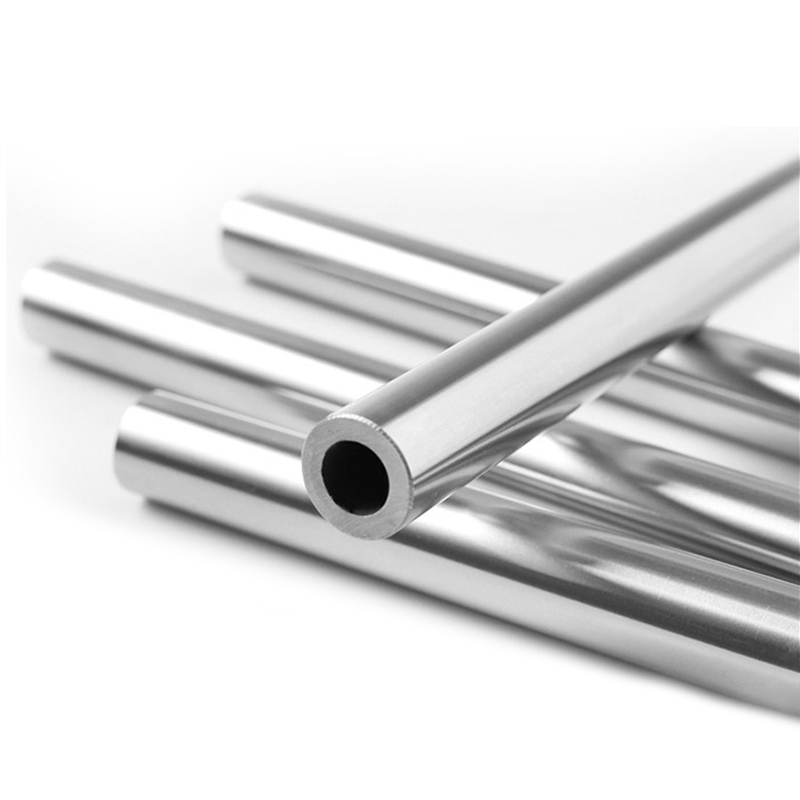
Where Hollow Rod Makes the Most Sense
Forklift mast cylinders, aerial work platform cylinders, and other applications where the rod is relatively short relative to its diameter, or where the load is predominantly tension rather than compression, are good candidates for hollow rod. The weight saving translates directly into either higher lift capacity or lower unladen machine weight without meaningfully compromising structural performance.
We’ve supplied hollow chrome plated rod for exactly these applications, and the weight reduction compared to an equivalent solid rod is substantial enough to matter for the finished machine’s rated capacity.
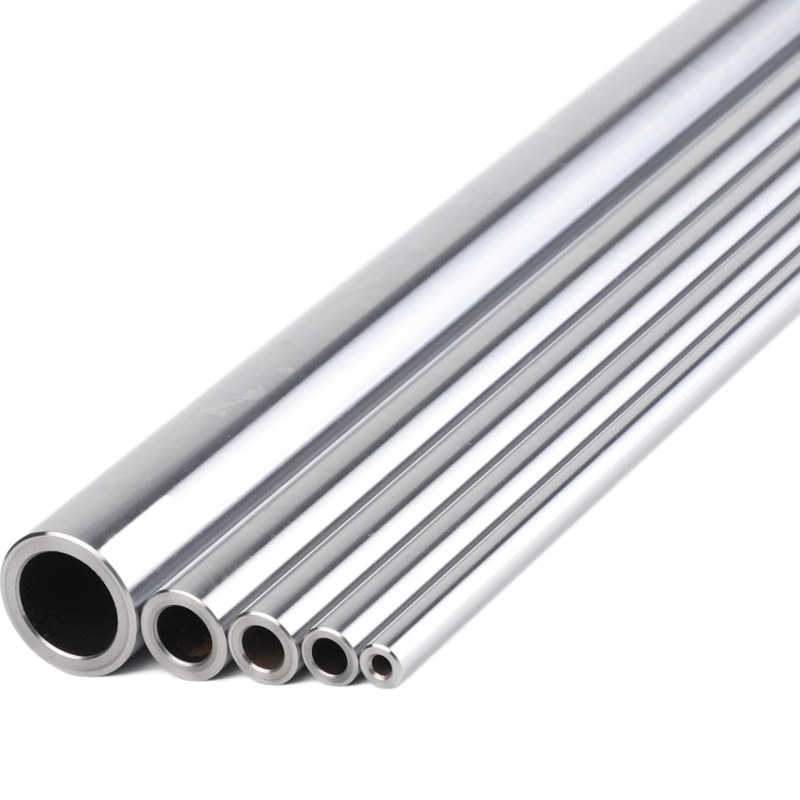
Where Solid Rod Is Still the Right Choice
Long-stroke, compression-loaded applications — excavator arm cylinders, certain crane cylinders, and other designs where the rod is fully extended under heavy compressive load — are generally better served by solid rod, because buckling resistance scales with the rod’s moment of inertia, and removing core material reduces that resistance at exactly the geometry where it matters most.
This is a case where a lighter rod isn’t actually a better rod. If the application’s duty cycle involves the rod extended and under load for extended periods, the buckling margin needs to be calculated properly rather than assumed safe just because the OD matches a previous solid-rod design.
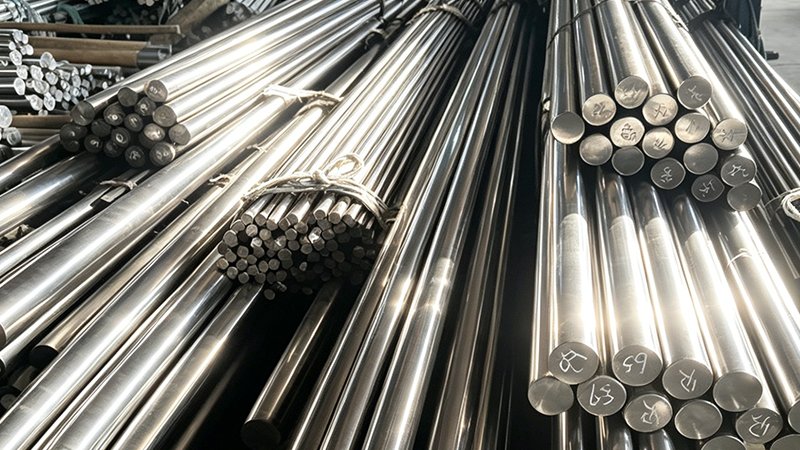
A Selection Case Worth Knowing About
One pattern we’ve seen: a customer converts an existing solid-rod cylinder design to hollow rod purely to reduce machine weight, without recalculating the buckling margin for the new configuration. The cylinder performs fine at partial extension, then shows rod deflection or binding when fully extended under rated load — a classic buckling-related symptom rather than a wear or sealing problem.
The fix in this case isn’t switching back to solid rod automatically — sometimes a slightly larger OD hollow rod restores adequate buckling resistance while still delivering most of the weight saving. This is a calculation worth doing before committing to a production design change, not after the first field complaint.
Manufacturing Considerations for Hollow Rod
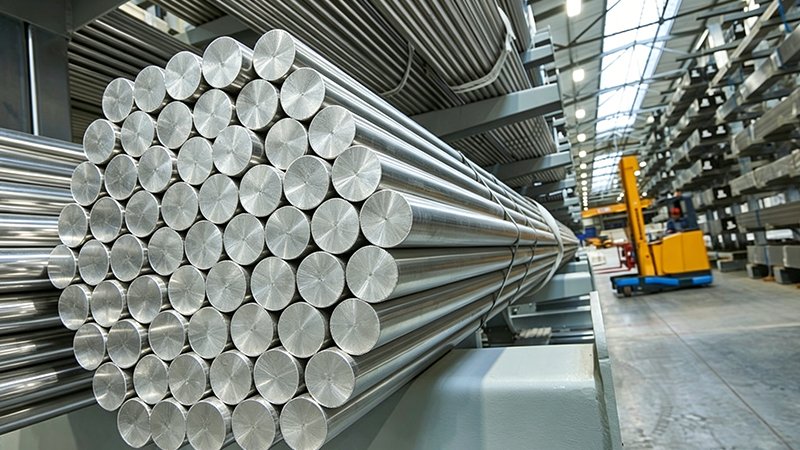
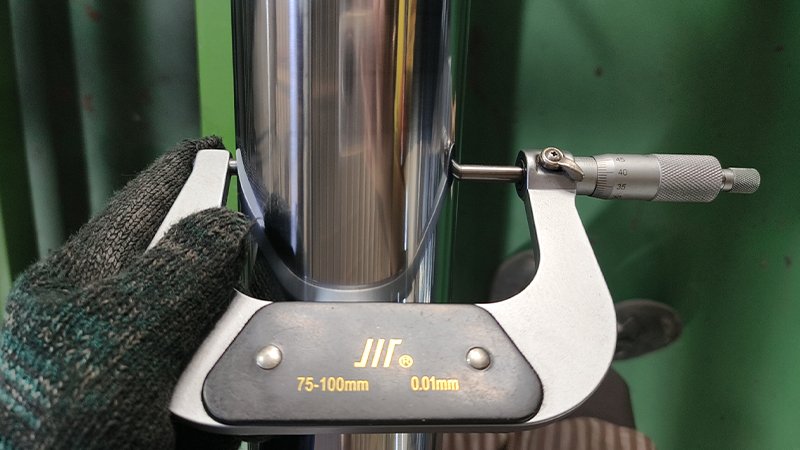
Machining a hollow rod involves controlling both the outer diameter for chrome plating and honing, and the inner bore concentricity, since an off-center bore creates uneven wall thickness that weakens the rod unevenly around its circumference. We control wall thickness uniformity as part of standard dimensional inspection on every hollow rod batch, not just the outer diameter that interfaces with the seals.
This is a detail that’s easy to overlook when comparing suppliers on outer diameter and chrome specification alone — two hollow rods with identical OD and plating can have meaningfully different actual strength if wall thickness control differs between manufacturers.
Cost and Lead Time Comparison
Hollow rod typically costs more per finished piece than an equivalent-OD solid rod, because of the additional deep-hole drilling or boring operation required to create the bore. For weight-sensitive applications where the performance benefit justifies the cost, this is usually an easy trade-off; for applications where weight isn’t a binding constraint, solid rod remains the more economical choice.
We’re upfront about this with customers early in the quoting process, because choosing hollow rod purely out of habit — without an actual weight-sensitive design driver — adds cost without adding value.
What to Send With Your RFQ
Tell us whether your application is compression-loaded, tension-loaded, or mixed, along with stroke length, working pressure, and whether weight reduction is a hard design requirement or a nice-to-have. This lets us recommend hollow or solid rod based on your actual load case rather than defaulting to whichever your previous supplier used.
Frequently Asked Questions
Is hollow chrome plated rod weaker than solid rod?
It has lower buckling resistance under compressive load at the same OD, because core material is removed. Its surface wear and sealing performance are essentially the same as solid rod, since both share the same outer working surface.
What applications benefit most from hollow rod?
Shorter-stroke or tension-dominant applications like forklift masts and aerial platforms, where weight reduction translates directly into capacity gains without significant buckling risk.
Can I convert an existing solid-rod cylinder design to hollow rod?
Only after recalculating buckling margin for the new configuration. A straight swap at the same OD can leave the design under-margined for full-extension compressive loading.
Does hollow rod cost more than solid rod?
Generally yes, due to the additional bore-forming operation required. The added cost is usually justified only when weight reduction is a genuine design requirement.
References & Further Reading
Internal resources:
External references:
- ASTM A519, Standard Specification for Seamless Carbon and Alloy Steel Mechanical Tubing — relevant base tube specification referenced for hollow rod stock material: store.astm.org
- ISO 9001:2015, Quality Management Systems — Requirements, referenced for our batch-inspection process: iso.org
Send Us Your Load Case, Not Just a Weight Target
If you’re considering hollow rod to cut weight on a mobile equipment design, send us your load type, stroke, and pressure before you commit to the conversion. We’ll tell you honestly whether hollow rod meets your buckling margin or whether you need to hold on to solid rod for this particular design.