
Why Corrosion Matters
The exposed section of a hydraulic piston rod can encounter water, humidity, dust, chemicals and other environmental contaminants. This makes corrosion protection an important consideration, particularly for outdoor hydraulic equipment.
A chrome plated rod uses a hard chrome layer on the steel base to provide a controlled external working surface and contribute to corrosion resistance. However, coating alone does not eliminate every corrosion risk.
What Does Chrome Plating Do?
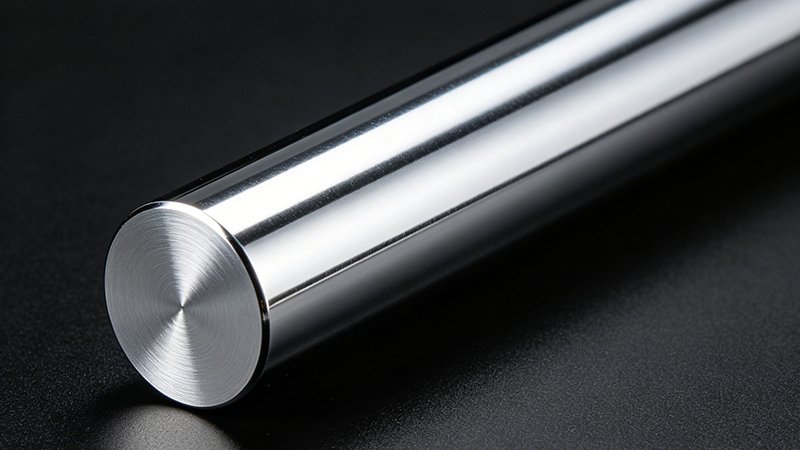
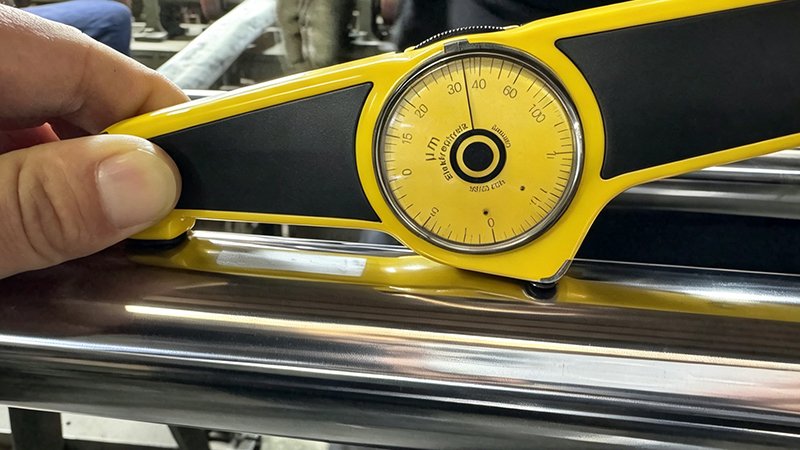
Hard chrome creates a hard external layer over the steel rod. The available product specification lists chrome layer hardness of approximately 850 HV, with chrome thickness from 20–100 μm.
The coating is designed to provide surface durability and corrosion protection, but its effectiveness depends on coating quality, final surface condition, handling and the environment in which the rod operates.
Why Outdoor Equipment Needs More Attention
Construction machinery, agricultural equipment and mobile hydraulic systems can expose piston rods to rain, mud, dust and changing temperatures.
When contaminants remain on the exposed rod surface, the operating environment becomes more demanding. Proper component selection and maintenance are therefore particularly important for these applications.
Surface Finish Matters
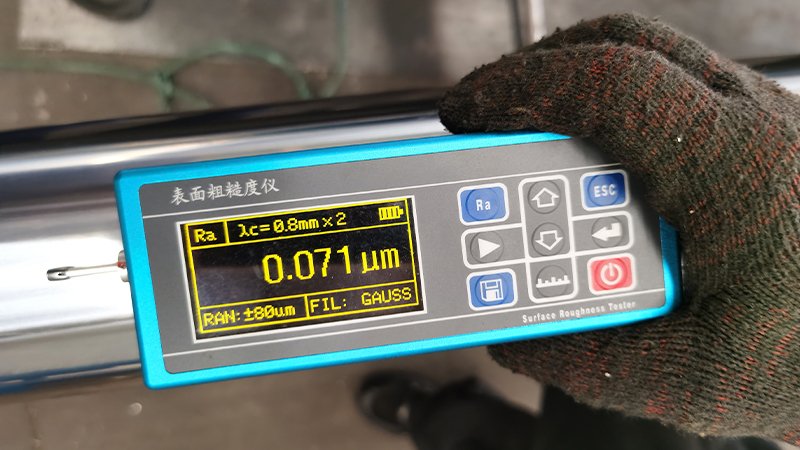
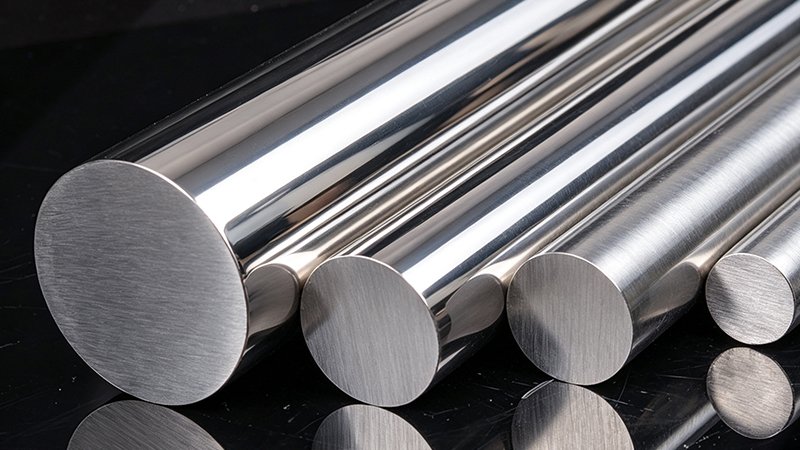
The final surface of a chrome plated piston rod needs to be controlled because it interacts with seals and guides while the rod moves.
The available specification lists surface roughness of Ra ≤0.2 μm. A controlled finished surface supports the intended working interface, while the complete coating and finishing process contributes to the overall condition of the rod.
Chrome Thickness Is Not Everything
It can be tempting to assume that a thicker chrome layer automatically provides better corrosion protection. In practice, coating thickness is only one part of the finished specification.
The available range of 20–100 μm provides different options, but the appropriate value should be selected according to the application, finishing process and dimensional requirements rather than simply choosing the maximum thickness.
Storage Before Installation
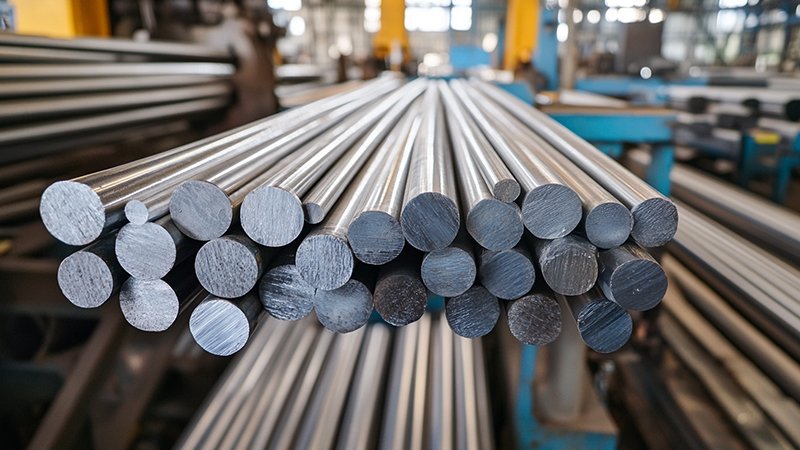
Corrosion can begin before a piston rod is installed in a hydraulic cylinder. Long storage periods, high humidity and poor protection can expose the rod to unnecessary environmental conditions.
OEM buyers should therefore establish suitable packaging and storage practices with the supplier, particularly when rods are purchased in large quantities or stored before cylinder assembly.
Handling During Production
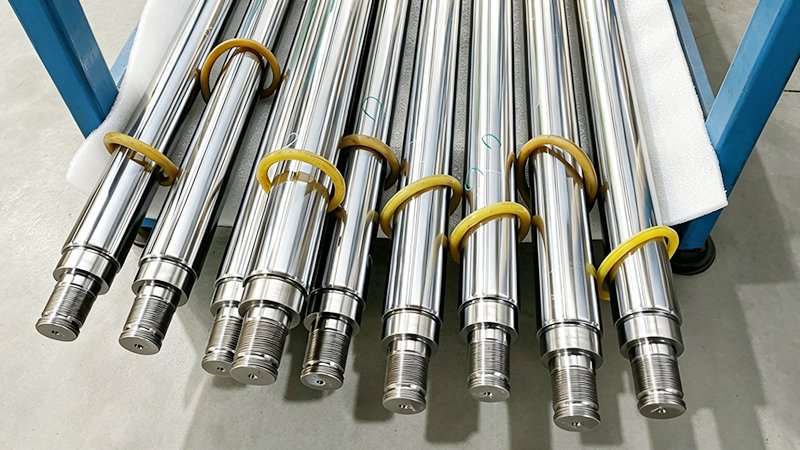
The finished surface of a chrome plated rod should be protected during transportation and cylinder assembly. Scratches or mechanical damage can affect the surface even when the original coating specification was correct.
Careful handling is especially important on long rods, where contact with equipment or other components can create localized damage during movement and storage.
Seal Condition Also Matters
The rod seal helps prevent external contaminants from entering the cylinder while maintaining the hydraulic fluid inside. A damaged or incorrectly installed seal can therefore affect the working environment of the piston rod.
Corrosion prevention should consequently include the complete cylinder system. The rod, seal, guide and tube all need to be considered together.
Material Selection
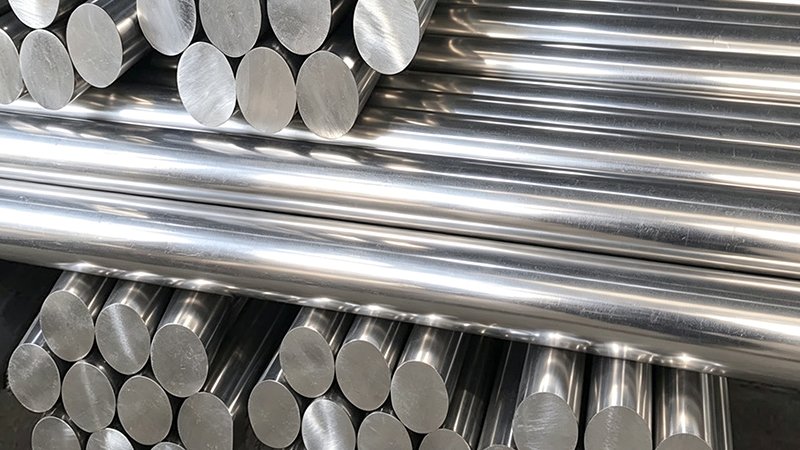
The steel base material can also influence the overall suitability of the rod for a particular environment.Available options include carbon steels, alloy steels and stainless steel grades such as SS430, SS431, 304, 316 and 2205. Stainless steel may be considered for applications with more demanding environmental requirements, subject to the mechanical and technical requirements of the cylinder.
Mobile Hydraulic Applications
Mobile equipment can combine mechanical loading with difficult environmental exposure. Piston rods may be exposed to mud, rain, road contaminants and repeated movement.
For these applications, the hydraulic piston rod should be specified according to both mechanical and environmental requirements. Coating, material, surface finish and dimensions should be evaluated together.
Industrial Applications
Industrial hydraulic cylinders may operate indoors, but certain environments can still create corrosion concerns. Manufacturing plants, ports, steel facilities and other industrial locations can expose equipment to moisture or aggressive contaminants.
The appropriate hard chrome rod specification should therefore reflect the actual operating environment rather than assuming that all industrial cylinders operate under identical conditions.
How European Buyers Can Reduce Risk
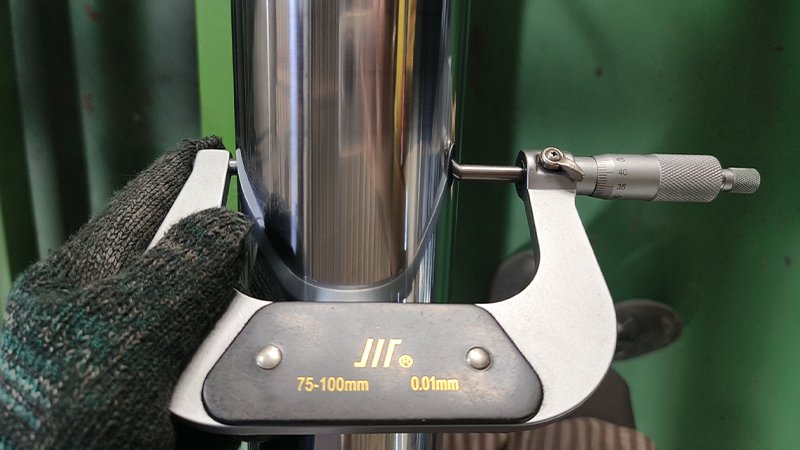
European OEM buyers should define material, diameter, tolerance, chrome thickness, surface roughness and straightness in the purchasing specification.
It is also useful to discuss packaging, storage and inspection requirements before production. A technically correct rod can still be damaged if it is not adequately protected during transportation or handling.
Corrosion Protection Starts Before Installation
A reliable chrome plated rod is not created by coating alone. Material selection, surface preparation, chrome plating, grinding, polishing, inspection, packaging and storage all influence the condition of the component when it reaches the customer.
For long-term OEM supply, controlling the complete process provides a more reliable approach than focusing on one specification such as chrome thickness.
Frequently Asked Questions
Does chrome plating prevent all corrosion?
No. It provides corrosion protection, but environmental exposure, coating condition, handling and storage can still affect corrosion performance.
What chrome thickness is available?
The available specification lists 20–100 μm.
What surface roughness is available?
The available specification lists Ra ≤0.2 μm.
Are stainless steel rods available?
The available material information includes SS430, SS431, 304, 316 and 2205, subject to the required specification.
Are chrome plated rods suitable for outdoor hydraulic equipment?
Yes. They are widely used in hydraulic applications, but the final material and coating specification should match the operating environment.
Related Products & Applications
Construction Machinery Applications
Need Technical Support?
For demanding European hydraulic applications, chrome plated rod corrosion should be considered from material selection through coating, finishing, handling and storage.
EAST AI supplies chrome plated rod solutions for OEM hydraulic cylinder manufacturers with controlled dimensions, surface finish, coating and material requirements.