
Surface Finish Is a Working Requirement
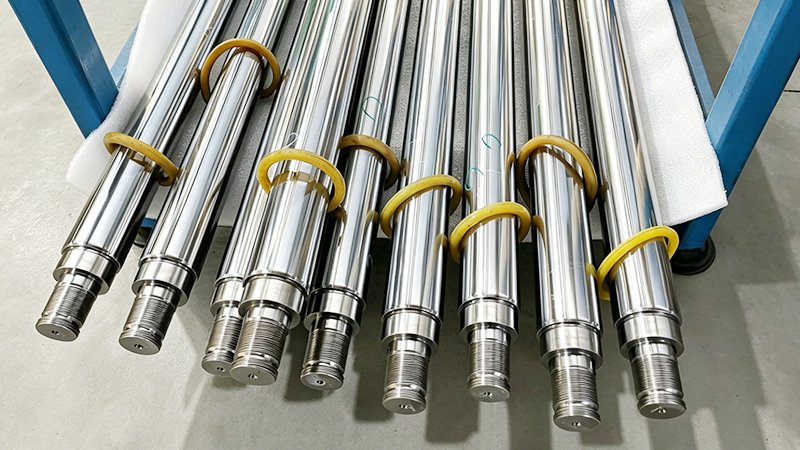
The external surface of a chrome plated rod is not simply a cosmetic feature. In a hydraulic cylinder, the piston rod repeatedly moves through the rod seal and guide, so the finished surface becomes part of the cylinder’s working interface.
For European OEM manufacturers, surface finish should therefore be treated as a measurable engineering requirement. Chrome thickness, surface roughness, grinding quality and final dimensional accuracy all need to be considered together.
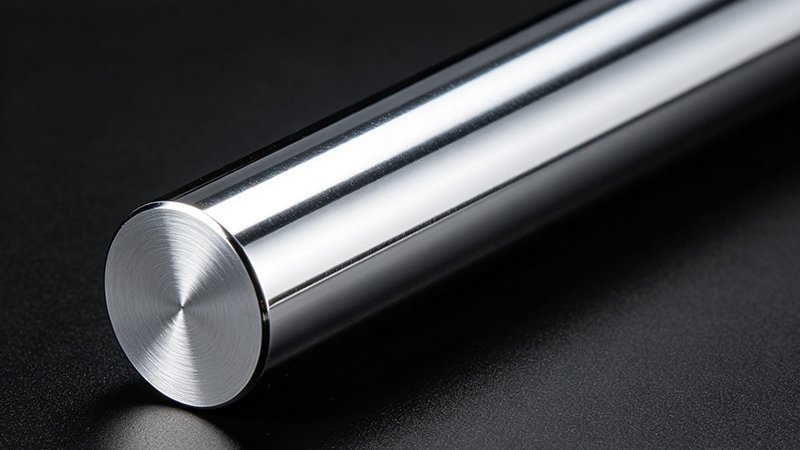
What Does Surface Finish Mean?
Surface finish describes the condition of the rod’s working surface after the relevant manufacturing and finishing processes. Surface roughness is one measurable characteristic used to describe this condition.
The available product specification lists a surface roughness of Ra ≤0.2 μm for chrome plated rods. The final requirement for a specific cylinder should still be confirmed against the customer’s drawing and sealing system.
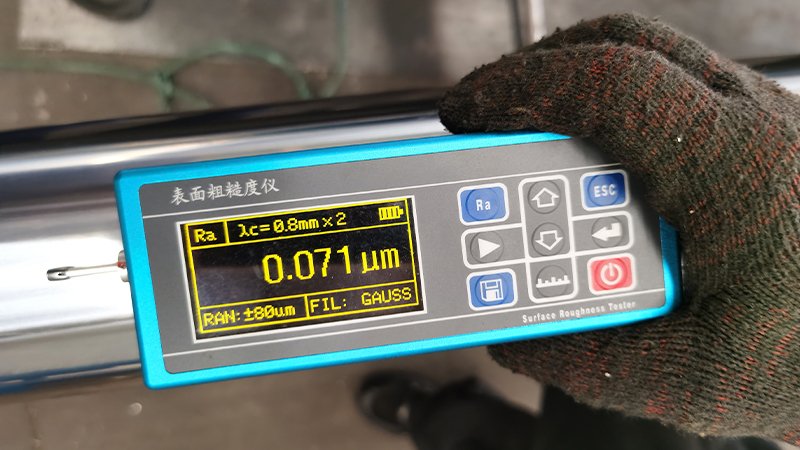
Why the Rod Seal Needs a Controlled Surface
The rod seal must maintain contact with the piston rod while allowing repeated extension and retraction. The surface condition of the rod therefore influences the mechanical relationship between the rod and sealing element.
An inappropriate surface can increase friction or affect seal behavior, while a properly controlled surface provides a more predictable working interface. This is why a finished hydraulic piston rod should be evaluated by measured surface characteristics rather than visual appearance alone.
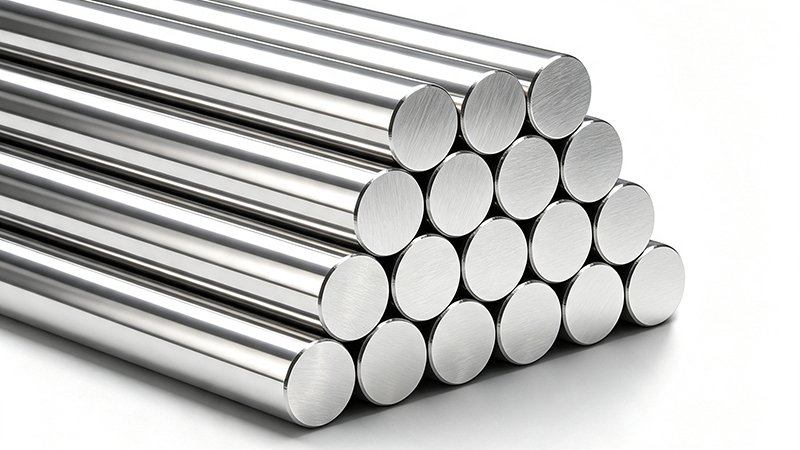
Chrome Thickness and Surface Finish Are Different
Chrome thickness describes the amount of chrome deposited on the rod, while surface roughness describes the condition of the finished external surface. They are related through the manufacturing process but are not the same specification.
The available chrome thickness range is 20–100 μm. After plating, grinding and polishing may be used to achieve the required final diameter and surface condition, so the final product needs to satisfy both coating and finishing requirements.
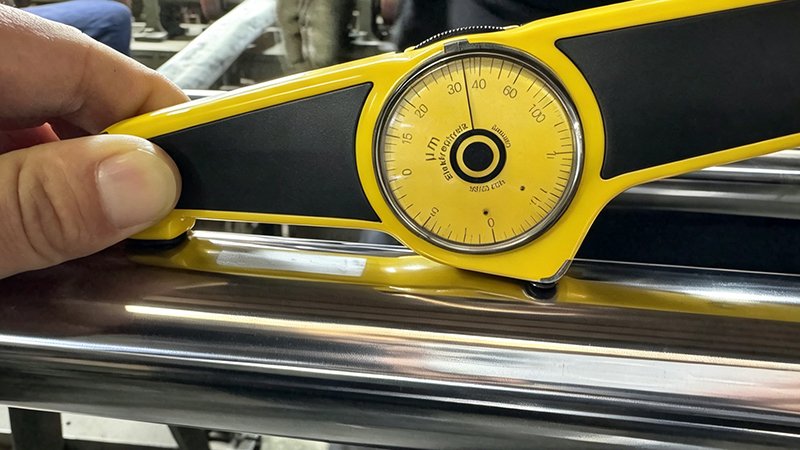
Why Grinding Is Important
Chrome plating creates the hard external layer, but the plated surface may require further finishing before the rod reaches its final dimensional condition.
Grinding can remove controlled material and establish the required diameter and geometry. For OEM applications, this process needs to be controlled carefully because excessive or uneven finishing can affect the final coating and dimensional requirements.
Why Polishing Is Important
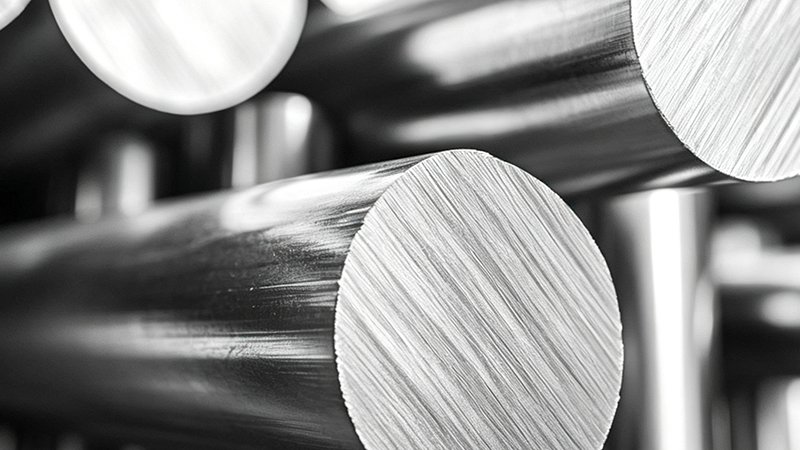
Polishing is used to refine the finished working surface after the required dimensional condition has been established. The goal is to achieve the specified surface characteristics rather than simply create a visually bright appearance.
For a chrome plated piston rod, the final surface should be considered in relation to the cylinder’s seals, guides and operating conditions.
Surface Finish and Rod Diameter
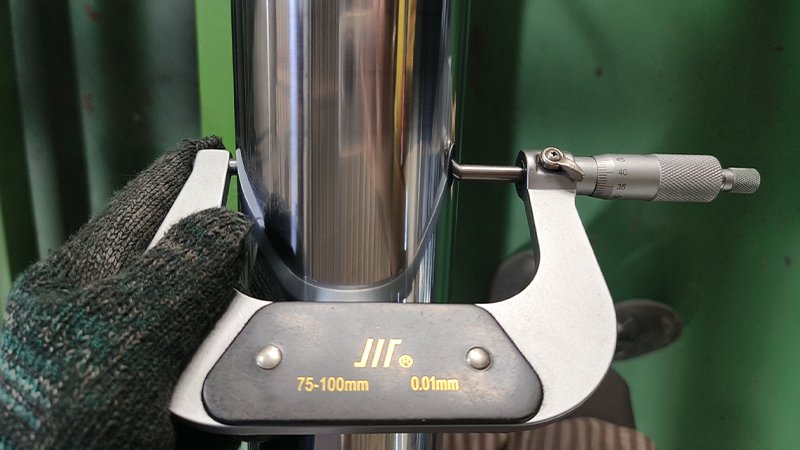
A piston rod can meet its nominal diameter while still failing to meet its required surface condition. Conversely, a rod can have an excellent surface finish while being outside the required dimensional tolerance.
Available tolerance grades include f7, f8 and g6. European OEM buyers should therefore specify dimensional tolerance and surface roughness separately when both are important to the application.
Surface Finish and Corrosion Protection
Hard chrome contributes to the rod’s resistance to corrosion, but corrosion performance is influenced by the complete coating and surface system. Coating thickness, coating quality, handling, storage and operating environment can all affect the final result.
This is particularly relevant for mobile and outdoor hydraulic equipment, where piston rods may be exposed to water, dirt and changing environmental conditions.
Different Applications Have Different Requirements
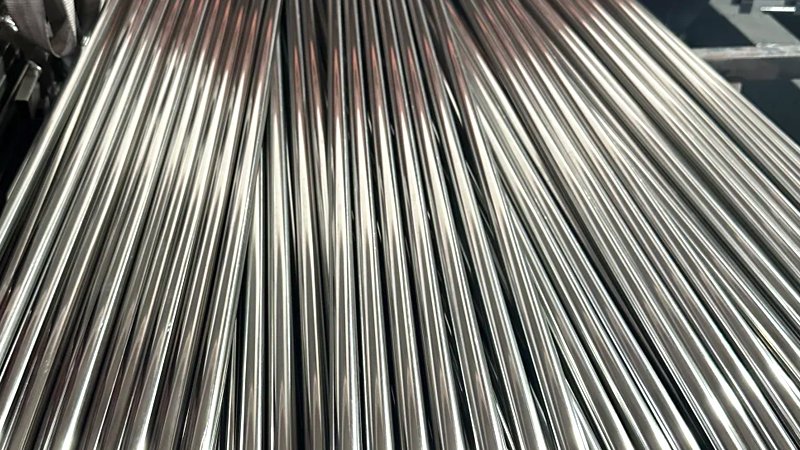
An industrial hydraulic cylinder operating inside a factory can have a different rod surface requirement from a construction cylinder exposed to mud, moisture and heavy mechanical loads.
The appropriate chrome plated rod specification should therefore be based on the complete application. Diameter, material, coating, roughness and geometry should be evaluated together rather than selecting one universal specification.
Why Consistency Matters to European OEMs
For a prototype, surface variation may be manageable. For repeated OEM production, consistent surface condition becomes much more important because every rod must work within the same cylinder design.
Stable finishing processes can help reduce variation during assembly and incoming inspection. This is one reason European buyers should evaluate supplier process capability as well as the nominal product specification.
What Should Be Included in a Purchase Specification?
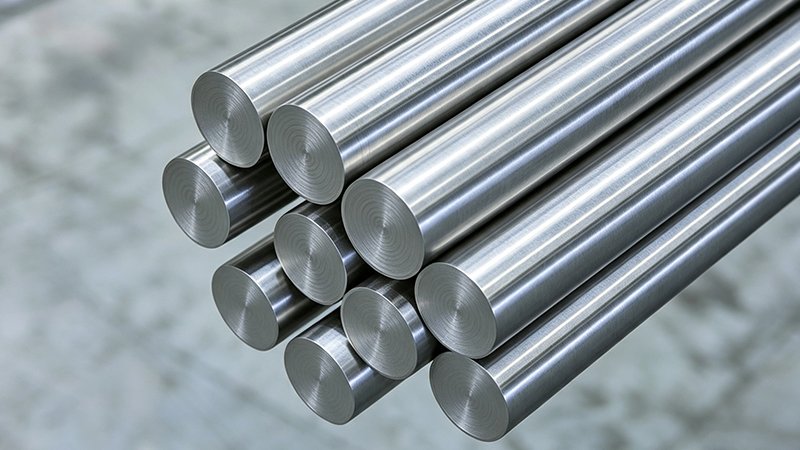
A detailed purchase specification can include material, diameter, tolerance, length, chrome thickness, surface roughness, straightness and quantity.
When available, the customer’s technical drawing should be supplied with the inquiry. This allows the supplier to understand the relationship between the rod’s dimensions and the complete hydraulic cylinder design.
A Finished Rod Is a Complete Manufacturing Result
A chrome plated rod should not be evaluated only by the quality of the chrome plating. The finished component results from material preparation, machining, plating, grinding, polishing and inspection.
For European OEM buyers, this means supplier evaluation should focus on the complete manufacturing capability. A supplier capable of controlling the full process can provide a more predictable finished component.
Frequently Asked Questions
What surface roughness is available?
The available specification lists Ra ≤0.2 μm.
Is surface roughness the same as chrome thickness?
No. Chrome thickness measures the plated layer, while surface roughness describes the finished working surface.
Does the rod need grinding after chrome plating?
Depending on the required finished dimensions and surface condition, grinding and polishing can be part of the post-plating finishing process.
Why is surface finish important?
Because the piston rod repeatedly interacts with the cylinder’s seals and guides during operation.
What chrome thickness is available?
The available range is 20–100 μm.
Related Products & Applications
Industrial Hydraulic Applications
Agricultural Hydraulic Applications
Need Technical Support?
The surface of a chrome plated rod is a functional part of the hydraulic cylinder, not simply a visual characteristic.
EAST AI supplies chrome plated rod solutions for European and international OEM customers with controlled dimensions, chrome thickness, surface roughness and geometric requirements.